
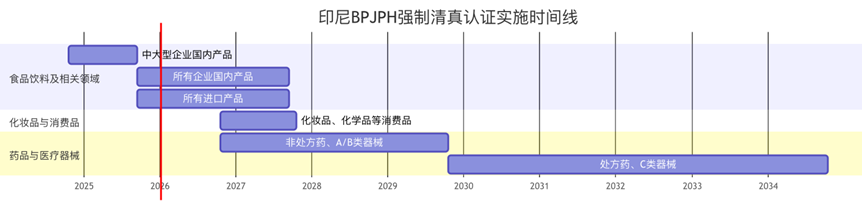
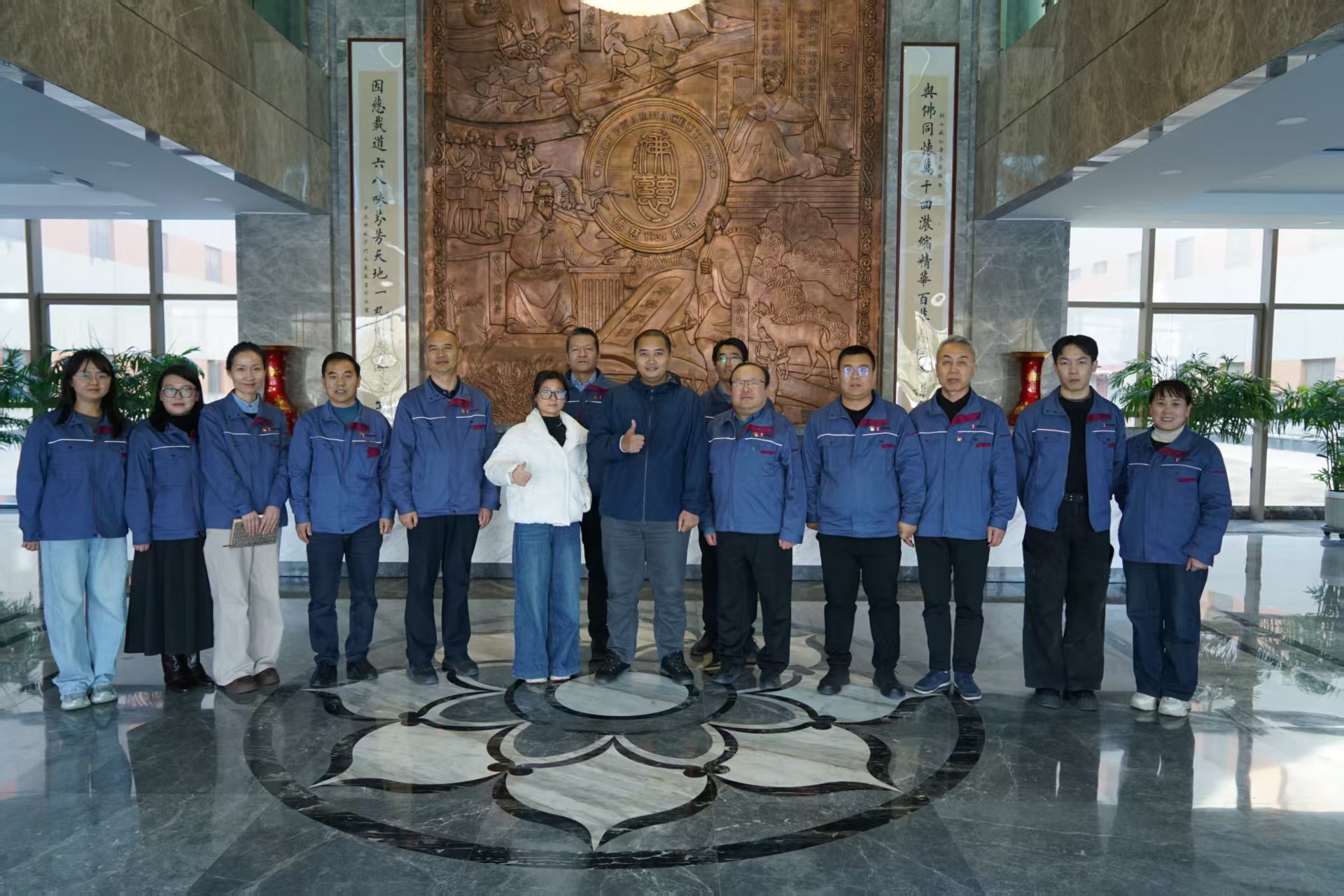
Professional empowerment, compliant going-global! SINOQUAL helps Lanzhou Foci Pharmaceutical win Indonesia's BPJPH Halal certification. According to the State of the Global Islamic Economy Report, the Halal industry is no longer a flash in the pan, but a demand involving USD 3 trillion in global value. Indonesia has the world's largest Halal consumer population. Under its 2014 Halal Product Assurance Law (Law No. 33) and 2024 Government Regulation No. 42, everything from food and beverages to cosmetics and even pharmaceuticals must pass Halal certification, with clearly defined certification dates. Without this certificate, products face the risk of delisting and sales bans, heavy fines, and even criminal liability.
Traditional Chinese medicine (TCM), as the essence of China's traditional culture, has an "inherent contradiction" between its industry characteristics and the norms of Halal certification:
Process conflict: Yellow rice wine (huangjiu) is commonly used as a "guiding agent" in processing, while alcoholic beverages are explicitly prohibited in Halal certification;
Ingredient conflict: in pursuit of efficacy such as promoting blood circulation and nourishment, TCM formulas often contain various animal-derived ingredients, such as donkey-hide gelatin (ejiao, from donkey skin), deer antler velvet, and animal bones. These are all non-Halal sources and must be completely removed or replaced;
Production reality: the factory has a single TCM-pill production line, with Halal and non-Halal products produced on the same line, making zone isolation impossible, leaving no place to even begin rectification.
Ingredient conflict, process conflict, and a single production line - these were also the core obstacles that made Lanzhou Foci's certification journey take about two years.
Facing these Halal-certification "roadblocks", Lanzhou Foci did not choose partial patching, but under the on-site guidance of our company's technical director, adopted a costly but most thorough solution: physical isolation of production lines - moving all products involving the yellow-rice-wine process and forbidden ingredients such as non-Halal animal components to other plant areas. This is the fundamental prerequisite for eliminating cross-contamination and meeting certification requirements; although it took more than a year, it also built a solid foundation for passing the on-site certification audit in one go. At the same time, within the original production space, an independent production system dedicated to Halal products was rebuilt, including production-line planning, physical warehouse isolation, and the setup of the entire logistics system, ensuring the full chain from material feeding to factory shipment conforms to the "purity" of Halal certification.
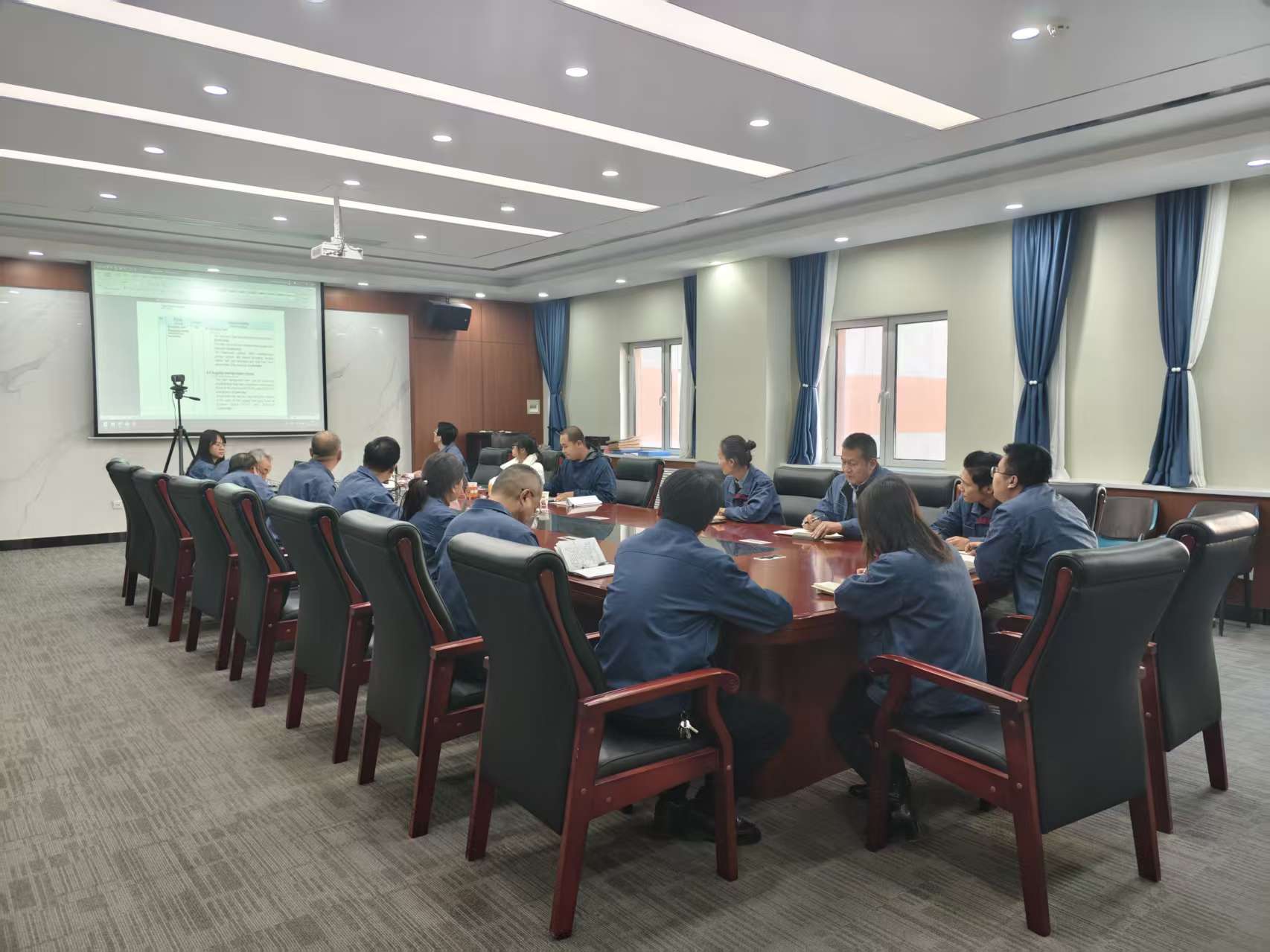
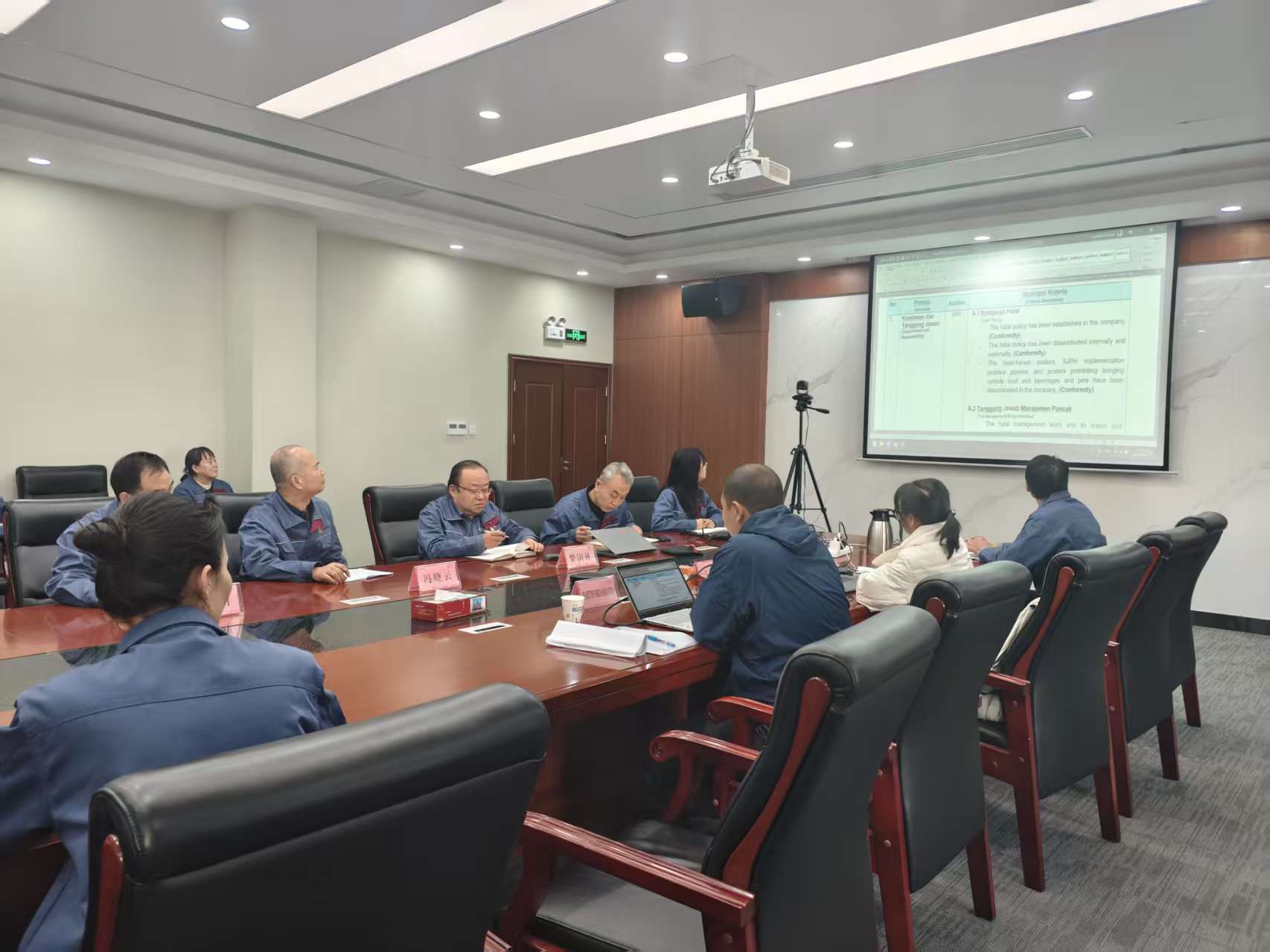
Lanzhou Foci's firmness and persistence coincide with SINOQUAL's twenty years of dedication to the field of international compliant going-global. As a professional Halal certification service platform, SINOQUAL provides all-around support in document-completeness checks, Halal audits, Halal Assurance System (HAS) preparation, and synchronization with the latest regulations, because a Halal certification certificate is by no means a simple piece of paper - it is a strict "filter" covering the entire industry chain, encompassing all raw-material suppliers and every link of procurement, storage, production, packaging, and transport. Even after obtaining certification, the factory must still maintain the operation of the Halal Assurance System and undergo annual supervisory audits to ensure continued compliance.
As Indonesia's 2014 Halal Product Assurance Law and 2024 Government Regulation No. 42 gradually take effect, the Halal certification threshold for pharmaceutical products entering the Indonesian market is comprehensively tightening, and October 17, 2026 will become the final deadline for mandatory certification of categories such as traditional medicines and health products. Lanzhou Foci's case also provides a clear roadmap for TCM enterprises planning to enter Indonesia and other Halal markets. The average certification cycle for a whole Halal certification project takes about 2.5 to 3 months, but once fundamental rectification is involved, enterprises must lay out plans with foresight, act immediately, and work backward from Indonesia's policy deadlines to make ample preparations in advance.
SINOQUAL also reminds relevant enterprises again that TCM ingredients may involve certain insects, such as blister beetle (banmao), earthworm (dilong), scorpion, centipede, and leech; animal-derived ingredients, such as bezoar (niuhuang), deer antler velvet, dragon bone (longgu), donkey-hide gelatin (ejiao), and donkey skin; as well as alcohols, such as baijiu and yellow rice wine - all of which are Halal-forbidden ingredients. The difficulty of Lanzhou Foci's certification journey reveals the "standards gap" that China's TCM enterprises must cross in their internationalization process. This is not only a technical transformation, but also a profound upgrade from philosophy to management system. For enterprises aspiring to go global, the earlier they launch systematic compliance planning and lay out scientific and reasonable plans in advance, the more calmly they can grasp market opportunities and achieve sustainable development in Indonesia and the entire Halal market.


FAQ
- What Indonesia Halal certification did Lanzhou Foci Pharmaceutical obtain?
- With SINOQUAL's assistance, it successfully won Indonesia's BPJPH Halal certification, and the certification journey took about two years. The industry characteristics of TCM have an "inherent contradiction" with Halal certification norms, and Foci overcame the obstacles through solutions such as thorough physical isolation of production lines.
- What "inherent contradictions" exist when TCM seeks Halal certification?
- Three conflicts: (1) process conflict (yellow rice wine is commonly used as a "guiding agent" in processing, while alcoholic beverages are explicitly prohibited in Halal certification); (2) ingredient conflict (formulas often contain animal-derived ingredients such as donkey-hide gelatin, deer antler velvet, and animal bones, which are non-Halal sources and must be removed or replaced); (3) production reality (the factory has a single TCM-pill line with Halal and non-Halal products produced on the same line, making zone isolation impossible).
- How did Foci solve the problem of a shared production line?
- It adopted a costly but most thorough solution - physical isolation of production lines: moving all products involving the yellow-rice-wine process and forbidden ingredients such as non-Halal animal components to other plant areas to eliminate cross-contamination; at the same time rebuilding, within the original production space, an independent production system dedicated to Halal products (production-line planning, physical warehouse isolation, logistics system setup) to ensure the full chain from material feeding to factory shipment conforms to Halal "purity".
- What are the common Halal-forbidden ingredients in TCM materials?
- SINOQUAL reminds: TCM ingredients may involve insects (such as blister beetle, earthworm, scorpion, centipede, and leech), animal-derived ingredients (such as bezoar, deer antler velvet, dragon bone, donkey-hide gelatin, and donkey skin), and alcohols (such as baijiu and yellow rice wine), all of which are Halal-forbidden ingredients. For pharmaceutical products entering the Indonesian market, October 17, 2026 is the final deadline for mandatory certification of categories such as traditional medicines and health products.