
In today's diverse culture, vegetarianism has long spread from "food" alone into every aspect of our lives. As calls to address environmental pollution and protect animals grow ever louder, kind consumption and ethical consumption are becoming a global trend, and vegan cosmetics are also growing rapidly.
In South Korea, "vegan" cosmetics have also quietly extended from skincare into the vast color-cosmetics market, winning the favor of more and more makeup manufacturers, distributors and consumers.
Market research shows that even consumers who are not committed vegetarians will, when buying cosmetics, carefully confirm whether the product's ingredients and raw materials contain animal-derived components and whether animal testing was conducted - and consumers are even more sensitive about the skincare products that come into direct contact with them.
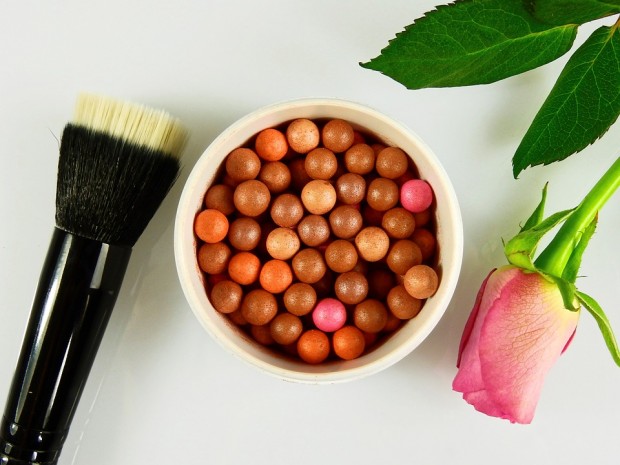
We can clearly define what is vegetarian in the food field, but what about vegan cosmetics? In addition to the usual criteria of containing no animal-derived ingredients and undergoing no animal testing, using no milk, honey or beeswax and using only plant-based raw materials is also one of the keys to certifying vegan cosmetics.
According to the US market research firm Grand View Research, the global vegan cosmetics market is growing at an average annual rate of over 6% and is expected to reach USD 20.8 billion by 2025.
In line with this trend, numerous cosmetics brands have successively launched their own vegan cosmetics. These market favorites have either passed the vegan certification of the Korea Vegan Certification Institute, or passed the strict standards and reviews of the EU Vegetarian Society's V-Label, France's EVE, the Australian Vegan society and others.
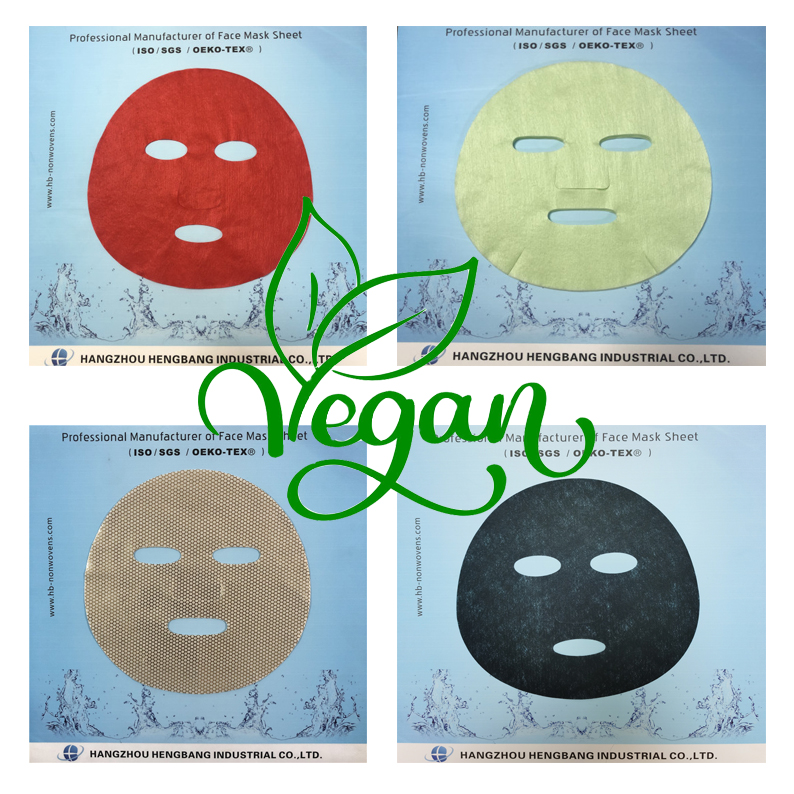
Sheet masks from Hangzhou Hengbang Industrial Co., Ltd. obtained Vegan certification at SINOQUAL this year.
The bottleneck in vegan certification for color cosmetics has also been broken through, driven by continuous research and the market. The number of companies emphasizing vegan makeup is also growing, and to capture the market they are launching their own vegan makeup products one after another.
Ten makeup products from Kolmar Korea - including cushion compacts, sunscreen, pressed powder and mascara - recently obtained Vegan certification. The company plans to launch "customized" products in the future according to customer needs and trends, and to actively address both the domestic and global markets.
Dear Dahlia is a brand that excludes animal testing and animal-derived raw materials in pursuit of ethical consumption. A highly representative vegan beauty brand, it has launched various makeup products containing dahlia extract and ECOCERT organic-certified raw materials, raising its profile.
UNLEASHIA has fully launched a PETA-certified "Vegan & Cruelty Free" makeup brand that uses no animal-derived raw materials and opposes animal testing. It is highly popular in markets such as China, Japan, Taiwan (China), the United States and the Middle East, and recently became available at CHICOR as well.
At an information-exchange session jointly held by the Korea Beauty Industry Trade Association and the Cosmetics Industry ICC of Daejeon University, Hwang Yeong-hui, head of the Vegan Certification Institute, stated through a seminar titled "Understanding Vegan Certification": "The reasons for pursuing vegetarianism are animal welfare, environmental protection, health and wellness, so vegetarianism is rising from a subculture to a mainstream culture, and the vegan market is growing explosively, with cosmetics and food at its core."
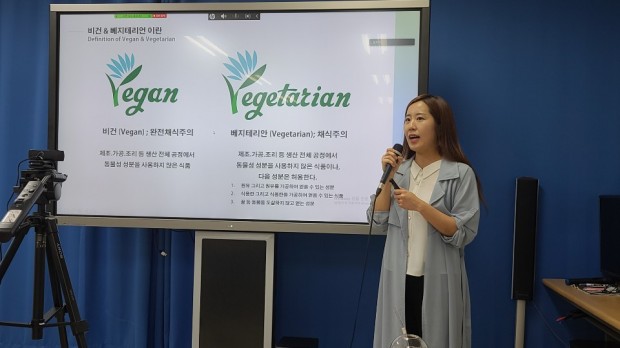
It can be foreseen that as the world's interest in the environment intensifies and awareness of veganism continues to grow, vegan cosmetics will surely claim a place in future trends! To open up the global market, companies should fully consider the matter of vegan certification.
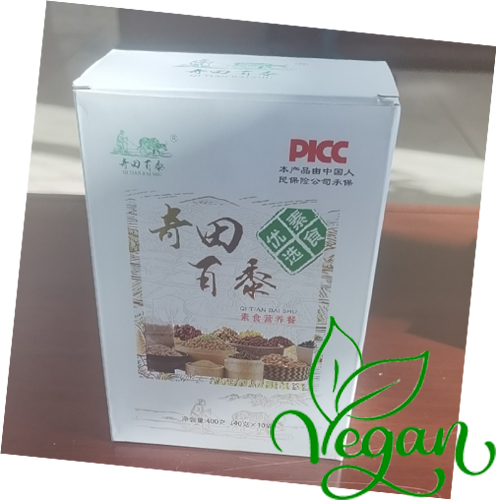
The meal-replacement powder (ready-to-eat grain powder) product line from Heilongjiang Baigu Food Co., Ltd. obtained Vegan certification at SINOQUAL.
As one of the first organizations in China to focus on promoting and operating international Vegan certification, SINOQUAL has helped some domestic food, textile and other export companies obtain internationally renowned Vegan certifications in Europe and Australia. At the same time, SINOQUAL is also in talks with leading domestic health-industry companies on a strategic cooperation plan for Vegan China. As a people with abundant vegetarian ingredients and traditional folk vegetarian dietary habits, we believe that in the future more landmark Chinese vegan brands will be born, go abroad and reach the world.