
Despite the landmark passage of the 1938 Federal Food, Drug, and Cosmetic Act...
What is the difference between alcohol, khammer, and non-khammer?
2026-02-05
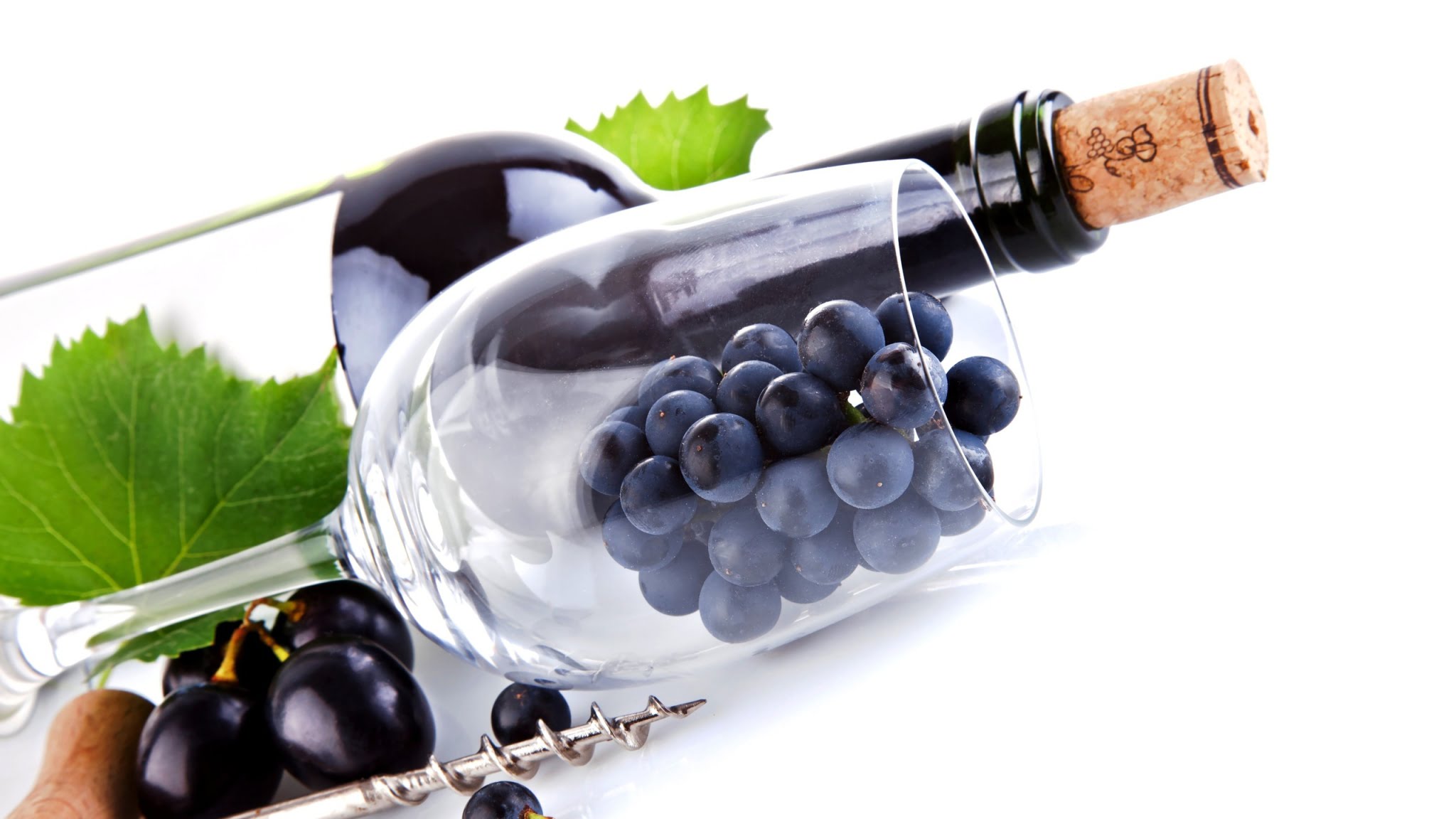
Khamr, or alcoholic beverages, refers to drinks made from fermented grapes, or drinks that are addictive and intoxicating. Alcohol is a byproduct of the fermentation process. In Islamic law, khamr is a forbidden drink, and consuming it constitutes a serious sin. So, what is the difference between alcohol derived from khamr and alcohol not derived from khamr? Can alcoholic beverages obtain BPJPH Halal certification through LPPOM MUI?
Currently, some members of the public who only understand "alcohol" may confuse it with "alcoholic beverages (khamr)," believing that alcohol is a liquid that will make you drunk. Meanwhile, industry professionals usually refer to ethanol when they talk about alcohol. Ethanol is widely used as a solvent, disinfectant, or auxiliary material in production processes and can be used in the manufacture of food, pharmaceuticals, and cosmetics. The prerequisite is that ethanol must not endanger public health.
From a chemical perspective, alcohol is a class of compounds containing hydroxyl groups (R–OH), and it is also a category of organic compounds. Ethanol is one compound in the alcohol family, which also includes methanol, propanol, butanol, etc. However, in everyday life, the "alcohol" that people most often encounter usually refers to ethanol.
This is because only ethanol can be used as a basic raw material in the alcoholic beverage and food industries; other alcohols such as methanol and butanol cannot be used due to their toxicity. In terms of production processes, ethanol can be derived from petrochemical-based chemical synthesis or as a product of the fermentation industry.
Ethanol intended for human consumption is generally not produced through chemical synthesis because it may generate toxic byproducts, and its flavor is not as complex as that of fermented ethanol. Fermented ethanol typically uses carbohydrate sources (such as sugar, starch, fruit juice/fruit extract, etc.) as raw materials, reacting with microorganisms under anaerobic conditions to convert carbohydrates into ethanol.
So, what is the difference between khamr ethanol and non-khamr ethanol? According to Linda Ayuningtiyas, S.TP., auditor of LPPOM MUI Halal, the difference lies in the ethanol production process.PurposeIf the purpose of production is to manufacture alcoholic beverages, it is classified as khamr; if fermentation is not for the purpose of producing alcoholic beverages, it is not classified as khamr.
According to Law No. 10 of 2018 issued by the Indonesian Ulima Committee (MUI) (regarding food and beverage products containing alcohol/ethanol), fermented foods containing alcohol can be Halal if the following conditions are met: provided that no other non-Halal or unclean (najis) ingredients are added during the production process.
Linda stated, "Foods containing alcohol can apply for Halal certification as long as the alcohol source is not from the alcohol industry or the beverage industry. The production process must not be contaminated by non-Halal or unclean ingredients, and the alcohol content must not be harmful to health. In daily life, we often see foods containing alcohol, such as tapai (fermented cassava/glutinous rice, etc.), gochujang (Korean chili paste), topokki (stir-fried rice cakes/spicy stir-fried rice cakes), and ripe fruits."
She further emphasized the boundaries of use for fermented or alcoholic products with several examples: for instance, if a dish is mixed with alcoholic products such as angciu, mirin, and sake, it is still considered non-Halal because the dish has been contaminated by non-Halal alcoholic products. This differs from soy sauce, which is produced as a cooking seasoning.
For example, although tapai is fermented and contains alcoholic byproducts, it is Halal when eaten; however, if tapai is deliberately squeezed out and drunk to get drunk, then Fatwa is considered non-Halal.
tapa(often written)tapeortapa) refers to aFermented foodsIt is a common traditional snack.raw materialThe most common iscassava tapeFermented cassava.sticky tapeFermented glutinous rice (white/black glutinous rice)practiceAfter steaming/boiling cassava or glutinous rice, add fermentation starter (locally known as...)ragi tape(A compound fermentation agent), fermented at room temperature for several days.FeaturesSweet, with a hint of alcohol, and a soft, chewy texture; fermentation produces...Small amount of ethanolIt has a sour taste, so it has a "slightly tipsy/wine-like" feel, but it is essentially a food, not an alcoholic beverage.
Meanwhile, fermented beverages (excluding khamr) are allowed to contain alcohol (ethanol residue), but the content must be below 0.5%. "For fermented beverages, ethanol content testing is also mandatory to confirm the alcohol content in the product," Linda explained. Besides fermentation, ethanol in beverages can also come from "carryover," such as ethanol residue introduced during the extraction of herbal ingredients.
Furthermore, non-alcoholic beverages such as so-called "0% beer" and "non-alcoholic wine" are ineligible for Halal certification for other reasons. According to MUI Decree No. 44 of 2020, the use of product names similar to non-Halal products is prohibited. This is especially true when the product's sensory characteristics (taste, aroma) are similar to those of an actual non-Halal product. Obtaining BPJPH Halal certification may require a name change and the use of Halal ingredients.