
SINOQUAL VEGAN Certification Cases: Textiles and Cosmetics Materials
Vegan certification is no longer limited to food products. In 2022, SINOQUAL assisted multiple enterprises in the textiles and cosmetics materials sectors in obtaining international VEGAN certification, opening access to the growing ethical consumer market in Europe and beyond.
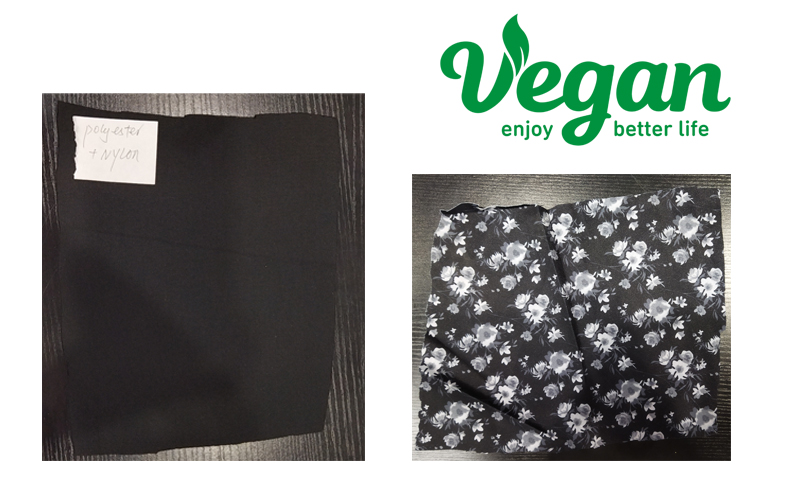
Case 1: Weiqi obtained Vegan certification for its nonwoven fabric products used in hygiene and personal care applications. Synthetic fiber-based nonwovens are inherently free of animal-derived components.
Case 2: Mianfu obtained Vegan certification for its facial mask base fabrics, enabling cosmetics brands to use certified Vegan substrates in their sheet mask products.
Case 3: Junjia obtained Vegan certification for its cosmetic packaging materials, ensuring the entire product supply chain from contents to packaging meets Vegan standards.
These cases illustrate a key trend: international cosmetics brands increasingly require Vegan certification not just for the product formulation itself, but for all materials in the supply chain including substrates, packaging, and components.
SINOQUAL provides comprehensive Vegan certification services across all product categories. Contact us for guidance on whether your products qualify for Vegan certification.
FAQ
- Which textile and cosmetics material enterprises obtained Vegan certification?
- Three enterprises: Weiqi (nonwoven fabrics for hygiene/personal care), Mianfu (facial mask base fabrics for cosmetics), and Junjia (cosmetic packaging materials). All obtained international VEGAN certification with SINOQUAL assistance.
- Why do material suppliers need Vegan certification?
- International cosmetics brands increasingly require Vegan certification for all materials in the supply chain, not just product formulations. Substrates, packaging, and components all need to demonstrate Vegan compliance to support end-product Vegan claims.