
Hemp, once listed by the UN drug control conventions as one of the three major drugs alongside heroin and cocaine, has now been stripped of its toxicity to become a widely applied and highly competitive new industry in China. Its applications span at least a dozen fields, including food and health products, animal products, daily necessities, cosmetics, consumer electronics, apparel, non-woven fabrics, composite materials, and biofuels.
What is industrial hemp
What is industrial hemp, and what is its relationship with the drug cannabis? First, hemp is an annual herbaceous plant; when mature, three substances can be extracted from its stems and leaves:

1. Tetrahydrocannabinol, abbreviated THC. THC has an active effect on human mind and physiology—what we commonly call the intoxicating effect of smoking it. This is the so-called drug cannabis, also known as recreational cannabis.
2. Cannabigerol, abbreviated CBG. Present in extremely trace amounts in the hemp plant, it also has highly attractive medicinal value; although not mainstream, it is gradually gaining attention.
3. Cannabidiol, abbreviated CBD. This is what we call industrial hemp. Industrial hemp is an annual herbaceous plant of the genus Cannabis in the family Cannabaceae, referring to hemp with a THC content below 0.3%. In China there is a rigid criterion: regardless of the CBD content in industrial hemp, the THC content must not exceed three parts per thousand (0.3%). Both CBD raw materials and CBD finished products must strictly comply with this regulation. Therefore, the industrial hemp permitted for legal cultivation in China is all low-toxicity varieties.

CBD has pain-relieving and anti-inflammatory effects and is currently widely used in the pharmaceutical field. In recent years, beauty and skincare products containing CBD have also gradually entered the public eye; China's cosmetic ingredient catalog has clearly designated hemp leaf extract as a permitted cosmetic test extract. Abroad, CBD has even broader scope: it can be added to chocolate, cakes, beer, health products, tea, mineral water and other foods.

In the conventions of international Halal Certification, such as Pakistan's domestic standard 'Jamia Dar ul uloom Karachi No. 93/2022,' a certain amount of hemp is allowed in medicines that do not cause intoxication. Under the terms of the '4.1.2 PS 5442-2019' standard, toxic and intoxicating plants are considered Halal Food if, when used, they are within the scientifically permitted limits deemed to be for medical and/or therapeutic use. Hemp appears very sensitive, even taboo on the surface, but based on the above, this is in fact not so. However, if you want to certify industrial hemp, be sure to note the following two points:
1. The correct English name for industrial hemp products is 'Hemp leaf,' not 'Cannabis sativa leaf.' If an enterprise wants to certify industrial hemp, it must pay attention to the standardized use of the product name;

2. Industrial hemp products can only be used for pharmaceuticals, daily necessities and cosmetics, and cannot be food. Therefore, the Halal Certificate generally notes that the certified industrial hemp product is limited to use in the pharmaceutical, daily-necessities and cosmetic industries.
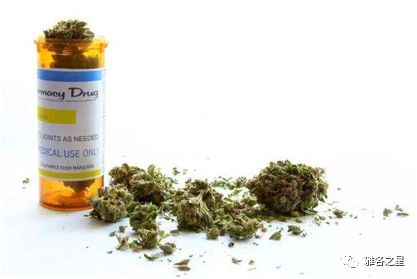

Today, people no longer 'turn pale at the mention of hemp.' They have a deeper understanding of industrial hemp and have even learned to use it, with strong government support and cooperation. To date, Yunnan Province and Heilongjiang Province have legally cultivated industrial hemp for several years, and it is now entering a golden development period.

An enterprise that just obtained an international Halal Certificate through our company is a high-tech enterprise legally established in Yunnan, China, specializing in the production of industrial hemp plant extracts. With approval and permits from the Yunnan provincial government and the Public Security Department, it invested in and built a large-scale industrial hemp bio-extraction and separation base in Kunming, passed acceptance by the industry's competent authority, the Yunnan Provincial Narcotics Control Bureau, and obtained an 'Industrial Hemp Processing License.'
The base was built in strict accordance with GMP standards, using alcohol-soluble fluid crystallization technology to extract and separate from industrial hemp the non-psychoactive component cannabidiol (CBD), which is positively significant and far-reaching for the health industry. Based on uses in the pharmaceutical and beauty industries, after successfully obtaining the Halal certificate, the enterprise effectively filled the gap in this market demand area and gradually emerged in the international Halal market along the Belt and Road.