
As the starting point of the halal supply chain, ingredient suppliers play an important role in keeping a product's halal status clearly identifiable during certification. Indonesia's halal product assurance body (LPPOM) stresses that well-regulated management at the ingredient-supplier level is the foundation of halal traceability and compliance — especially important for the micro, small and medium enterprises (MSMEs) that rely on these ingredients. Complete documentation, clear zoning and segregation, and transparent disclosure are core to maintaining halal compliance, and only thus can ingredient suppliers become a front line for strengthening the halal ecosystem and consumer trust.
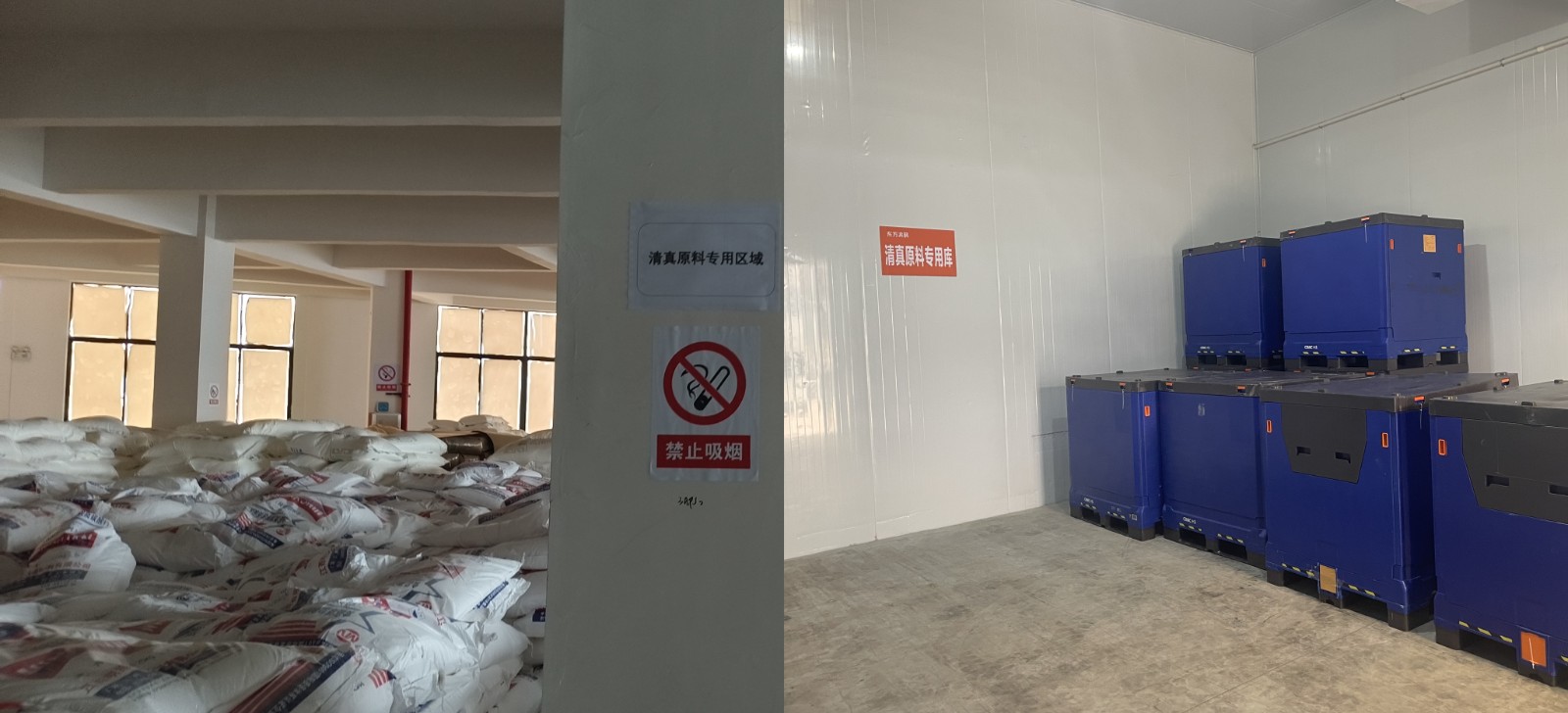
The halal supply chain still faces many challenges. One is the risk of contamination by non-halal ingredients in the distribution and storage stages due to a lack of strict separation. Practices such as storing materials together in a warehouse, using the same transport vehicle without following standard cleaning procedures, and unclear labeling can all create the risk of halal-certification non-compliance.
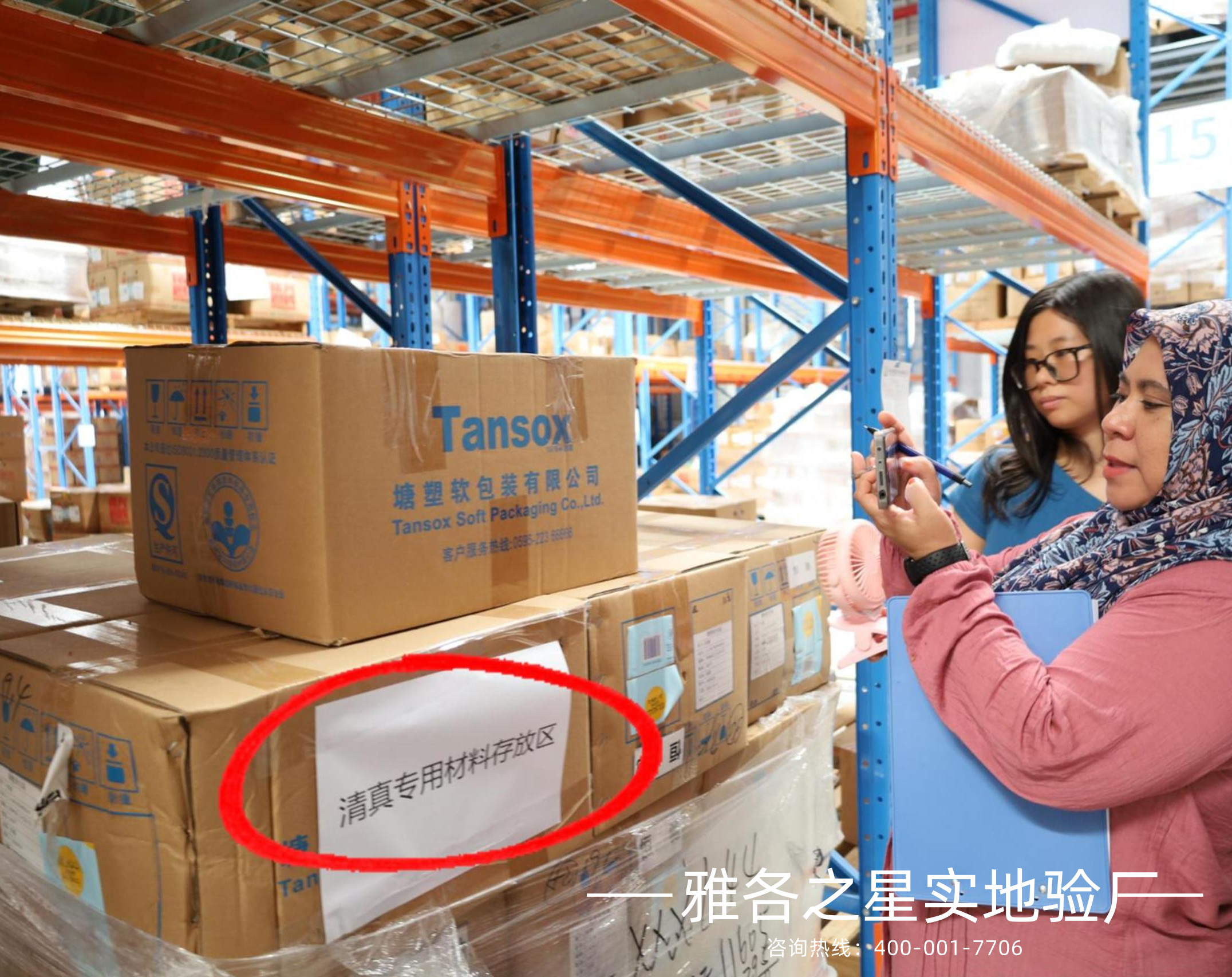
Ingredient suppliers have a strategic position in the halal ecosystem, which is especially important if they are one of the main sources for enterprises applying for or planning to apply for halal certification. If the halal status of the ingredients an enterprise procures cannot be clearly traced, its certification process is very likely to be delayed. Managing halal ingredient suppliers therefore deserves special attention.
Ade Suherman, S.Si., a halal auditor at a Halal Inspection Agency (LPH) under LPPOM, said that whether the operators of ingredient suppliers have the ability to identify and manage materials is a key factor in maintaining halal compliance across the whole supply chain. The first thing to prioritize is classifying materials or products into three types: halal materials with solid evidence such as a halal certificate; strict segregation of the halal products sold from non-halal products; and further verification of materials or products whose halal status is unclear.
Ade explained: "This classification ability requires operators to be familiar with halal certificates, ingredient composition and supporting documents. In practice, many materials are sold in repackaged, small-package or even unlabeled forms, and their source is hard to trace, which often poses a challenge."
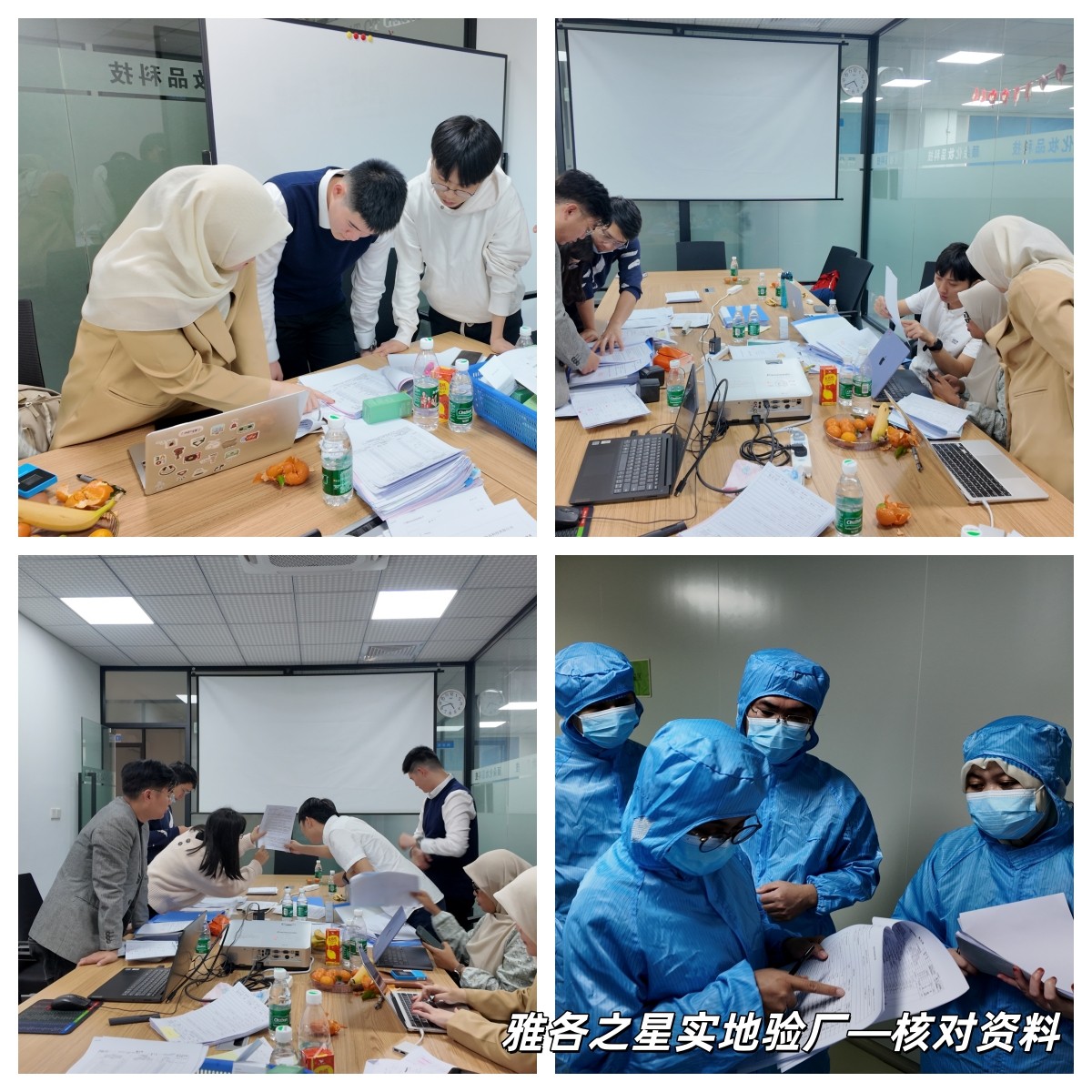
In addition, business operators' halal literacy is still insufficient, with limited awareness of the importance of supporting materials such as ingredient halal certificates, technical specification sheets and traceability documents. Bodies such as the Halal Product Assurance Agency (BPJPH) stress that the halal assurance system must be built comprehensively from upstream to downstream.
Another challenge lies in the consistency of suppliers updating certification documents and providing transparent ingredient composition, which is especially prominent for imported materials or materials with technical names containing key ingredients. If ingredient suppliers lack strong oversight and commitment, non-compliance risks may delay an enterprise's halal-certification process, or even lead to a product's halal status being revoked.
Ade added: "Micro, small and medium enterprise operators often find it hard to request halal documents from suppliers, to verify the authenticity of the halal mark on packaging, and to trace relabeled or repackaged materials. Therefore, educating ingredient suppliers on the importance of halal certification is crucial to safeguarding supply-chain compliance."
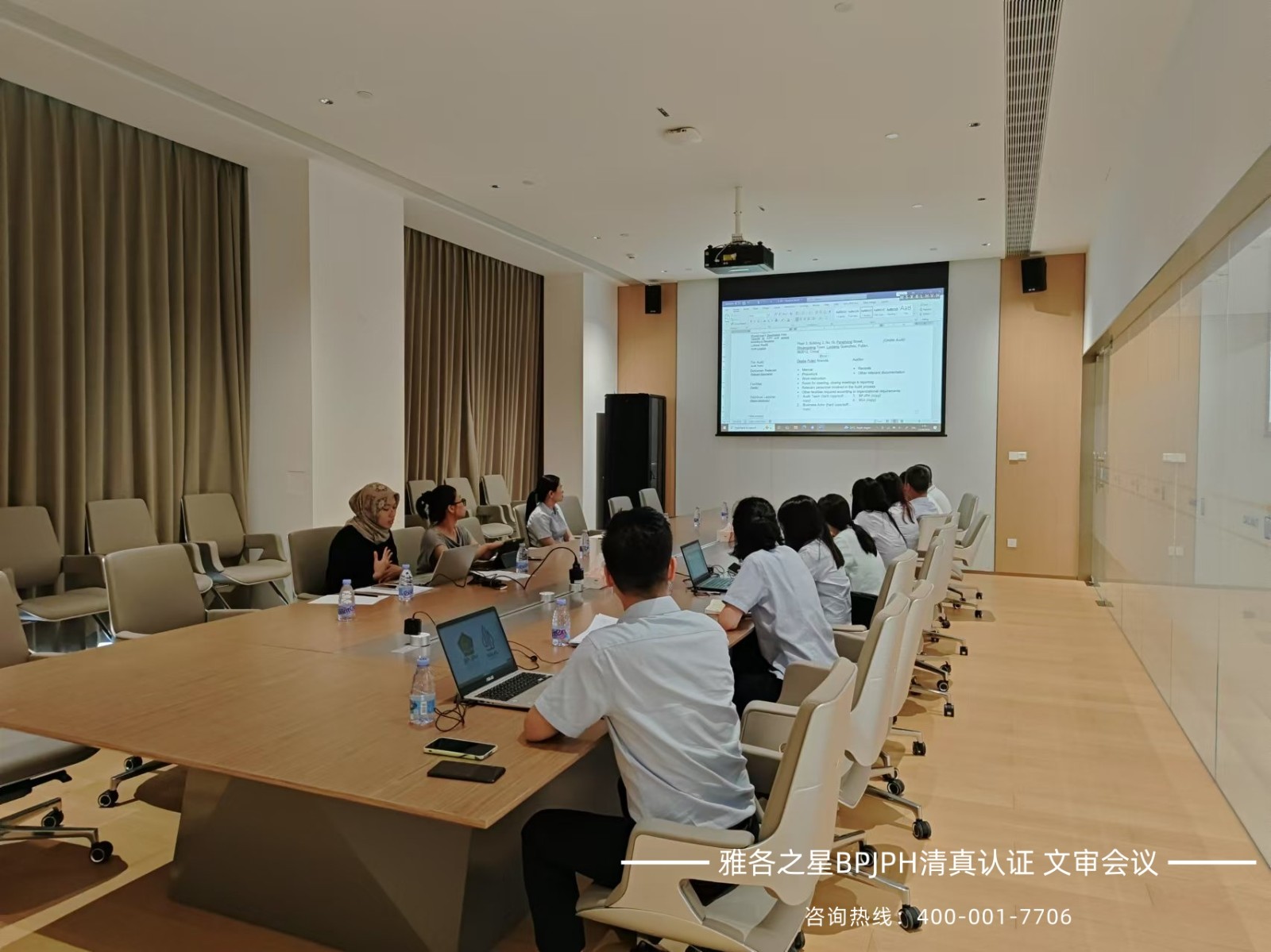
Therefore, strengthening raw-material warehouse management includes: separating storage areas, recording inventory by batch, regularly verifying documents, and conducting education for customers. Through well-regulated governance, ingredient suppliers can be not only a distribution node but also a strategic partner in maintaining the compliance and sustainability of the halal ecosystem.
He also stressed that the raw-material warehouse is one of the links most frequently encountered by enterprises pursuing halal certification. If the halal status of the materials they buy is unclear, the audit process may be delayed or even fail. This shows that ensuring the halal attributes of the raw-material warehouse will directly help accelerate an enterprise's halal certification.
A halal raw-material warehouse is not just a place of transaction, but the source gate determining the quality and halal compliance of downstream products. With strong identification ability, clear segregation measures and a commitment to material traceability, suppliers can proactively help strengthen the halal ecosystem and make it easier for enterprises to obtain certification.
To this end, the Halal Inspection Agency (LPH) under LPPOM also cooperates with government programs to provide enterprises with full-process assistance for halal certification. These measures aim to ensure the public can access halal products, while bringing a sense of safety and trust to Muslim consumers in Indonesia and worldwide.
This commitment is reflected not only in inspection services and certification assistance, but also in the continuous strengthening of halal literacy. The agency regularly conducts various education and coaching activities to help business operators better understand the importance of a systematic, documented Halal Product Assurance System (SJPH).
FAQ
- What role do halal ingredient suppliers play in the halal supply chain, and what challenges do they face?
- As the starting point of the halal supply chain, ingredient suppliers play an important role in keeping a product's halal status clearly identifiable; well-regulated management is the foundation of halal traceability and compliance, especially important for the MSMEs that rely on these ingredients. Complete documentation, clear zoning/segregation and transparent disclosure are core to maintaining halal compliance. Current challenges include: contamination risk from non-halal ingredients due to inadequate separation in distribution and storage (mixed storage, shared transport without proper cleaning, unclear labeling); insufficient halal literacy among operators and limited awareness of the importance of supporting documents such as ingredient halal certificates; and inconsistency in suppliers updating certification documents and providing transparent ingredient composition (especially for imported materials or those with technical names). LPPOM auditors stress that suppliers should classify materials into three types: halal materials with solid evidence such as a halal certificate; strict segregation of halal from non-halal products; and further verification of materials whose halal status is unclear.