
The scope of Vegan certification
Food (vegetables, nuts, noodles, bread, vegetable oils, grains, confectionery, beverages)
Textiles (clothing, bags, scarves, gloves, curtains, towels, tablecloths, blankets, non-woven fabrics)
Daily necessities (cosmetics, facial masks, shower gel, perfume, soap, shampoo)
Footwear
Certification sensitive points
Meat: livestock, poultry, fish, seafood, birds, game, wild animals, etc.
Animal fats or oils: such as lard or dairy fats, fatty acids of fish origin (such as Omega-3)
Certain flavorings: (meat, fish, cheese, butter) made based on animal fats
Gelatin, jelly
Eggs or egg products, caviar, egg lecithin
Milk, butter, cheese
Honey, beeswax
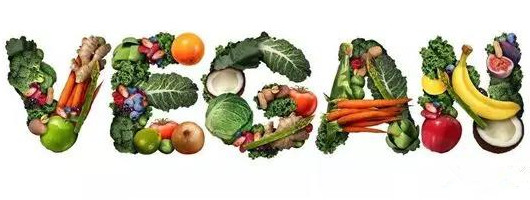
The significance of VEGAN certification
In recent years, the word Vegan has become familiar to everyone. A Vegan vegetarian refers to a person who follows this purely plant-based diet. That is, the word Vegan can be an adjective used to describe food, such as 'this curry is Vegan,' or it can be used as a noun, referring to 'a vegan.'
Currently, more and more people advocate vegetarianism. Some are vegetarian for religious reasons, some for health, and some for both, killing two birds with one stone. Vegan embodies the cultural philosophy of returning to nature, returning to health and protecting the earth's ecological environment. In the United States, 1/10 of the population, and in the UK, 1/6 of the population, have become or are considering becoming vegetarians. The quietly spreading vegetarian culture has made vegetarianism increasingly a global fashion label. Vegetarianism has become a brand-new, environmentally friendly and healthy lifestyle.
In fact, the benefits of a vegetarian diet are numerous:
1. Lowering cholesterol levels. The blood of vegetarians always contains less cholesterol than that of meat-eaters. If the cholesterol level in the blood is too high, it often causes blood vessel blockage, becoming a major cause of conditions such as high blood pressure and heart disease.
2. In line with ecological principles. The land needed to produce one pound of beef can produce ten pounds of plant-based protein.
3. Free of parasites and the like. Many parasites, germs, etc. are passed on to the human body via infected meat.
4. Respecting animals, protecting animals, and protecting the environment and humanity.