
The COVID-19 pandemic of 2020 was like a devastating disaster for the Jewish community. Fortunately, we miraculously overcame it and are adapting to the new changes the disaster brought to our lives.
One of the most important changes is that Kosher consumers are increasingly interested in buying ready-to-eat foods, since this saves the trouble of preparing and cooking at home. Products such as diced onions, horseradish mixes, herring-flavored foods and pre-cut vegetables are convenience foods that are increasingly popular on store shelves today. Many takeout departments have also expanded their offerings into traditional food areas - such as vegetable soups, mixed stir-fries and all areas with the potential to offer consumers more convenience. Soup has become increasingly popular with Kosher consumers; some stores have sold unprecedented quantities of soups and have even begun preparing heating and more service options for consumers. One customer said her family loves soup, and with just a few cans of pre-cooked vegetables, chickpeas and tomato sauce she can make a week's worth for her family. Experts predict that 2020 has taught many families how to freeze and preserve prepared foods. These convenient ready-to-eat foods, once a favorite of travelers, have now become a basic necessity for many ordinary households.

The pandemic has also brought changes to the development of the Halal industry. Experts believe that for companies hoping to internationalize their products after the pandemic, rising purchasing power and government support make Indonesia a major opportunity market.
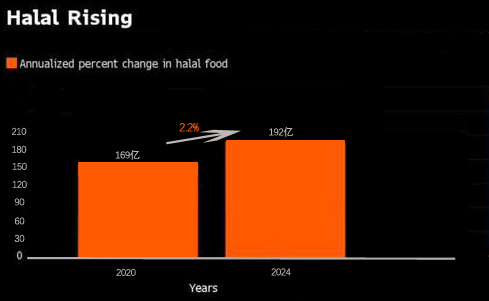
As is well known, Indonesia is an ideal choice for Halal brands seeking a large Muslim audience, because the country has the world's largest Muslim population - as high as 231 million. In addition, the country's middle-income consumers are also growing, and both purchasing power and consumers' openness to international food trends are rising - both key to foreign brands' successful internationalization. As experts say, "The internationalization opportunity for foreign brands in Indonesia is indeed very prominent, because the country's Halal food import value has reached USD 16.9 billion, and by 2024 this figure is expected to grow 2.2% to USD 19.2 billion." Riyanto Sofyan, chairman of the Halal consulting firm Amicale, said at the recent "Reimagine: Halal in Asia 2020" virtual conference: "Importantly, Indonesia's middle-class Muslim population is growing rapidly, and purchasing power has risen. These middle-class Muslims are mostly millennials (aged 25 to 35) who are tech-savvy and open to international trends, so foreign Halal foods all have the potential to succeed in Indonesia."
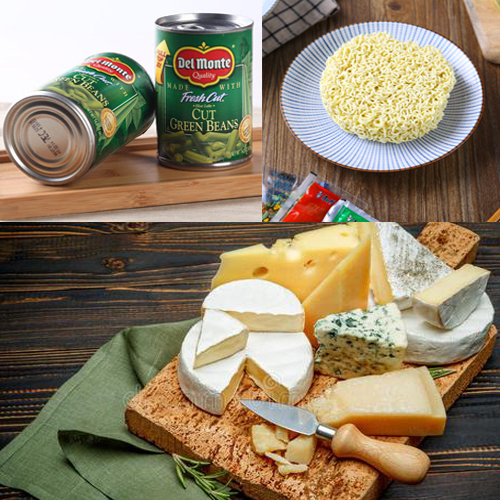
"These consumers pursue a popular lifestyle that conforms to their faith, so Halal-certified products such as instant noodles are highly sought after. This is not limited to popular Asian trends; many locals also love premium European cheeses, but it is hard to find high-quality dry cheeses such as Halal-certified ones, which is also a business opportunity."
Sofyan also noted that although the pandemic slightly affected local purchasing power, it is still growing slowly, and economists expect the economy to recover this year. "Now is a good time to consider internationalization, because all companies want to restart and grow after the pandemic, so brands should prepare now to gain an edge in the competition."
"In addition to the consumer numbers and trends favorable to entering the market, the Indonesian government also actively supports and encourages foreign investment in various fields, including catering, so foreign brands hoping to seize the opportunities of the Indonesian market will receive strong support on many fronts."
The State of the Global Islamic Economy Report 2020 noted that Indonesia's Halal food consumption reached USD 186.5 billion in 2019 and is expected to grow 2.7% to USD 209.3 billion by 2024.