
Today SINOQUAL shares an article about the rapid growth of the Halal food production industry in Canada. Outside China, Halal-certified food was so hard to come by that, like the protagonist of this article, even dining out became a major ordeal. This led him to begin his contribution to Halal food...
Finding Edmonton restaurants that serve Halal food was always a challenge for Farooq. With very limited menu options, dining out with friends and family was almost impossible.
"There were basically no Halal food options," he said. "We always flipped to the back of the menu to see what seafood or vegetarian options there were."
Farooq is not the only one struggling to find Halal-friendly Western restaurants. There are smaller mom-and-pop restaurants, but many of his family members and friends found the options still limited.
He decided he had to do something.

In 2014, he created a Twitter account, YegHalal, where he planned to post photos of Halal food or the names of restaurants selling Halal dishes. At first, only his family and friends monitored the account. But he soon found that people were eager for a Halal listing of Edmonton's Halal restaurants.
Halal is an Arabic word meaning "permitted" or "lawful" in Islam. Farooq said that for religious reasons, Muslims may only eat Halal meat.
According to the website of Alberta's Ministry of Agriculture and Forestry, Halal is "both a general term used in relation to all food, and a reference to the method of livestock slaughter consistent with Islamic rites."
Sharing Halal options
The YegHalal Twitter account has existed for four years since its creation and now gets more than 30,000 impressions per month on tweets, while its Facebook page has a growing province-wide audience.
When people discover they have Halal food options, a light goes on. Now they use YegHalal as their source for finding that these places exist. He said: "I found that people want a directory to find information in their area."
Unlike a food blogger, Farooq is by day a chartered accountant for the provincial government and does not review food at different Halal restaurants. He simply shares photos of new dishes with his social-media followers in his spare time, or describes new restaurants offering Halal food. He also spends time looking for Halal-certified meat producers in the province. He found that many beef and chicken producers are already Halal-certified.
To Farooq's delight, many producers have also been selling their products to Edmonton restaurants. But the restaurants did not advertise their meals on the menu. He began to reach out to these venues and encourage them to let customers know about their Halal dishes.
He said: "The response has been very positive. From the restaurant owners' perspective, they are grateful."
Since doing so, owners have noticed an increase in demand for Halal food and in inquiries about their Halal dishes.
Paul, head chef at an Edmonton restaurant, said: "We are happy to say we have Halal beef. For us, this is a good opportunity to cover the Muslim community." Paul said the food industry is changing because customers increasingly understand where their food comes from and how it is processed. This is a movement that translates into the products they use in their dishes and how they prepare food. Paul said: "I think in my career, 10 years ago I might have been asked about Halal dishes once or twice a month. Now, we get many calls asking whether our beef is Halal."
A developing industry
The growth of the Halal food industry is not unique to Edmonton. According to the website of Canada's Ministry of Agriculture and Forestry, in Canada, Halal food sales exceeded USD 1 billion in 2017, and "this is likely to continue to grow rapidly."
The provincial website's section on Halal meat attributes this growth in demand in part to consumers who are more demanding about food choices, including "curious millennials who are exploring food options, including Halal food."
Farooq said many beef and poultry producers in Alberta have already catered to the growing international market. He said Halal meat is not just for Muslims; for non-religious reasons, the respect for slaughter and animal welfare makes Halal meat attractive to many people. The characteristics of Halal meat are becoming synonymous with the direction in which the beef and poultry industries are developing. It is about sustainable food, organic food, health and localization. For us, the benefit is that these options are already Halal. Now, what we have to do is let customers know, let other restaurants use these options, and gain a new customer base.
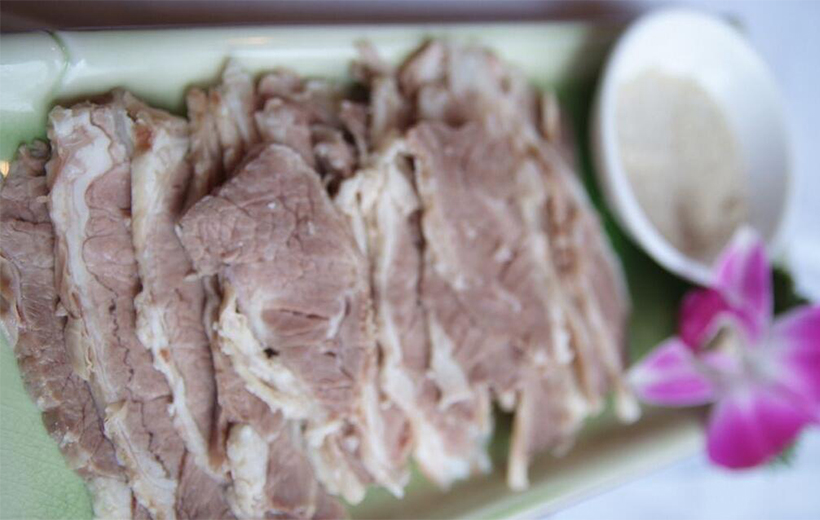
Farooq hopes to leverage the growing demand for Halal food, and plans to provide a detailed directory of restaurants and grocery stores in Edmonton, with the possibility of expanding province-wide.
No matter what cultural background people have or what their faith is, food brings people together. Halal-certified food is increasingly on the rise. SINOQUAL - 10 years focused on Halal certification, with professional, strong certification knowledge - assists you in obtaining international Halal food certification.