
The name 'Vegan' has existed since 1944, usually referring to a strict plant-based diet. Vegan represents absolute vegetarians, who neither eat nor use any product containing animal-derived raw materials.
Vegetarian is the name for general vegetarianism, looser than vegan, mainly meaning a diet based on eating vegetables and not eating animal meat. The main difference between the two is whether eggs, dairy and honey are consumed.
The vegan certification that SINOQUAL has long promoted certifies products that must not contain any animal-derived ingredient. It is not limited to food — cosmetics, daily goods, textiles, fabrics, footwear and bags, and anything else that meets the vegan certification standard can be certified. Among these, cosmetics have been a hot area for vegan certification in recent years.
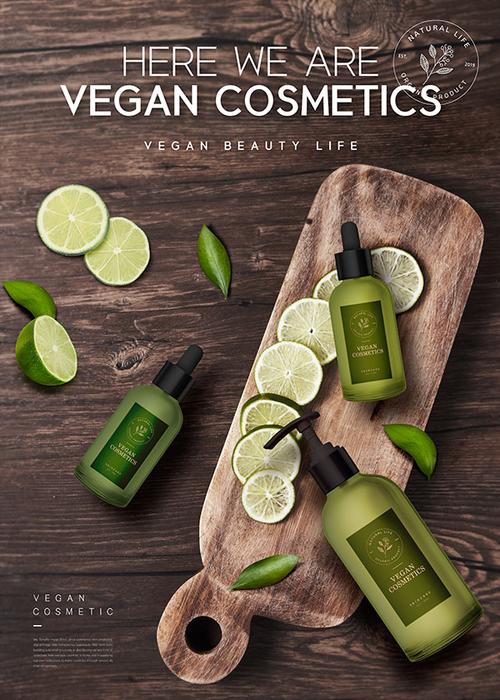
The vegan cosmetics market was about US$20.48 billion in 2025, projected to reach US$21.88 billion in 2026, with a 6.94% CAGR for 2026-2034, and is expected to exceed US$37.4 billion by 2034. Asia-Pacific — represented by China, India and Japan — is the fastest-growing region, with Gen Z, sensitive-skin consumers and pregnant women as the core consumer groups.
Over the next 3-5 years, 'vegan' cosmetics will no longer be a niche label but a baseline threshold of 'safety, ethics and sustainability.' The three-in-one selling point of 'vegan + cruelty-free + clean' will also become standard for premium and mainstream cosmetic brands, and vegan certification will become a cornerstone of consumer trust.
FAQ
- What is the difference between Vegan and Vegetarian?
- The name 'Vegan' has existed since 1944, usually referring to a strict plant-based diet; vegans represent absolute vegetarians who neither eat nor use any product containing animal-derived materials. Vegetarian is a general, looser term than vegan, mainly meaning eating vegetables and not eating animal meat. The main difference between the two is whether eggs, dairy and honey are consumed. Vegan certification certifies products that must contain no animal-derived ingredients — not limited to food, but including cosmetics, daily goods, textiles, fabrics, footwear and bags, all of which can be certified if they meet the vegan standard.
- What is the size and growth outlook for the vegan cosmetics market?
- Cosmetics are a hot area for vegan certification in recent years. The vegan cosmetics market was about US$20.48 billion in 2025, projected to reach US$21.88 billion in 2026 and over US$37.4 billion by 2034, at a 6.94% CAGR for 2026-2034. Asia-Pacific — led by China, India and Japan — is the fastest-growing region, with Gen Z, sensitive-skin consumers and pregnant women as the core consumer groups. Over the next 3-5 years, 'vegan' cosmetics will no longer be a niche label but a baseline of 'safety, ethics and sustainability,' and the three-in-one selling point of 'vegan + cruelty-free + clean' will become standard for premium and mainstream cosmetic brands.