
In recent exchanges with many nonwovens foreign-trade practitioners, a common theme is that business pressure has intensified markedly: the domestic market is fiercely homogeneous, the price war keeps escalating, and product prices have fallen to under RMB 20,000 per ton — order volumes are acceptable, but margins are severely squeezed, leaving many essentially with orders but no profit. And when opening up overseas markets such as the Middle East, Europe and the United States, even after securing large orders, customers' core entry requirements center on Halal and Vegan certification, and many domestic factories are directly limited by the lack of such qualifications, causing frequent loss of orders.
It is no exaggeration to say that, entering 2026, Halal and Vegan certification have become core access thresholds and survival lines for nonwovens exporters. This article analyzes, from industry reality, the key value and necessity of these two certifications for nonwovens manufacturers and exporters.
1. The state of the nonwovens industry: output up, profit down
First, a sobering set of figures: in 2024, China's nonwovens market was worth about RMB 135–140 billion, with output reaching 8.561 million tons. The scale is not small, but the problem is overcapacity and severe internal competition.
More worrying, demand for traditional medical and hygiene nonwovens is plateauing, and competition is white-hot. Where is future growth? New-energy-vehicle interiors, wiping/cleaning materials, food packaging, personal care — these are the core drivers for 2026 and the next five years.
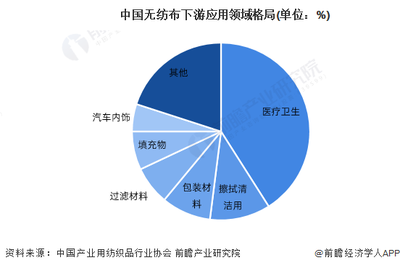
And it is precisely these emerging areas that have a rigid demand for Halal and Vegan certification.
2. Why do your nonwovens need Halal certification?
Reason 1: A US$5.7 trillion market — are you sure you don't want in?
According to the latest 2026 Global Halal Industry and Market Access White Paper by EO Intelligence, the global halal industry (including food, finance, fashion, tourism, cosmetics, etc.) is projected to exceed US$5.7 trillion in total in 2026.
What does US$5.7 trillion mean? There are over 2 billion Muslim consumers worldwide, projected to reach 2.7 billion by 2030. Nonwovens are widely used in personal-care products, hygiene products, packaging materials and other areas, all of which fall directly or indirectly within the scope of Halal certification.
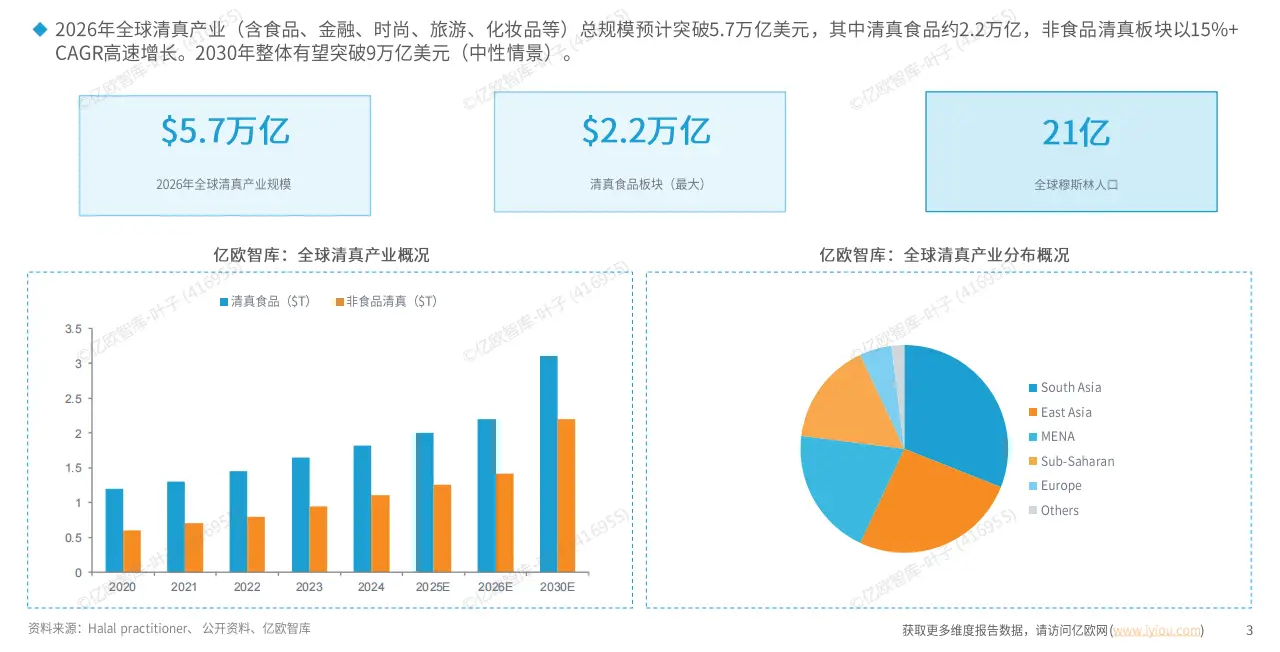
Indonesia, Malaysia and Saudi Arabia together account for 60% of the global halal consumer market. Indonesia in particular — with the world's largest Muslim consumer population — has extended its BPJPH mandatory halal certification deadline for imported goods to the end of 2026, now less than six months away. Miss this window, and your products will be shut out of the Indonesian market.
Reason 2: nonwovens enterprises have a natural advantage in obtaining certification
Many owners worry, on hearing 'Halal,' about complex raw materials and having to retrofit production lines. In fact, the raw-material structure of nonwovens is their biggest inherent advantage.
Over 80% of nonwovens' raw materials are chemical fibers, the most used being polypropylene (PP) and polyester (PET). These synthetic fibers contain no animal-derived ingredients and inherently meet the raw-material purity requirements of Halal certification. As long as auxiliaries, coatings and adhesives are confirmed free of animal-derived ingredients and the line is managed to prevent cross-contamination, the certification pass rate is very high.
3. Why is Vegan certification a 'hidden must-have' for Europe and the United States?
If Halal certification is the knock on the door to the Middle East and Southeast Asia, then Vegan certification is the green passport into the premium European and U.S. markets.
The global plant-based market is growing at an astonishing pace. According to Statista, the global plant-based food market reached about US$77.8 billion by 2025, and is expected to expand further by 2030.
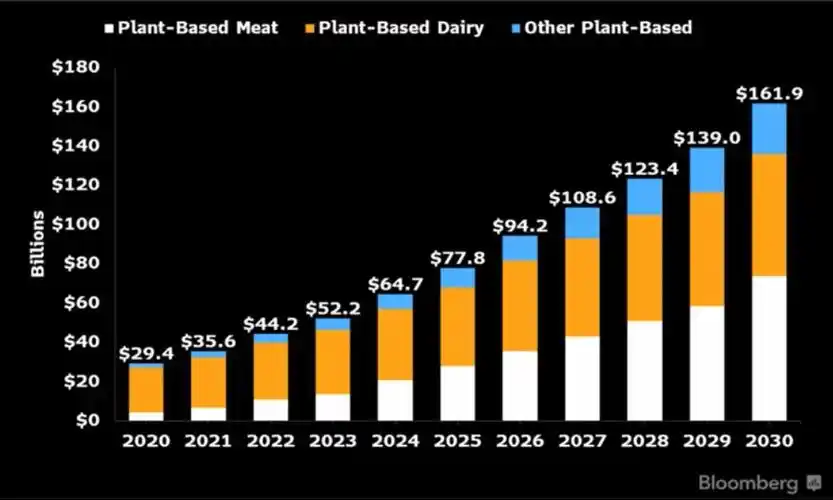
Plant-based food sales in six European countries keep growing year on year, and this consumer trend has fully permeated non-food sectors. Vegan certification requires that products contain no animal ingredients, by-products or derivatives, and involve no animal testing, covering over 60 industries including food, cosmetics and textiles.
Core requirements for nonwovens to obtain Vegan certification:
- 100% vegan raw materials: no animal-derived fibers (such as wool or silk), and no chemical auxiliaries or dyes containing animal ingredients.
- Zero animal testing: no animal testing of any kind throughout product development.
- Strict cross-contamination prevention: facilities must fully isolate vegan from non-vegan products.
Products bearing the Vegan mark command a considerable premium in Europe and the U.S., where consumers are willing to pay more for certified sustainable products.
4. The core growth code for nonwovens enterprises in 2026: certification first
The nonwovens industry has moved from 'competing on capacity and price' to a high-quality stage of 'competing on quality and certification.' As global halal certification systems keep tightening and the plant-based wave keeps rising, enterprises without certification will gradually be shut out of large international orders.
The good news is that obtaining certification is not as complex as imagined.
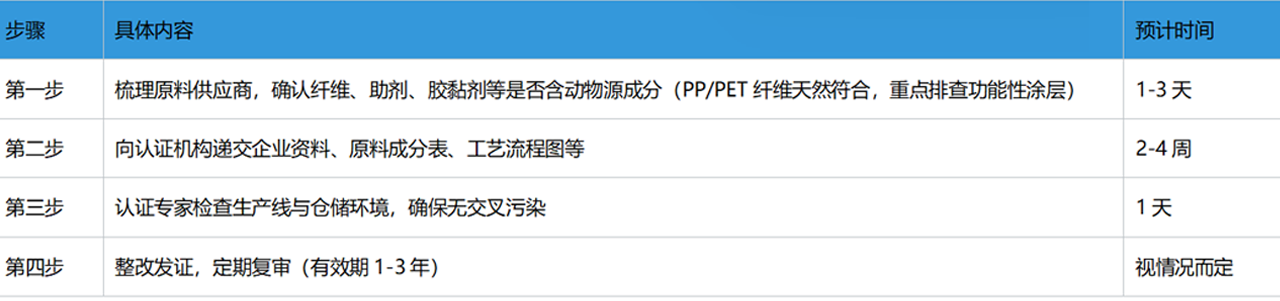
Target-market suggestions:
- Middle East / Southeast Asia market: prioritize halal certificates such as BPJPH (Indonesia), IFANCA and HFC.
- Europe and U.S. market: prioritize international Vegan certification (such as Vegan Society, V-Label, IVA), to facilitate entry into mainstream supermarkets and e-commerce channels.
Conclusion
The core keyword for the nonwovens industry in 2026 is compliance. Rather than competing on price and payment terms in the domestic market, it is better to spend the time securing these two international certifications and directly open up new trillion-dollar overseas markets. Whoever completes their certification layout first gains the edge in the industry reshuffle. Questions worth assessing include whether your nonwoven products meet Halal/Vegan requirements, how long certification takes and what it costs, and whether existing suppliers need to be changed.
FAQ
- Why do nonwovens exports increasingly need Halal and Vegan certification?
- When opening up overseas markets such as the Middle East, Europe and the United States, customers' core entry requirements center on Halal and Vegan certification, and many domestic factories lose orders for lack of these qualifications. Entering 2026, the two certifications have become core access thresholds for nonwovens exporters. Reasons include: (1) A huge market — the global halal industry is projected to exceed US$5.7 trillion in 2026, with over 2 billion Muslim consumers globally (projected to reach 2.7 billion by 2030); Indonesia, Malaysia and Saudi Arabia account for 60% of the global halal consumer market, and Indonesia's BPJPH mandatory certification deadline has been extended to the end of 2026. (2) Nonwovens have a natural certification advantage — over 80% of their raw materials are synthetic fibers such as polypropylene (PP) and polyester (PET), which contain no animal-derived ingredients and inherently meet Halal purity requirements; as long as auxiliaries, coatings and adhesives are confirmed free of animal-derived ingredients and cross-contamination is managed, the pass rate is high. The emerging growth areas for nonwovens (new-energy-vehicle interiors, wiping/cleaning materials, food packaging, personal care) have a rigid demand for both certifications.