
The Malaysian Standard entitled 'Halal Food: Production, Preparation, Handling and Storage – General Guide (MS 1500:2009)' was developed under the Malaysian Standard Development System, under the wing of the Department of Standardization Malaysia (DSM), Ministry of Science, Technology and Innovation.
The Malaysian Standard is one of five government initiatives in realizing the dream of establishing Malaysia as the center of halal food.
The standard was developed by the National Industrial Standardization Committee related to Halal matters (ISC I), and is represented by multiple organisations including JAKIM, which acts as the chairman of the technical committee. Please refer to Appendix 1 for an overview of the standardization development system in Malaysia and how ISC I contributes to this system.
This standard contains practical guidelines for the food industry on the preparation and handling of halal food (including nutrient enhancers). It aims to set the ground rules for food products or food businesses in Malaysia. It will be used by JAKIM as the basis for certification, while other requirements will also be taken into account to complete the certification process.
Refer to Appendix 2 for a summary of the Malaysian Standard development pertaining to halal food.
This document has undergone the process required by international standardization agencies such as the International Standardization Organization (ISO), where the international standardization development system is based on the agreement of all vital parties, including governments, private sectors, NGOs, researchers and professional bodies. Malaysia (DSM) uses the same ISO policy.
Food and Beverage
Aim
This guideline is meant to guide and serve as a reference point for any authority responsible for halal certification to determine whether a product is halal or not. This guide also aims to provide entrepreneurs and the public (Muslim or non-Muslim) with an understanding and clarification of the aspects of halal according to principles that encompass the preparation, processing, storage, packaging, handling and transportation of food, beverage and consumer goods applicable to Muslims.
Source of Food and Beverage
The main sources of food and drinks for humans are animals, plants, natural substances, chemicals and micro-organisms, of which some are halal and some are not.
Land Animals
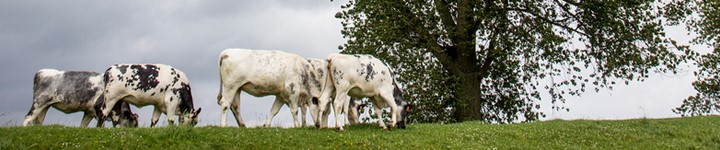
All land animals are deemed halal to be consumed except:
- Animals not slaughtered in accordance with halal principles.
- Swine.
- Dog.
- Animals which have fangs or tusks for hunting other predators, such as tigers, bears, elephants, rhinoceros, cats and other similar animals.
- Birds with talons and sharp beaks, birds of prey such as eagles, owls and others similar.
- Animals that are sanctioned by Islam to be killed, like rats, scorpions, crows, centipedes, snakes and the like.
- Animals which are forbidden in Islam to be killed, such as ants, bees, woodpeckers, swallows and spiders.
- Animals which are considered repulsive (foul) in Islam, such as lice, flies, maggots and the like.
- Animals that live on land and in water (both worlds), such as frogs, crocodiles, turtles, seals and the like.
- All plants and animals derived through biotechnology are deemed halal, except for those produced using the DNA from any one of the swine or dog species.

Water Animals
Water animals are animals which live in water only intrinsically. They are clean and can be eaten, except for those that are poisonous, intoxicating or harmful to human health.
Plants
All plant types and their products are deemed halal except for those which are poisonous, intoxicating, pose a danger to human health, or are biotechnology-produced plants using DNA derived from forbidden substances.
Beverage
All types of water are deemed halal for drinking except those that are poisonous, intoxicating, harmful to human health or polluted by wastes.
Natural Substances
All natural substances such as water, minerals and others are permissible unless polluted by sewage, or toxic, intoxicating and dangerous to health.
Chemical Substances
All chemical substances are deemed halal unless polluted by sewage, or toxic, intoxicating and dangerous to health.
Food Additives
Food additives such as stabilizers, emulsions, colouring and others are deemed halal except those from animal sources which are forbidden under halal law.
Muslim Consumer Goods
Muslim consumer goods can be divided into two categories:
Cosmetics
- Cosmetics are substances or ingredients that consist of various elements to be applied to the body — rubbed, scrubbed, wrapped, affixed to, or applied with the intention of enhancing beauty, such as hair dyes, powder, lipstick, nail coloring and the like.
- Cosmetics derived from plants and chemicals can be used unless poisonous and harmful to health. Cosmetic products made from halal animals slaughtered in accordance with Islamic law are also permissible.

Clothing and Equipment
- Clothing and equipment derived from plant sources are permissible.
- Materials and clothing made from animal fur can be used except for pig and dog fur.
- Clothing materials made from bones, horns, claws and teeth of animals that are halal when slaughtered according to halal law are permissible.
- Clothing and tools that are made from animal skin (except swine and dog) and have been cleansed according to halal law are permissible.
FAQ
- What is the Malaysian Halal Food Standard MS 1500:2009?
- The Malaysian Standard 'Halal Food: Production, Preparation, Handling and Storage – General Guide (MS 1500:2009)' was developed under the Malaysian Standard Development System, under the Department of Standardization Malaysia (DSM), Ministry of Science, Technology and Innovation. It is one of five government initiatives to establish Malaysia as a center of halal food. The standard was developed by the National Industrial Standardization Committee related to Halal matters (ISC I), with JAKIM acting as chairman of the technical committee, and JAKIM uses it as the basis for certification. It contains practical guidelines for the food industry on the preparation and handling of halal food (including nutrient enhancers) and aims to set ground rules for food products and food businesses in Malaysia.
- Which sources of food and beverage does MS 1500:2009 address?
- The main sources of food and drink are animals, plants, natural substances, chemicals and micro-organisms, some of which are halal and some not. All land animals are halal except those not slaughtered according to halal principles, swine, dogs, fanged predators, birds of prey with talons, animals Islam sanctions to be killed (such as rats and snakes) or forbids to be killed (such as ants and bees), repulsive animals (such as lice and flies), and amphibious animals (such as frogs and crocodiles). Water animals that live only in water are generally halal unless poisonous, intoxicating or harmful. Plants, natural substances and chemicals are halal unless poisonous, intoxicating, harmful or polluted. The standard also covers consumer goods such as cosmetics, clothing and equipment.