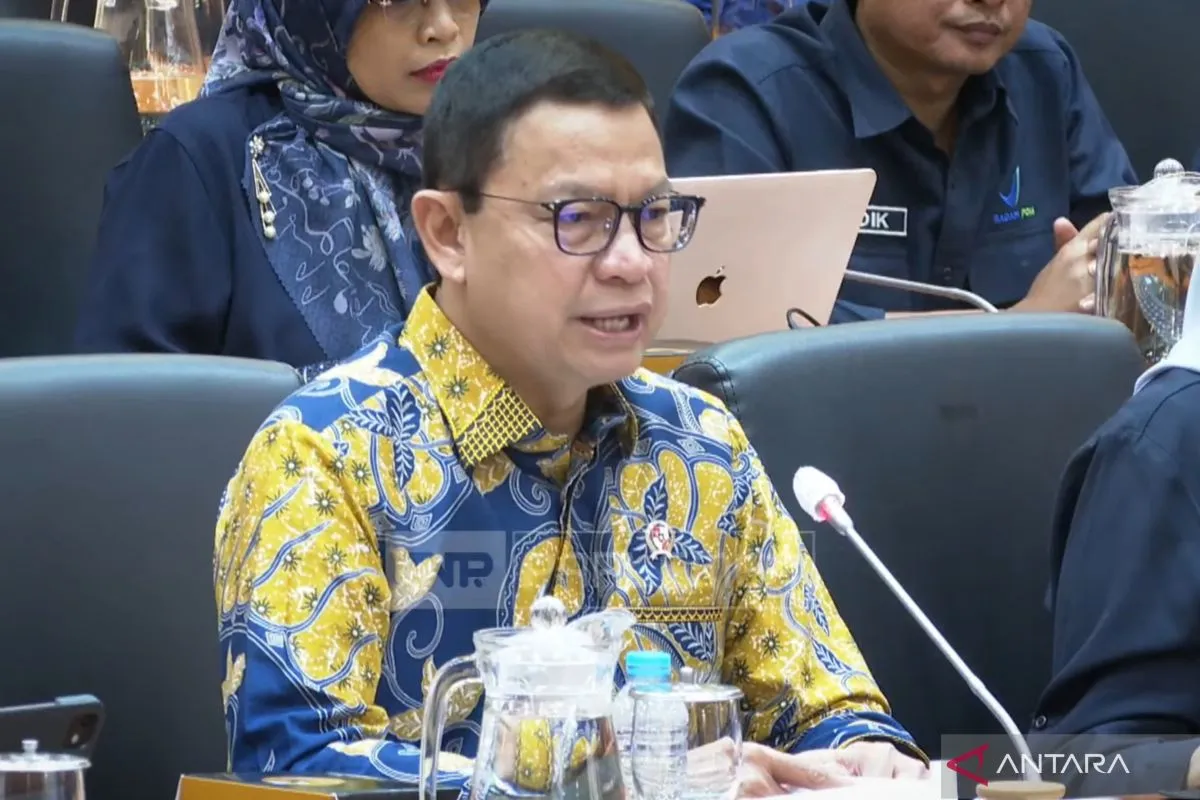
JAKARTA (ANTARA) – Indonesia's Food and Drug Authority (BPOM) is encouraging the optimization of domestic drug-production capacity as a mitigation measure against the impact of the Middle East conflict, which could restrict exports and push up drug prices. “BPOM's recommendations and mitigation measures have been implemented, including technology-based supervision and the optimization of production capacity,” BPOM Head Taruna Ikrar said when he met with Commission IX of Indonesia's House of Representatives in Jakarta on Monday. In addition, efforts to optimize national drug production are being carried out through coordination with the Ministry of Health, especially on generics. Ikrar said that, in times of crisis, the government encourages temporarily limiting the production of branded generics, so that industrial capacity can be focused on meeting public demand for essential medicines. This measure is part of a strategy to maintain access to medicines under global pressure, while reducing price spikes caused by disruptions to raw-material supply and rising production costs. He explained that, in addition to optimizing drug-production capacity, BPOM is also implementing an emergency industrial-assistance policy. This support includes accelerating the transformation of active pharmaceutical ingredient (API) producers and providing flexibility in the implementation of Good Manufacturing Practice (GMP), to ensure that industry can continue to produce under global pressure. BPOM is also strengthening hybrid-technology-based supervision — including evaluation, certification and inspection — through cooperation with ministries/agencies and the pharmaceutical industry. The agency is using a fast import lane through the Special Access Scheme (SAS) to speed up the drug-import process and maintain domestic supply. In addition, Ikrar explained, the government is considering adjusting drug prices, especially for petrochemical-based drugs, to respond to the growing pressure of global production costs. He concluded that these measures are expected to maintain access to medicines while reducing potential price increases amid global turbulence.
FAQ
- How is Indonesia optimizing domestic drug production to cope with global pressures?
- Indonesia's Food and Drug Authority (BPOM) is encouraging the optimization of domestic drug-production capacity as a mitigation measure against the impact of the Middle East conflict (which could restrict exports and push up drug prices). Measures include: optimizing national drug production through coordination with the Ministry of Health (especially generics), and temporarily limiting branded-generic production in times of crisis to focus capacity on public demand for essential medicines; implementing an emergency industrial-assistance policy that accelerates the transformation of active pharmaceutical ingredient (API) producers and provides flexibility in GMP implementation; strengthening hybrid-technology-based supervision; using a fast import lane through the Special Access Scheme (SAS); and considering adjustments to the prices of petrochemical-based drugs to respond to rising global production costs.