
Imagine giving your 'fur kid' food that follows the same strict ethical, hygiene and quality standards as your own. For millions of pet owners worldwide, this is no longer a fantasy — the rise of halal pet food has made 'humanizing pet diets' a reality.
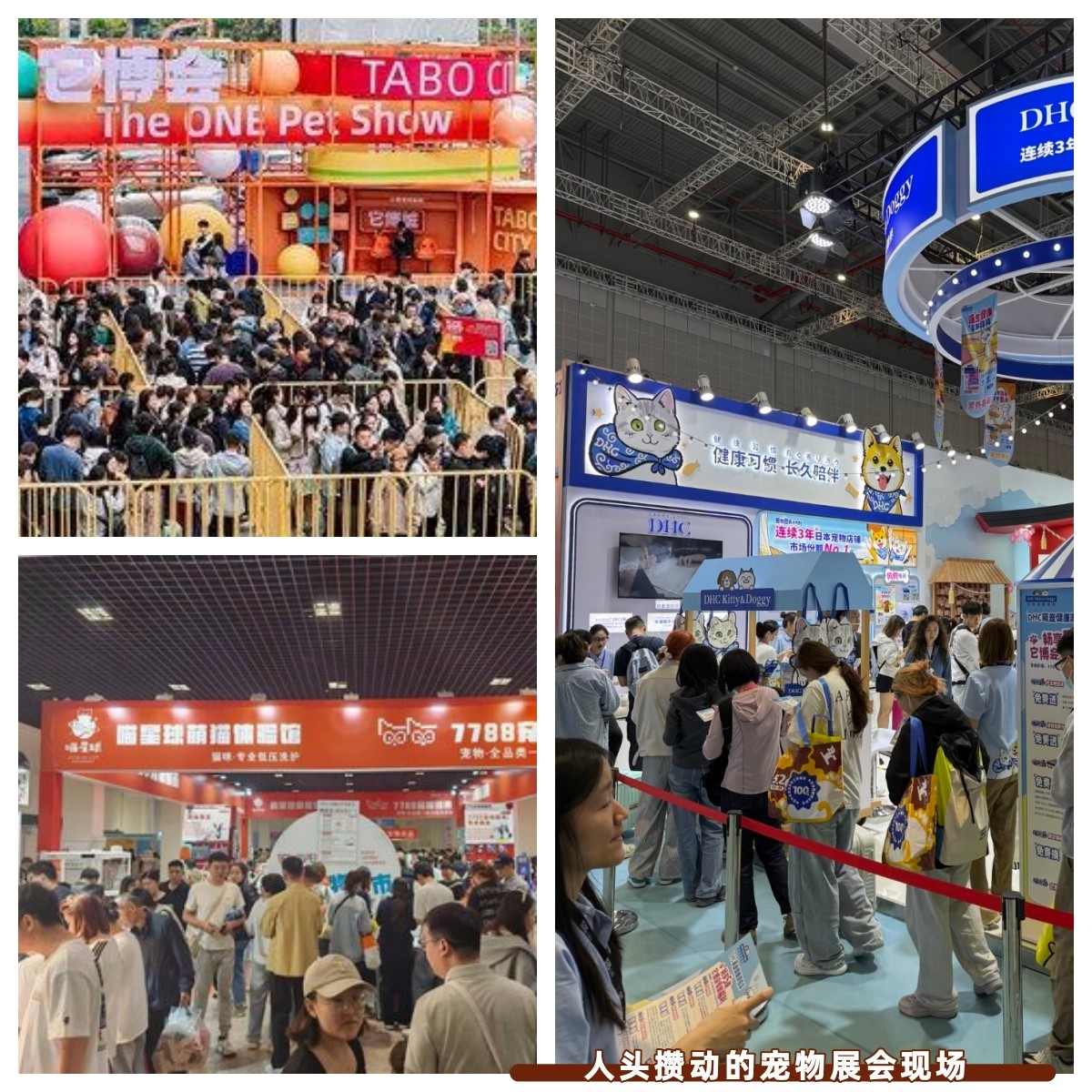
From an initial niche serving Muslim communities to today's global phenomenon — growing 14% a year (far above ordinary pet food's 6%) and exceeding US$1.5 billion in scale — halal pet food is drawing the collective attention of brands, manufacturers, industry giants and ethical consumers.
What exactly is it? Why are non-Muslims buying it too? And what opportunities and challenges does the 2026 market hold?
1. The moment has arrived: why is halal pet food catching fire worldwide?
Halal pet food — pet food compliant with Islamic law — is at its core about compliant ingredients, a pure production process and no forbidden contamination.
1. Market size: astonishing growth, a hundred-billion blue ocean opening up
There are over 2 billion Muslims worldwide, and pet-ownership rates keep rising. In Indonesia alone, pet numbers are surging — the domestic cat population is projected to approach 5.9 million by the end of 2026, more than double the 2018 figure. The presence of millions of Muslim pet owners has directly driven a surge in demand for halal-certified pet food in Muslim communities in Southeast Asia, the Middle East, Europe and the US.
According to a Grand View Research report, the global halal pet food market was expected to reach US$2.5 billion in 2025, with a 7.8% CAGR for 2021-2028 — far outpacing ordinary pet food.
2. The demand logic: not just faith, but a quality label
For Muslim pet owners, halal certification is not merely a religious preference — it is about consistency in how they care for their pets. Halal certification of pet food means it contains no forbidden ingredients such as pork or alcohol additives, and the whole production process must strictly follow clean and ethical-sourcing standards. This includes ensuring animal ingredients come from animals slaughtered according to Islamic guidelines.
Interestingly, non-Muslim consumers are increasingly drawn to halal pet food too — not only because halal certification represents higher hygiene and quality-control standards, with no additives that affect pet health, but also because the humane spirit and sustainable sourcing it embodies appeal to ethically minded consumers.
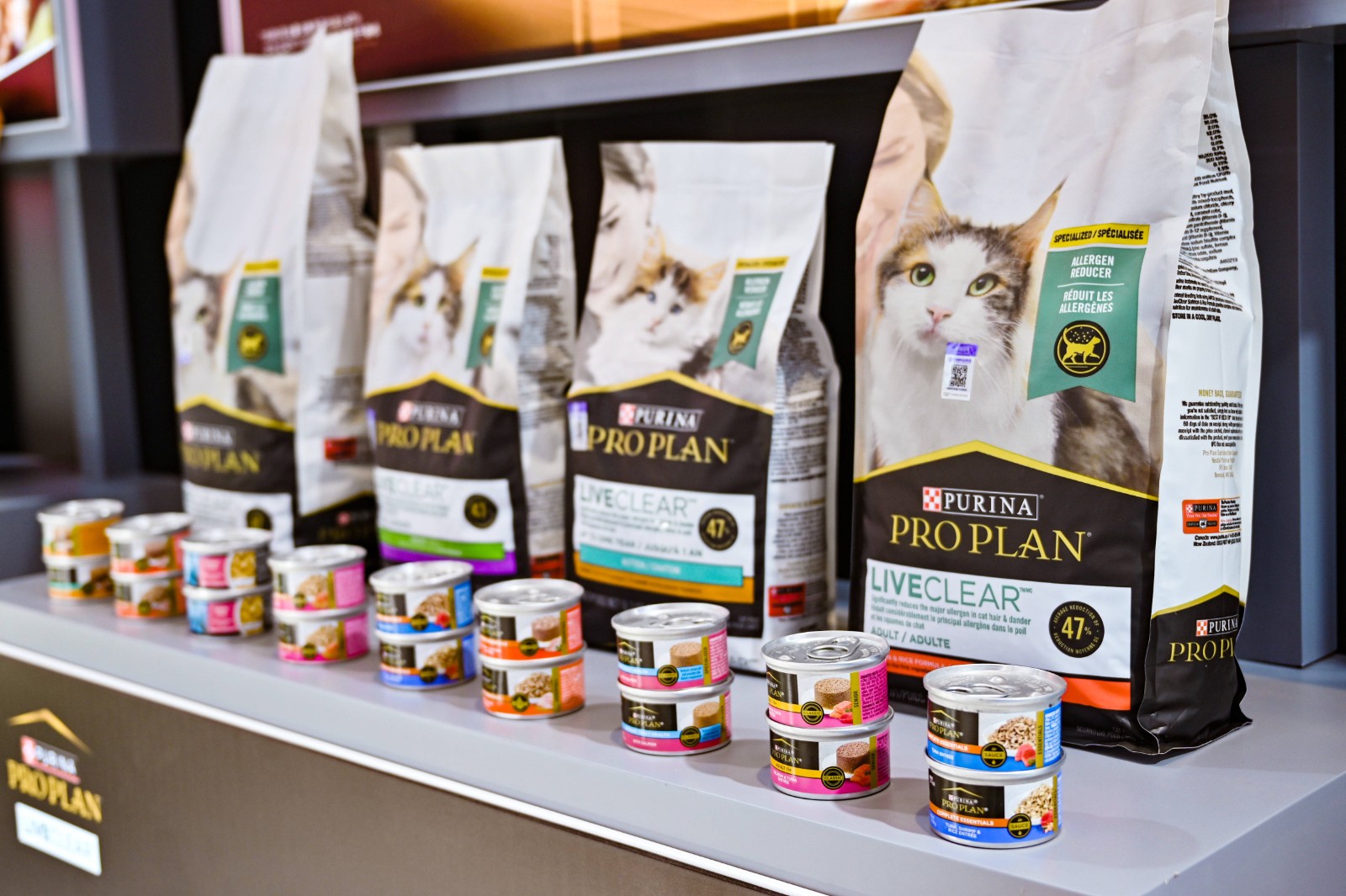
For pet-food companies, only halal pet food — with higher hygiene standards, stricter quality control and a more transparent supply chain — fits the global trend of 'rational pet ownership.' International players such as Malaysia's PetCubes, the UAE's Al Nassma, the UK's Healthy Pets, and giants such as Nestlé Purina and Mars have all launched halal production lines and related products.
2. Mining the Muslim market: how do enterprises overcome the challenges?
For pet-food companies, obtaining halal certification is the entry pass to the Muslim market. Halal certification of pet food involves a comprehensive review of the whole production process, from raw-material procurement to packaging and labeling. In practice, enterprises encounter dense difficulties and pitfalls.
1. 'Obsessive-level' scrutiny of ingredient tracing and formulas
This is where enterprises most easily 'crash.' Halal certification checks not only the main ingredients but also additives down to one part in ten thousand, one by one — including the English translation of ingredient names, which the producer must keep consistent with what the supplier provides; even reversing word order can prevent the body from verifying the authenticity and purity of a material, affecting the review. These fine details are easily overlooked by enterprises and factories; only an experienced service provider can spot them during the early document-preparation stage and help the enterprise correct them in time, paving the way for the subsequent certification and on-site audit.
- Meat: if the formula contains beef, chicken, etc., a slaughter certificate must be provided, ensuring the animal was slaughtered by a Muslim according to religious law.
- Forbidden ingredients: absolutely no pork, lard, pigskin gelatin, alcohol, blood products, etc. Many pet snacks like to use 'brewer's yeast' or alcohol-containing preservatives, which violate halal standards and must be replaced.
- Hidden additive risk: vitamins, palatants and enzyme preparations commonly used in pet food often come from animals — for example, some vitamin D3 may come from lanolin or lard derivatives, and gelatin may come from non-halal-slaughtered cattle bone. Enterprises should request a halal certificate for each batch of raw material; if one link of the upstream supply chain breaks, certification is impossible.

2. 'Absolute isolation' of production lines and equipment
For enterprises that produce both ordinary food (containing non-halal ingredients) and halal food, physical isolation of the production lines is required.
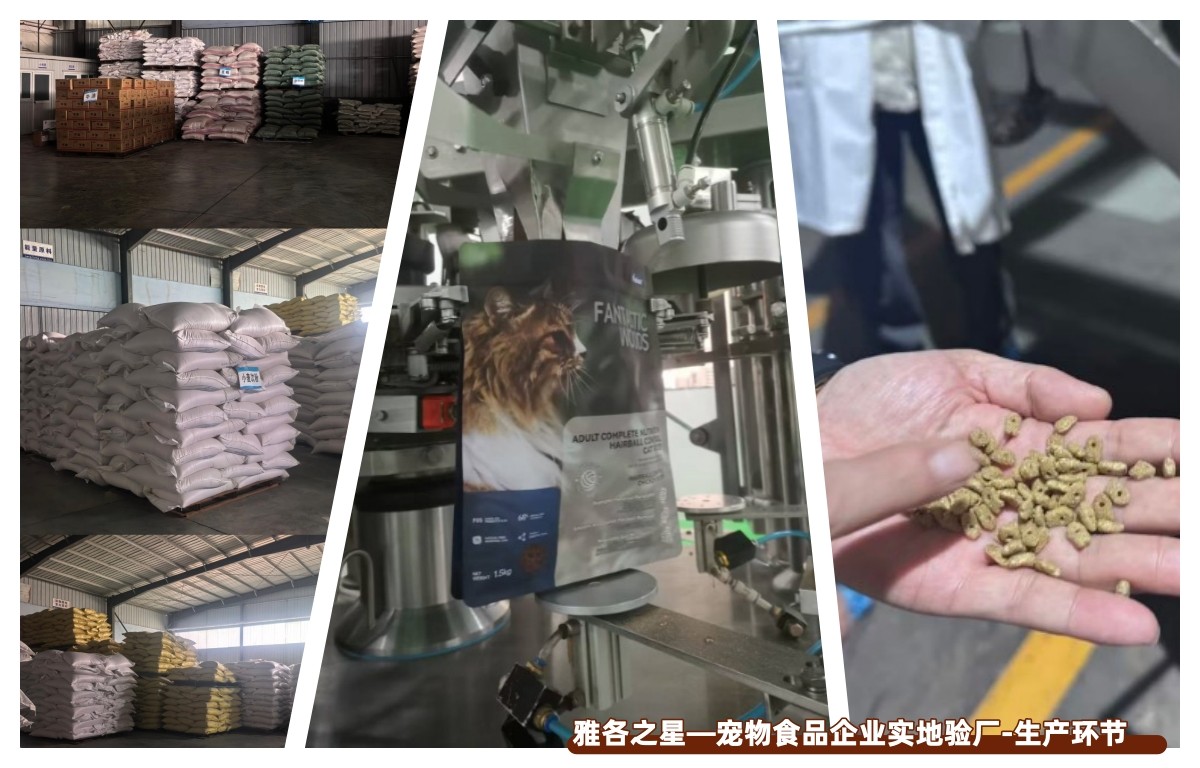
- Dedicated-equipment requirement: halal certification requires certified products to have an independent, dedicated production line or workshop, avoiding cross-contact with non-halal ingredients throughout, with equipment, tools and packaging all clean and compliant. Some certifiers with very high requirements even stipulate that equipment previously used to produce non-halal food (especially pork-containing) must not be used directly to produce halal products, even after cleaning — meaning the enterprise must buy a brand-new dedicated line.
- Preventing cross-contamination: if a factory must be shared, there must be strict physical isolation (independent warehouse, independent workshop). Logistics vehicles must also be dedicated, or thoroughly cleaned before transport with cleaning records issued, to prevent mixed transport with non-halal goods.
3. Non-uniform international standards and mutual-recognition difficulties
Different countries interpret halal differently, making 'one certificate for the whole world' hard to achieve.
- Difficulty choosing a certifier: there is no single global halal standard. Malaysia's JAKIM and Indonesia's BPJPH are recognized as the most authoritative worldwide, but their review processes and emphases differ. If products are to be exported to multiple countries, enterprises need to apply for multiple certifications according to each export market's specific requirements, greatly increasing time and money costs.
4. The pressure of ongoing compliance and document management
Obtaining the certificate is only the beginning; subsequent maintenance cannot be ignored.
- Dynamic oversight: certifiers conduct irregular spot checks. If an enterprise is found to have changed suppliers without reporting it, or to have incomplete production records, the certificate can be suspended or revoked at any time.
- Long document chain: from raw-material procurement, warehousing and production to shipment, every link needs detailed records. Especially for imported materials, a halal certificate from the country of origin plus a complete translation must be provided; any lapse in any link will cause the review to fail.
Pitfall-avoidance advice
If an enterprise decides to pursue halal certification, SINOQUAL suggests first doing these three self-checks:
- Inventory the formula: list all ingredients (including trace additives) and check one by one for alcohol, pork-source ingredients or animal ingredients of unknown origin.
- Assess the production line: confirm whether the line has contacted forbidden substances. For a new plant, it is advisable to design directly to halal standards; for an old plant, assess whether a dedicated line needs to be added.
- Clarify the target market: determine where the products will mainly be sold (e.g., BPJPH for Indonesia, JAKIM for Malaysia), to avoid blindly applying for certificates that are not recognized.

3. Conclusion: the next pet-economy dividend belongs to the 'halal track'
When pets are no longer just 'companions' but members of the family, pet food has long moved beyond mere 'subsistence' toward quality, ethics and compliance. The rise of halal pet food is not just a trend — it reflects a broader shift in consumer behavior, from basic product needs to a desire for greater transparency across the whole supply chain.
Leaping from a niche track to a new growth engine of the global pet economy, halal pet food is poised to become an important player in the global pet-care industry, proving that what is good for humans can also be good for pets.
FAQ
- Why has halal pet food become a fast-growing market track?
- Halal pet food is pet food compliant with Islamic law, with compliant ingredients, a pure production process and no forbidden contamination (no pork or alcohol additives; animal ingredients must come from animals slaughtered according to Islamic guidelines). It is growing about 14% a year (far above ordinary pet food's 6%) and has exceeded US$1.5 billion. According to Grand View Research, the global halal pet food market was expected to reach US$2.5 billion in 2025, at a 7.8% CAGR for 2021-2028. Growth is driven not only by faith — over 2 billion Muslims worldwide and rising pet ownership (in Indonesia, for example, the domestic cat population is projected to approach 5.9 million by the end of 2026, more than double 2018) — but also by non-Muslim consumers, because halal certification signals higher hygiene and quality-control standards, no harmful additives, and humane, sustainable sourcing. Brands such as PetCubes, Al Nassma, Healthy Pets, Nestlé Purina and Mars have launched halal lines.