
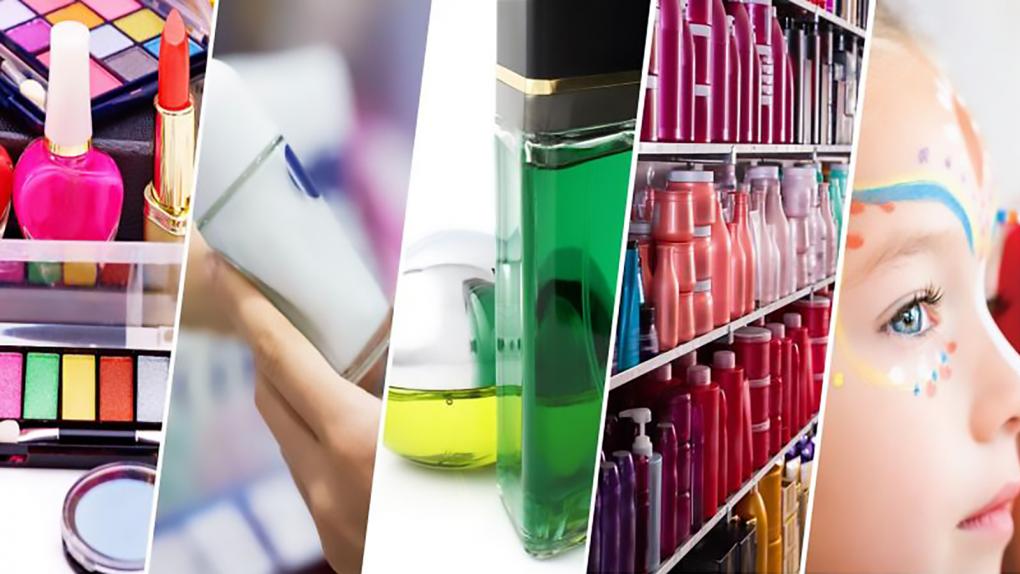
Although cosmetics were brought under regulation by the landmark Federal Food, Drug, and Cosmetic Act of 1938 (FD&C Act) — which comprehensively overhauled the U.S. Food and Drug Administration's (FDA) regulation of food and drugs and gave it authority over cosmetics — between 1938 and 2022 FDA's regulatory authority over cosmetics expanded relatively little, with the Fair Packaging and Labeling Act of 1967 being a notable exception. This meant that, compared with other FDA-regulated products, FDA had fewer tools to protect public health and ensure the safety of cosmetics. For example, although cosmetic companies and their marketers were responsible for ensuring the safety of their products, there was previously no requirement for companies to register cosmetic manufacturing facilities with FDA, to list cosmetic product information, or to report serious adverse events as in other FDA-regulated industries.
MoCRA expands FDA's authority over cosmetics
This changed on December 29, 2022. After more than a decade of bipartisan effort, the U.S. Congress passed the Modernization of Cosmetics Regulation Act of 2022 (MoCRA), significantly expanding FDA's regulatory authority over cosmetics and establishing several new compliance requirements for companies and responsible persons marketing cosmetics in the U.S. market. MoCRA gives FDA new powers, including mandatory recall and access to records. At the same time, responsible persons must now report serious adverse events to FDA and keep records that demonstrate the safety of their cosmetics. FDA was also required to establish regulations on fragrance-allergen labeling, as well as standardized testing methods for detecting and identifying asbestos in talc-containing cosmetics. MoCRA also requires cosmetic manufacturing and processing facilities to register, and responsible persons to submit product listings for cosmetics on the market, including product ingredient information. In addition, FDA was required to establish good manufacturing practices (GMP) for cosmetic manufacturing and processing facilities. At the same time, for certain small businesses, MoCRA provides exemptions from facility registration, product listing and GMP requirements.
Broad results of three years of MoCRA implementation
Over the past three years, FDA has largely relied on existing resources to continue advancing the implementation of MoCRA's provisions, achieving several results, including: Issuing multiple guidance documents on cosmetic facility registration and product listing, and developing tools to help industry complete the relevant processes. As of March 2025, FDA has begun regularly publishing summary data on the number of cosmetic facility registrations and product listings. Launching the Cosmetics Direct electronic submission portal, while also providing the Electronic Submissions Gateway (ESG NextGen) and paper submission options. Updating tools and applications to support companies in submitting mandatory serious adverse-event reports for cosmetics. Issuing draft guidance to further clarify FDA's authority on mandatory cosmetic recalls and records access. Holding online hearings to engage with cosmetic manufacturers (including small businesses and contract manufacturers) and consumer organizations to support the development of GMP regulations.
New information has a positive impact on public health
The new regulatory authority MoCRA gives FDA has begun to produce beneficial public-health effects. For example, before MoCRA was implemented, because adverse-event reporting was voluntary, the number of industry reports was very limited. After implementation, the number of adverse events reported by companies to FDA more than tripled. Moreover, these data are now open to the public through the FDA Adverse Event Reporting System, a unified, streamlined and user-friendly platform for viewing all adverse-event reports submitted to FDA. FDA expects that this increased transparency will encourage consumers, healthcare professionals and the public to submit more detailed and complete reports. In addition, there are now more than 15,000 separate and active cosmetic manufacturing facility registrations, and more than 1 million separate and active cosmetic product listings. Before MoCRA was implemented, FDA had received only 5,176 company registrations and 35,102 product listings through the voluntary cosmetic registration program. Now, facility registrations have nearly tripled and product listings have grown about thirtyfold, underscoring the scale of the cosmetics market and the importance of mandatory registration and listing for effective oversight. Facility registration enables FDA to know who is manufacturing or processing cosmetics and where, while product listing provides detailed information about cosmetics on the market and their ingredients. Together, these are an important resource for FDA to effectively monitor the cosmetics market.
PFAS assessment and other regulatory progress
MoCRA also requires FDA to assess the use of per- and polyfluoroalkyl substances (PFAS) in cosmetics and the evidence on their safety, including potential risks. In December 2025, FDA released a report assessing the safety of the 25 most commonly used PFAS in the U.S. market. This PFAS information comes from the new mandatory product-listing data. As of August 2024, PFAS-containing cosmetics accounted for about 0.41% of all listed products.
Ongoing regulatory work under the FD&C Act and the Fair Packaging and Labeling Act
In addition to MoCRA, FDA continues its cosmetics regulatory work under existing regulations. For example: Issuing final guidance to help tattoo-ink manufacturers and distributors identify situations where products may be subject to microbial contamination. In 2025, issuing a consumer alert noting that some gel nail-polish removers contain methylene chloride, an ingredient banned in cosmetics. Meanwhile, FDA's Office of Cosmetics and Colors also completed an organizational change. In 2024, the office moved from the Center for Food Safety and Applied Nutrition to the Office of the Chief Scientist to better align with its core responsibilities. FDA will continue to publish information on the safety of cosmetics and their ingredients through its official website and social media, including product recalls and test results. FDA will also continue to provide regular public updates on its regulatory activities and the progress of MoCRA implementation.
FAQ
- How did MoCRA expand FDA's authority over cosmetics?
- Although cosmetics have been regulated since the Federal Food, Drug, and Cosmetic Act of 1938, FDA's regulatory authority over cosmetics expanded little between 1938 and 2022 (the Fair Packaging and Labeling Act of 1967 being a notable exception). On December 29, 2022, the U.S. Congress passed the Modernization of Cosmetics Regulation Act of 2022 (MoCRA), significantly expanding FDA's authority: granting FDA mandatory recall and records-access powers; requiring responsible persons to report serious adverse events and keep records demonstrating cosmetic safety; requiring FDA to establish fragrance-allergen labeling regulations and standardized testing methods for asbestos in talc-containing cosmetics; requiring cosmetic manufacturing and processing facilities to register and responsible persons to submit product listings (including ingredient information); and requiring FDA to establish GMP for cosmetic facilities. For certain small businesses, MoCRA provides exemptions from facility registration, product listing and GMP requirements.