
Despite the landmark passage of the 1938 Federal Food, Drug, and Cosmetic Act...
The head of Indonesia's Food and Drug Administration (BPOM) visited Indonesia's first pharmaceutical factory, calling for reflection on history and strengthened collaboration between government, industry, academia, and research institutions.
2026-03-19
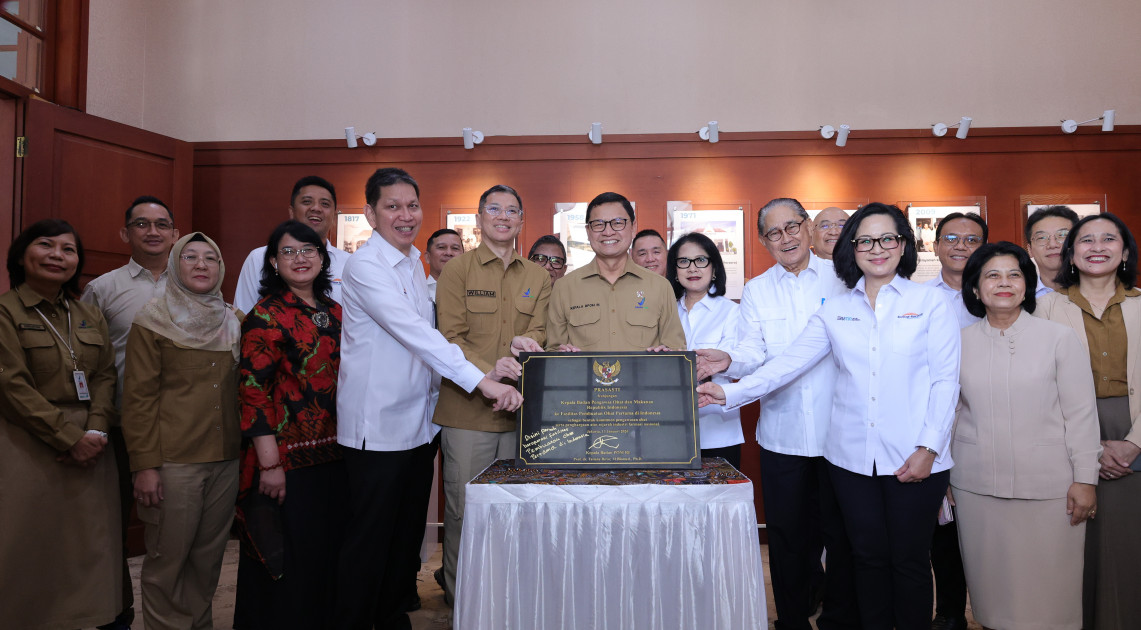
Jakarta — Taruna Iklar, Director General of the Indonesian Food and Drug Administration (BPOM), visited Indonesia's first pharmaceutical factory on Tuesday (January 13, 2026), located in the PT Kimia Farma Tbk. building on Jalan Veteran in downtown Jakarta. This visit was part of a series of events celebrating the BPOM's 25th anniversary, aimed at reflecting on the history of drug regulation and strengthening inter-sectoral cooperation to support the country's pharmaceutical industry self-sufficiency. The visit aimed to deepen understanding of the development of Indonesia's pharmaceutical industry and the history of drug regulation. The site, formerly known as Chemicalien Handle Rathkamp & Co., is a historical landmark and the beginning of Indonesia's pharmaceutical self-sufficiency. In his remarks, Taruna Iklar thanked the management of PT Kimia Farma Tbk. for providing the opportunity to visit this historic site. “My colleagues at the Indonesian Food and Drug Administration (FDA) and I were able to visit this historically significant site—the PT Kimia Farma Tbk. building on Veterans Road—the location of Indonesia’s first pharmaceutical factory,” he said. Taruna explained that 2026 marks the 25th anniversary of the FDA, a non-departmental government agency responsible for regulating drugs and food. He emphasized that although the FDA was officially established in 2001, the seeds of Indonesia’s drug and food regulatory system were sown as early as 1807, and it has continuously evolved into the strong and independent agency it is today. PT Kimia Farma Tbk. CEO Jagade Prakasa Devi Alam, at the same event, stressed Kimia Farma’s commitment to continuous innovation and adaptation to the dynamics of the pharmaceutical industry. “We will continue to drive innovation based on our capabilities. In this day and age, we cannot stop developing. We must be able to work with regulatory agencies and oversight bodies to address dynamic changes,” he said.
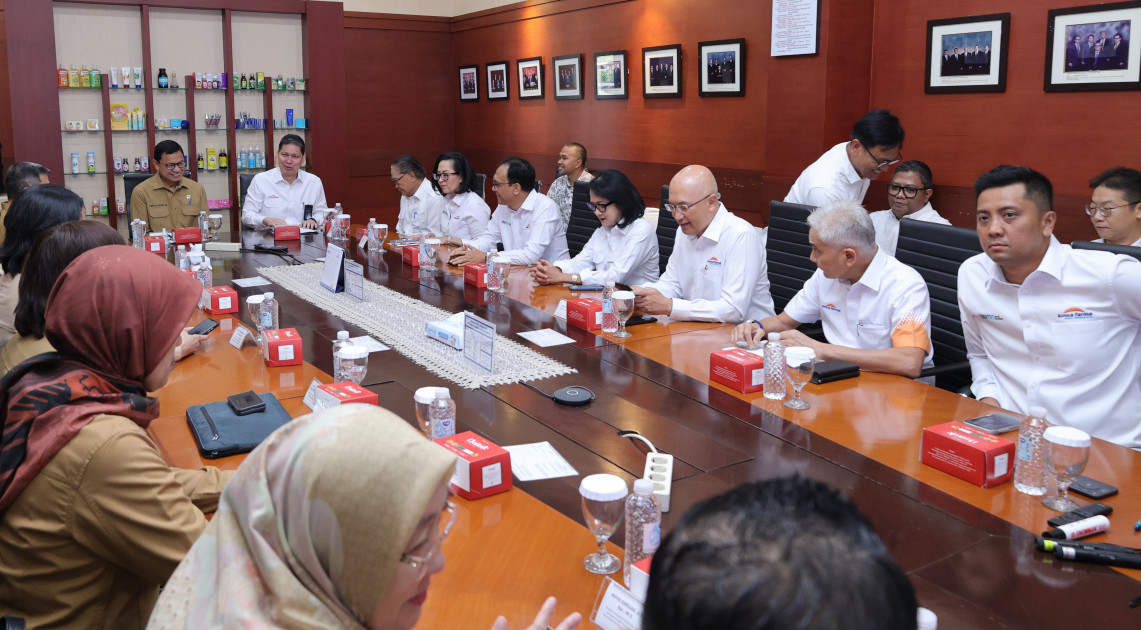 Taruna Iklar reiterated that this visit had profound philosophical significance, representing a reflection on the starting point of national pharmaceutical self-sufficiency. He emphasized that self-sufficiency in the pharmaceutical sector is a crucial component of national resilience. He believes that the history of Indonesia's pharmaceutical industry offers valuable lessons, namely that the nation must be prepared to address future health challenges through an adaptive and collaborative regulatory system. Taruna also stressed that pharmaceutical and food regulatory systems are constantly evolving with technological advancements and globalization. He emphasized that effective regulation requires technological adaptation, institutional independence, active stakeholder participation, and harmonization with international standards. Taruna took this opportunity to commend PT Kimia Farma Tbk. for the transformative and strategic collaboration between RSUPN Dr. Cipto Mangunkusumo and the University of Indonesia Faculty of Medicine. This collaboration has yielded an innovative Advanced Therapeutic Medicine (ATMP) product, mesenchymal stem cells (MSCs), demonstrating the nation's pharmaceutical industry's ability to translate research and development findings into self-sufficiency in advanced therapeutic areas. “This collaboration aligns with the spirit of cooperation between academia, industry, and government (ABG). This synergy demonstrates that, with full regulatory support, the commercialization of research results can achieve optimal results,” he explained.
Taruna Iklar further emphasized that the Indonesian Food and Drug Administration (FDA) is committed to continuing to provide regulatory support to the national pharmaceutical industry, enabling it to compete globally. With the FDA's attainment of World Health Organization (WLA) accreditation status, the opportunities for Indonesian pharmaceutical industries and products to enter international markets will be even greater.
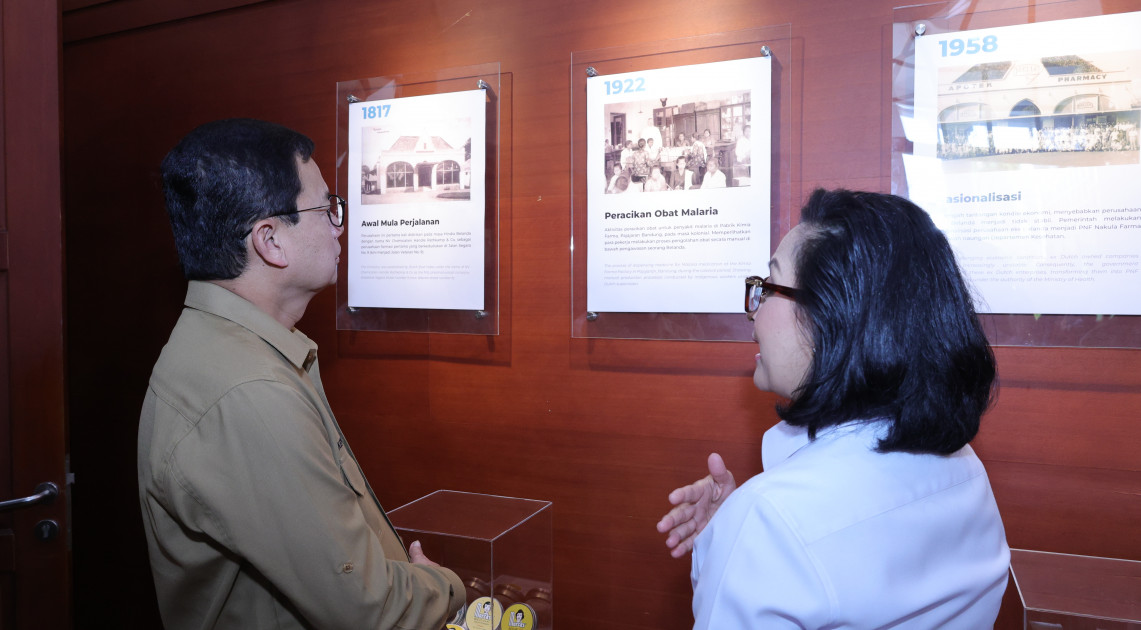
As part of a series of events, the Director General of the Indonesian Food and Drug Administration (FDA) signed a commemorative plaque at the museum in PT Kimia Farma Tbk. to pay tribute to the history of the nation's pharmaceutical industry. The event then continued with a presentation on the history of Indonesia's first pharmaceutical facility, followed by photo opportunities and friendly exchanges. At the conclusion of the event, Taruna called on all stakeholders to use the 25th anniversary of the FDA as an opportunity to strengthen synergy in building national health security. "Let us take this moment to consolidate our actions and cooperation to achieve national health security, build a better future for Indonesia, and move towards a golden Indonesia in 2045," he concluded. (HM-Laras/HM-Herma)