
Despite the landmark passage of the 1938 Federal Food, Drug, and Cosmetic Act...
The Ministry of Industry is strengthening the quality of domestically produced auto parts (TKDN) and Indonesian national standards (SNI) to enhance the competitiveness of the automotive industry.
2026-05-25
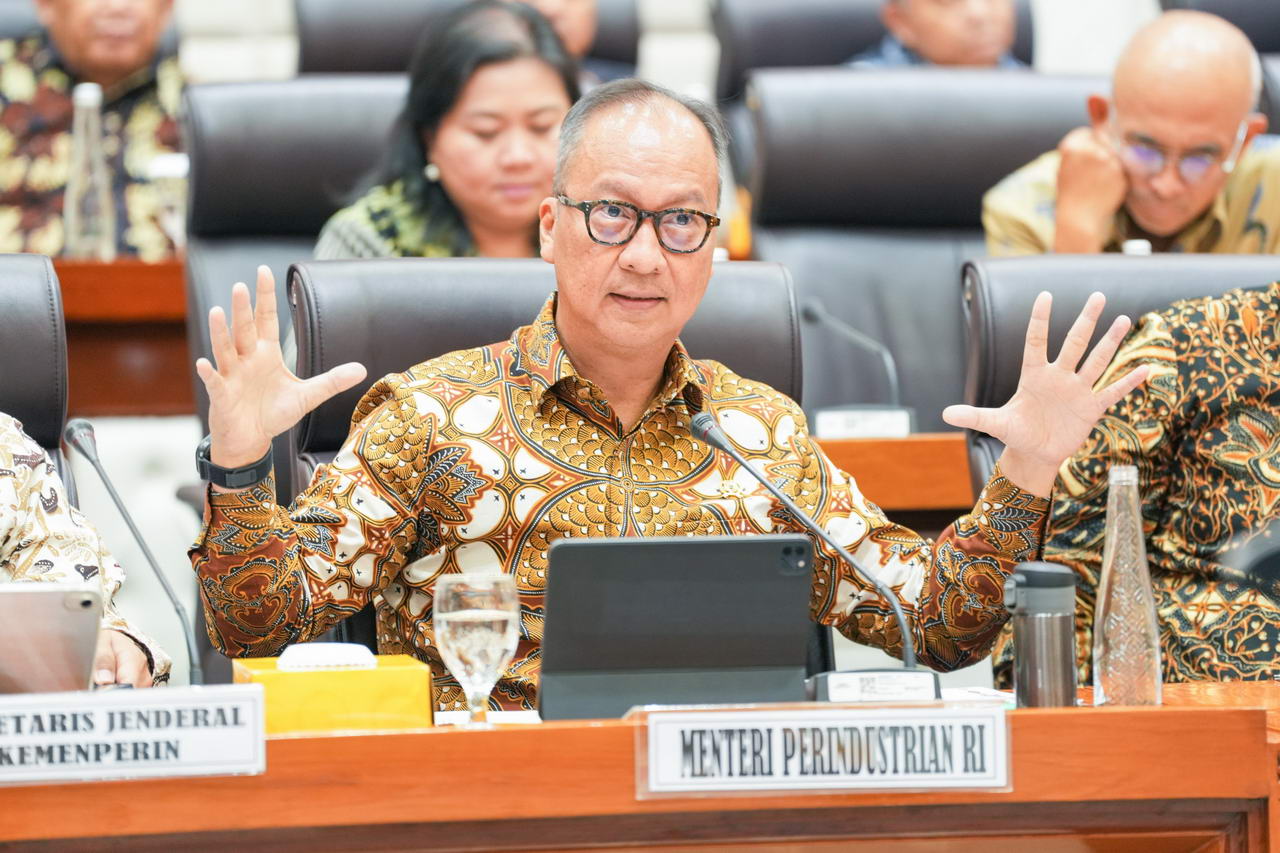
The Ministry of Industry continues to strengthen the domestic automotive industry structure and accelerate the transformation towards a globally competitive electric vehicle ecosystem. This strategic initiative focuses on the two-wheeled and three-wheeled vehicle sectors.
According to Investortrust, Industry Minister Agus Gumiwan Katasamita stated that the government is firmly committed to optimizing and deepening the national automotive industry structure. This strategy will be achieved through policies aimed at improving the level of domestically produced components (TKDN) and strengthening the electric vehicle ecosystem.
The Minister of Industry added that the electric two-wheeler and three-wheeler sector is a priority development area because it has a significant multiplier effect on investment, employment, and industrial autonomy. The government will continue to strengthen relevant policies to accelerate the transfer of local components and technologies.
Indonesia's two- and three-wheeled vehicle industry is showing positive growth, with an increasing number of manufacturers and a significant increase in production capacity for both traditional and electric models. This promising outlook is attributed to stable domestic sales, an expanding export ecosystem, and the growing popularity of environmentally friendly vehicles.
In recent years, the number of electric two-wheelers has increased significantly. This phenomenon also reflects the growing public attention to more efficient modes of transportation.
In a written statement on Monday (April 13, 2026), Setia Diarta, Minister of the Indonesian Ministry of Metals, Machinery, Transport Equipment and Electronics Industries (ILMATE), said: “The government will continue to closely monitor the development of the national automotive industry to ensure it develops in accordance with policy directions, especially in terms of increasing the localization rate (TKDN) and implementing Indonesian National Standards (SNI). This initiative is crucial to ensuring that domestic industries continuously enhance their competitiveness, strengthen their global competitiveness, and create maximum added value for the national economy.”
This policy direction aligns with the agenda of the Indonesian Parliament's Seventh Committee's special working visit to QJ Motor's Indonesian manufacturing plant in Cikarang. This visit provided a platform for strengthening collaboration among regulatory bodies, legislative bodies, and businesses.
This working visit is not limited to assessing investment readiness and manufacturing capacity. The main agenda also includes discussions on long-term development plans for the automotive industry, strengthening internal infrastructure, expanding investment, and the sustainable implementation of domestically produced parts standards (TKDN) and national industrial standards (SNI).
Saleh Pataonan Dawlai, chairman of the Seventh Committee of the Indonesian Parliament, emphasized that implementing the Toleran National Automotive Components (TKDN) standard is fundamental to building a sustainable and independent national automotive industry and plays a crucial role.
Saleh stated, "We emphasize that every investment in manufacturing should not only be market-oriented, but also increase domestic added value through the steady implementation of domestically produced components standards (TKDN)."
In response, QJMotor Manufacture Indonesia's management stated that the company is fully committed to making Indonesia a major motorcycle manufacturing base in Southeast Asia. This goal will be achieved through increasing production capacity, developing a local supply chain, and standardizing global products.
Setia stated, "The government will continue to monitor the growth of the motorcycle industry and ensure its sustainable development by strengthening the industrial structure, increasing investment, and enhancing cooperation between the government, the Indonesian Parliament, and businesses."