Despite the landmark passage of the 1938 Federal Food, Drug, and Cosmetic Act...
Capturing global taste buds: How can Chinese ice cream leverage "Halal certification" to tap into a trillion-dollar overseas market?
2026-03-20
In the sweltering summer, a refreshing ice cream is not only a great way to beat the heat, but also a "sweet messenger" for Chinese-made products to reach the world.midsummerApproachingIce cream production alsoEnteredIn full swingofPeak season. For domestic ice cream factories and upstream supply chain companies, this year's focus should not be limited to the price war in the domestic market. The latest customs data shows that China's ice cream exports continued their strong growth momentum in 2025, especially with record-breaking exports to Southeast Asia and the Middle East, becoming a bright spot in China's food industry.。
01 The Blue Ocean Behind the Data: The Golden Age of Ice Cream Going Global
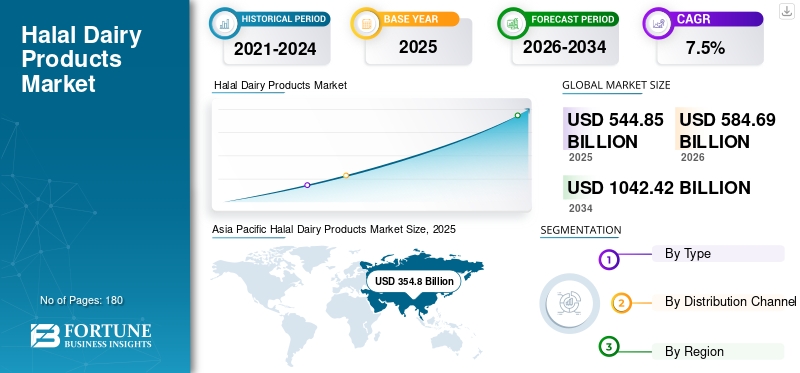
According to the latest industry report, the global halal dairy market is...The market size reached $544.85 billion in 2025 and is projected to surpass $1 trillion by 2034. Ice cream, as a significant sub-category, has demonstrated remarkable growth potential in the Asia-Pacific, Middle East, and Africa regions.。
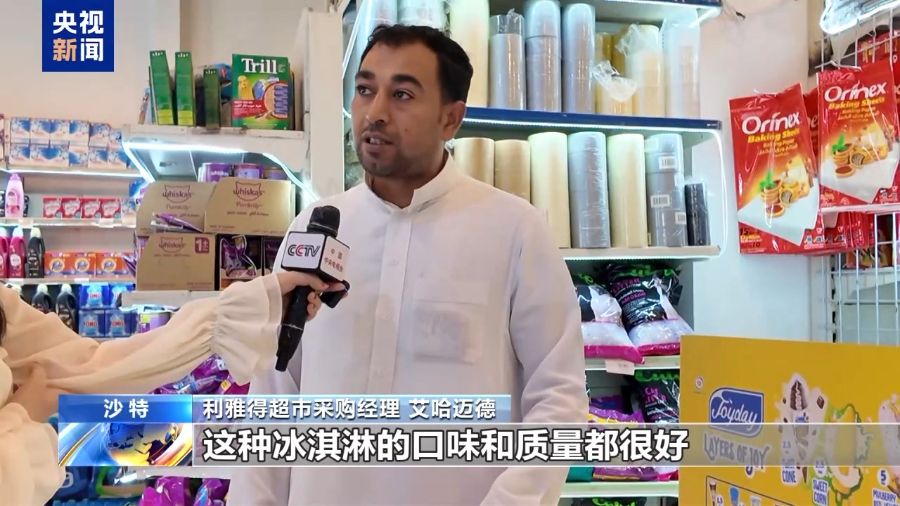
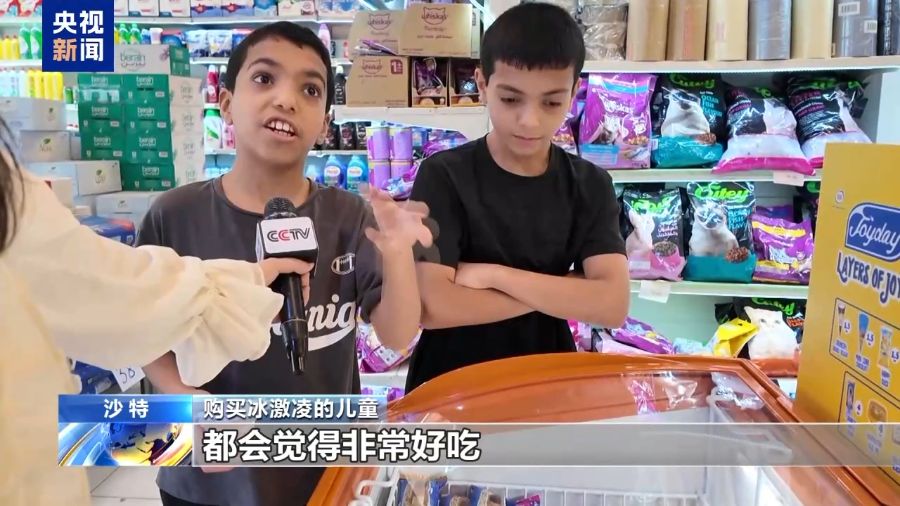
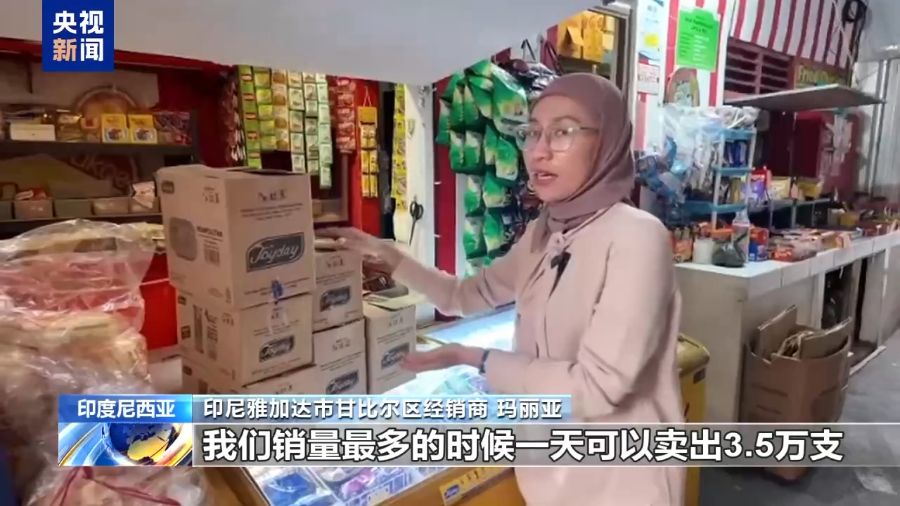
Especially in supermarkets and department stores in Riyadh, Saudi Arabia, Chinese ice cream brands now occupy prominent positions in the refrigerated sections. A Saudi operator of a Chinese ice cream company revealed that they currently sell nearly [amount missing] units per month in Saudi Arabia alone.500,000 popsicles, sold at locations throughout Riyadh, Jeddah, Dammam, and other areas.This marks a significant breakthrough for Chinese ice cream, breaking the long-standing dominance of European and American brands and domestic brands.The market landscape is "frozen".
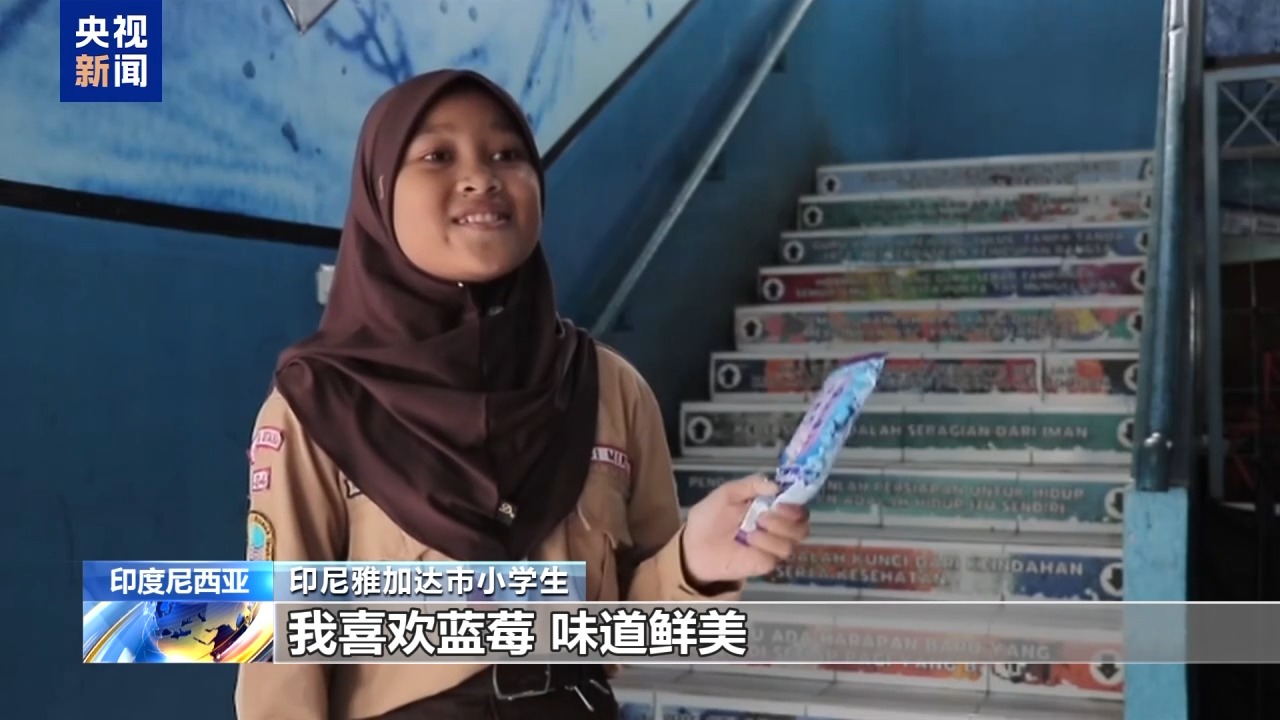
And inIn Indonesia, the "Equatorial Nation," Chinese ice cream companies have cultivated a deep and intensive presence. The country experiences year-round high temperatures and has a relatively young population, with over 60% under the age of 35, resulting in a strong demand for cold drinks and sweets. One Chinese brand established its first self-built factory in Southeast Asia in Indonesia, capable of shipping 400 tons of goods a day at peak times, equivalent to 8 million ice creams, quickly propelling it into the top ranks of the local market.。
02 Decoding the "Taste Buds": Ice Cream Preference Maps in Different Markets
To win over overseas consumers, you must first conquer their stomachs. Muslim consumers in different regions have drastically different preferences for ice cream flavors:
Southeast Asia: Preferring rich and stimulating flavors
In Indonesia, despite the abundance of tropical fruits, locals don't favor mango and pineapple flavors popular in the Chinese market; instead, they have a strong preference for chocolate. Taro and chocolate flavors are also extremely popular.Thailand's ice cream market, on the other hand, shows extremely strong...With its "localized" innovation capabilities, brands like Dairy Queen frequently launch limited-edition flavors such as durian, Thai milk tea, and sticky rice, sparking heated discussions on social media.。
Middle East: A fusion of luxury and wellness
In Gulf Arab countries, consumer demand for premium and artistic ice cream is surging. Besides classic chocolate flavors, ice creams with rich Middle Eastern elements, such as saffron, rose, Turkish delight, pistachio, and camel milk, are becoming increasingly popular.Meanwhile, the region has a high incidence of diabetes (over 100% in parts of the UAE and Saudi Arabia).Healthy ice cream with 20% added sugar, no added sugar, or the use of natural sweeteners or functional ingredients (such as date extract) is becoming an important growth area.。
Africa: Different Opportunities in a Segmented Market
In Africa, the market exhibits clear stratification. In relatively mature markets like South Africa, consumers show a strong interest in natural ingredients and native plant-based components such as baobab pulp; while in countries like Nigeria, with the penetration of solar-powered cold chain logistics, affordable, small-sized chocolate-flavored ice cream enjoys ample distribution opportunities.。
03 The key to breaking the ice: Why is halal certification the first hurdle to overcome when going global?
Whether it's a localization strategy in Indonesia or an attempt to enter the Gulf market, Chinese ice cream companies face a common premise.—Halal certified.
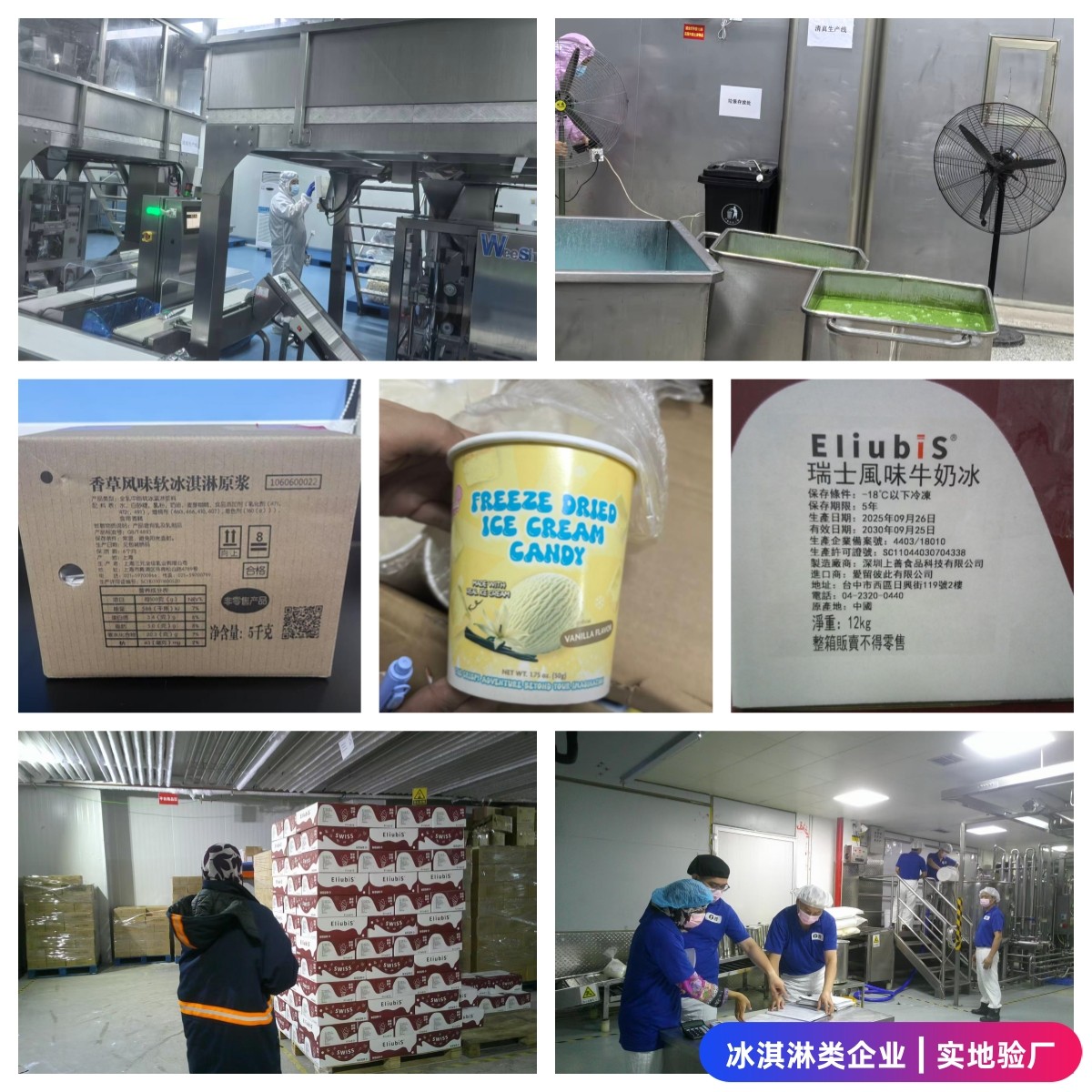
Compliance is the bottom line, trust is gold.
For the worldFor 1.5 billion Muslim consumers and non-Muslims who value ethical consumption, halal certification is not only a religious requirement but also a guarantee of quality and purity. The report shows that the manufacturing process of halal food must comply with Islamic law, raw materials (such as gelatin, emulsifiers, and colorings) must be sourced from halal-certified regions, and the entire production environment must be free from contamination.。
Taking Indonesia and Malaysia as examples, strong government regulations require imported food to have halal certification. This not only enhances consumer trust but also facilitates the entry of products into mainstream channels such as supermarkets and hypermarkets."Admission Ticket"Without authentication, evenShelvesNo one can get up there.
In addressing certification challenges, the value of professional consulting becomes apparent.
However, obtaining halal certification is not an easy process. Many manufacturers face challenges: the certification process is lengthy and requires extensive paperwork; standards vary between certification bodies in different countries, which can easily lead to confusion; and for small and medium-sized enterprises, the certification fees and auditing processes can be a huge burden.。
This is precisely where professional consulting firms come in.usNot only does it help factories streamline their raw material supply chains,Ensuring compliance with key ingredients such as gelatin and flavorings, and guiding companies to establish production systems that comply with halal regulations to avoid...The risk of cross-contamination between "halal" and "non-halal" products.
04 Beyond the Finished Product: A "Golden Opportunity" for Upstream Ice Cream Powder
At a time when ice cream exports are boomingcleverEntrepreneurs should not ignore the upstream of the industrial chain——Ice cream powderMilk powder, butter, vegetable oil, etc.Huge business opportunities.
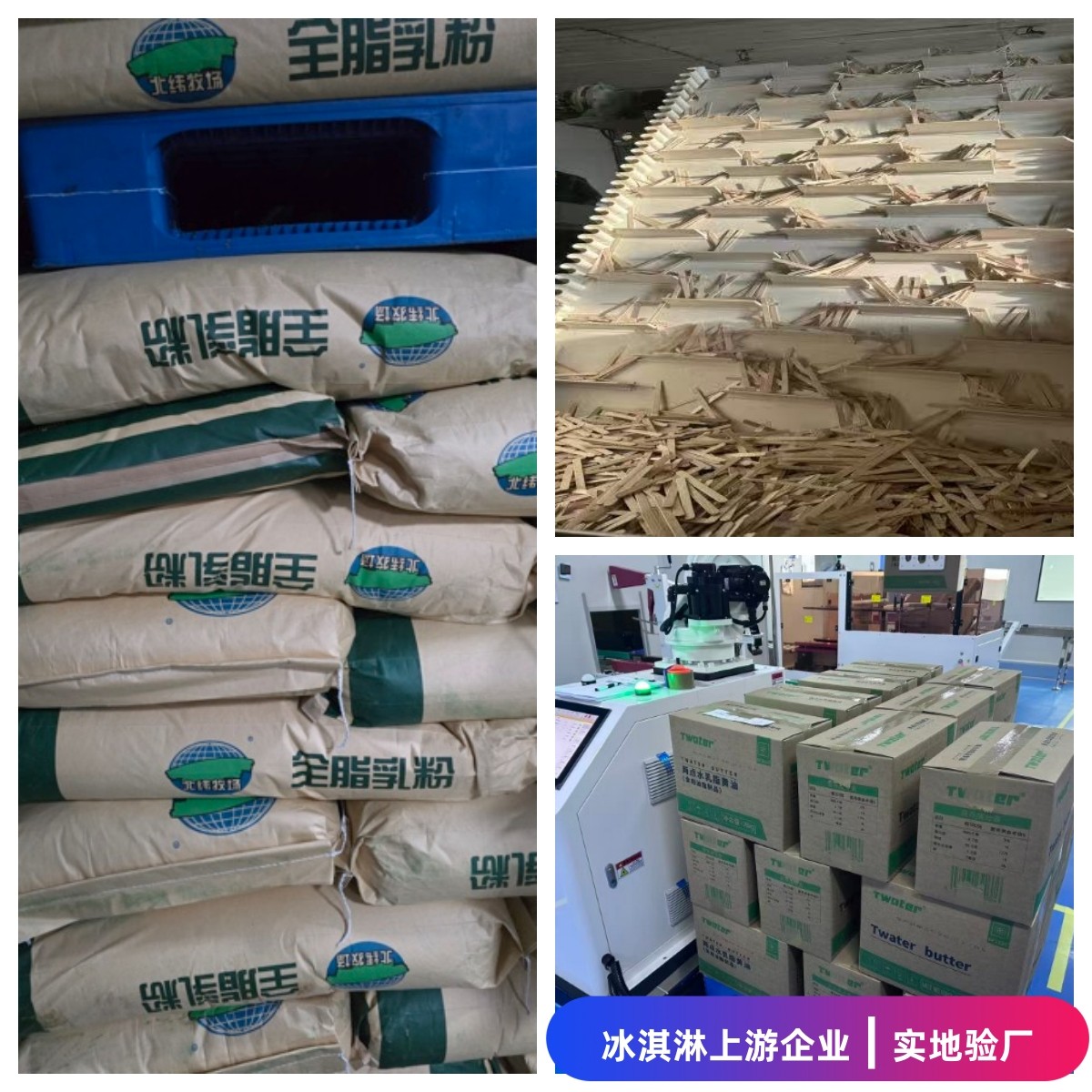
Why do upstream supply chains also need certification?
1、Localized production for cost reduction and efficiency improvement: Many overseas importers (especially in the Middle East and Africa) prefer to import ice cream powder from China and carry out bottling and production locally in order to avoid high cold chain transportation costs and tariffs.If your ice cream powder has Halal certification, you will become the preferred supplier for these overseas factories.
2、The rigid demand of the supply chain: According to the strict regulations of the halal market, the halal attribute of the final product depends on the halal nature of all raw materials. Large multinational dairy companies, such as...When procuring raw materials, Lactalis and Danone require their upstream suppliers to provide halal certification to ensure the compliance of their own products.Therefore, having certified ice cream powder, compound stabilizer, and flavor and fragrance factories will enable companies to integrate into the supply chains of the world's leading food giants.
3、Seizing the technological high ground: With the advancement of science and technology, utilizing Raman spectroscopy,DNA technology for verifying the origin of raw materials has become a trend. The halal certification process also presents an excellent opportunity to force upstream factories to establish more comprehensive quality traceability systems and enhance product competitiveness.。
In conclusion
From convenience stores in Southeast Asia to supermarkets in the Middle East, Chinese ice cream is melting down cultural barriers.LinkGlobal Market. For Chinese ice cream and upstream supply chain companies, summer brings not only heat waves, but also the best opportunity to test production capacity and expand overseas.
Your product is closer to Muslims worldwide."Sweet freedom" is just one certification away. If you are interested in ice cream and...Ice cream ingredientsofFor any questions regarding the Halal certification process or specific certification rules for target markets (Indonesia, Saudi Arabia, UAE, Africa), please feel free to contact us. As a professional Halal certification consulting agency, we provide a one-stop service from formula review and factory rectification to overseas certification coordination, helping you achieve global sales success.!