
Despite the landmark passage of the 1938 Federal Food, Drug, and Cosmetic Act...
Indonesian SNI certification for electric fans
2026-03-27
Fans are an essential appliance in almost every household. They circulate air, providing a cool and comfortable environment, and therefore play an important role in daily life.
But did you know that electric fans must undergo relevant certifications before entering the Indonesian market to ensure their safety and quality?
That's right! Because fans are electrical products that carry certain risks, they need to be tested and evaluated to verify their safety performance and further ensure consumer safety.
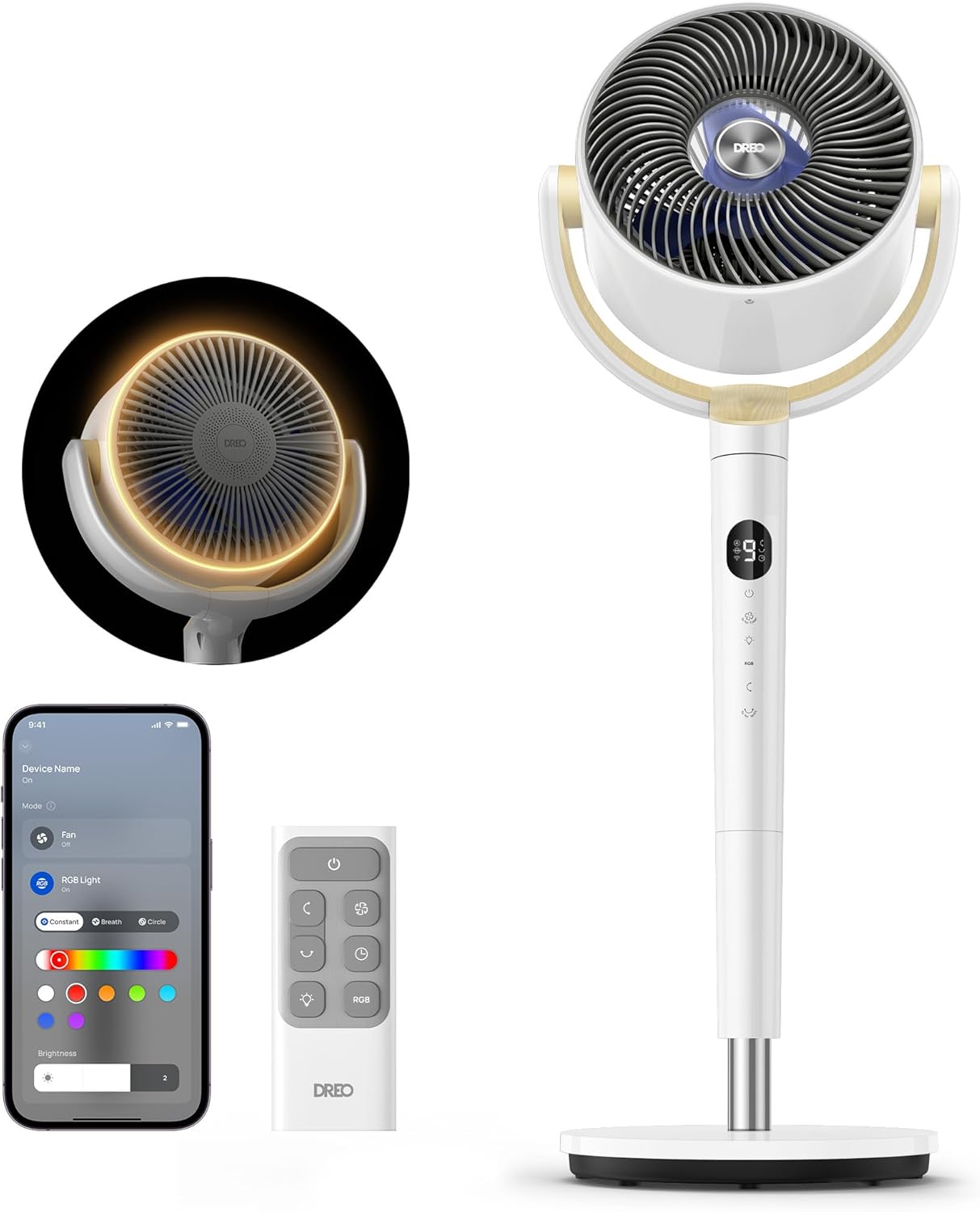
Indonesian electric fan SNI certification
The Indonesian standard SNI 7609:2011 clearly specifies the certification requirements for electric fans. This standard is derived from the internationally recognized IEC 60335-2-80, reflecting its consistency with global safety standards.
This certification is one of the mandatory certifications required for products that will be sold in Indonesia.
Let's take a look at some key points of this certification:
Scope of application:
This standard applies to electric fans used in homes or similar environments. For single-phase devices, the rated voltage shall not exceed 250V; for other devices, the rated voltage shall not exceed 480V.
Fan type:
There are many types of fans on the market, and this certification covers a variety of types, including but not limited to:
ceiling fan
table fan
Duct fan
Exhaust fan
Other similar products
Safety priorities:
This standard mainly focuses on the following safety requirements:
Electrical safety
Mechanical safety
Fan stability and rigidity
Core safety requirements for electric fans
As mentioned earlier, electric fans need to pass the following three safety tests to obtain SNI certification.
1. Electrical safety
First is the electrical safety of the fan. This part is crucial for ensuring product safety and preventing electrical accidents.
Fans certified by SNI must have electrical components with good insulation to prevent users from being shocked.
In addition, electrical safety also includes overcurrent protection for fans. Overcurrent can damage equipment, melt wiring, and even cause a fire.
At the same time, the wiring and connection methods of the fan must also meet safety requirements to minimize the risk to users.
2. Mechanical safety
Secondly, the mechanical safety of the fan mainly includes the following aspects:
Blade fixing:
Fan blades need to be securely installed and able to withstand the centrifugal force generated during operation. Loose blades may cause injury to the user.
Sharp edges and protruding parts:
The surface of the fan should be smooth and free of sharp edges or protrusions to avoid scratching or puncturing the user during use.
Structural rigidity:
Electric fans that are certified by SNI must have a stable and robust structure to ensure that they are not easily deformed or damaged during normal use.
Control components:
The switches and controls on the fan also need to undergo strength and reliability testing. If the control components are loose or malfunction, it will affect the safety of the product and the user experience.
3. Stability
Finally, there's the stability of the electric fan.
This mainly includes the fan's anti-tipping ability, that is, whether the product can remain stable during operation and is not easily tipped over due to its own weight or external force.
If the fan is not stable enough during operation, it may not only injure the user, but also easily cause the equipment to fall or be damaged.
For fans installed on walls or ceilings, SNI certification also focuses on the strength and stability of the installation system to ensure safe use.