Despite the landmark passage of the 1938 Federal Food, Drug, and Cosmetic Act...
Halal skincare products: a promising market with increasingly stringent regulations
2026-04-03
Halal skincare products are emerging as a rising star in the cosmetics industry.Its consumption scale in 2022 has alreadyDaWith a market value of $5.4 billion and forecasts of continued growth, Indonesia is not only the world's second-largest consumer market but also has the potential to become a global hub for halal skincare production and innovation. This is especially relevant given the mandatory halal regulations in October 2026 and the growing trend towards self-care.,Halal skincare is no longer just a trend, but a new standard in modern lifestyles.
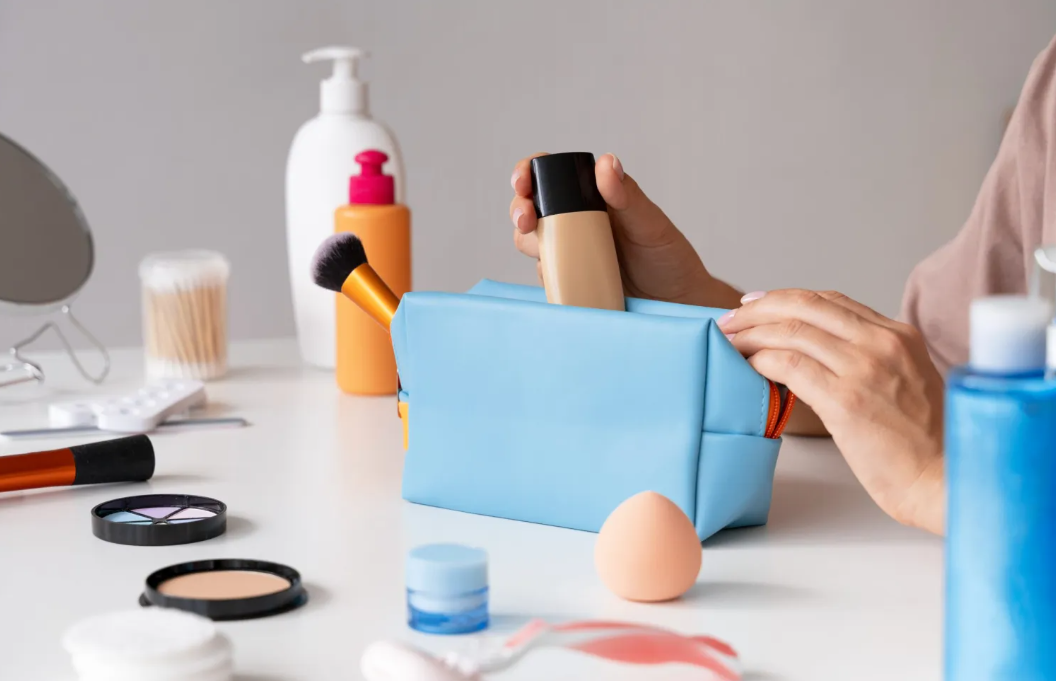
The consumption trend of halal cosmetics in Indonesia continues to grow, demonstrating significant potential in the global market.The "2023/2024 Global Islamic Economy Status Report" shows that Indonesia is the world's second-largest consumer of halal cosmetics, with spending reaching US$5.4 billion in 2022. This figure is expected to continue to rise as public awareness of the importance of safe and Islamic-compliant products increases.
According to Indonesian Consumer News and Business Channel (cnbcindonesia.com(quoted)The Indonesian cosmetics industry is projected to reach a market size of US$9.17 billion in 2024, with an average annual growth rate of 4.02%. This growth is primarily driven by increasing public awareness of self-care, as well as industry trends such as natural products, halal products, and technological innovation. This expanding market also benefits from the growth of small and medium-sized enterprises (SMEs) and the increased convenience brought by e-commerce.ofMarket access.
This phenomenon is particularly evident in the proliferation of skincare products on various online platforms. These products not only come from...IndonesiaWith both domestic and overseas manufacturers, consumers have increasingly convenient access to products. While this accessibility brings significant advantages, it also presents new challenges, particularly regarding product safety and halal compliance. Without strict regulation, consumers may end up purchasing substandard products, whether in terms of ingredients or manufacturing processes.
Director of the Cosmetics Regulatory Division of the Indonesian National Agency for Drug and Food ControlI Gusti Ngurah Bagus Kusuma Dewa emphasized that although halal certification is not the primary responsibility of the National Drug and Food Control Agency (NDA), it still plays a role in post-market surveillance. The agency tests cosmetics containing animal-derived ingredients to verify the presence of porcine DNA. He explained, “If testing reveals that a halal-certified product contains porcine DNA, the NDA can take further action in accordance with existing regulations, especially those related to product ingredient compliance.”
On the other hand, according toIndonesiaNo.Article 161, paragraph (1) d of Government Ordinance No. 42/2024 stipulates that mandatory halal certification for cosmetics has been incorporated into the regulatory requirements. The Ordinance stipulates that mandatory halal certification for cosmetics, chemical products, and genetically engineered products will be implemented in phases, from October 17, 2021 to October 17, 2026. This means that after that date, all cosmetics must obtain halal certification unless the product explicitly states that it contains non-halal ingredients.
As a key party involved, the Halal Products Assurance Agency (The Halal Product Assurance Agency (SJPH) is currently developing implementation guidelines specifically for halal certification of cosmetics. Mamat Salamet Burhanudin, Deputy Head of Halal Registration and Certification at SJPH, explained that these guidelines will be based on the principles of the Halal Product Assurance System (SJPH).
Mamat stated, "Business operators must commit to maintaining the halal status of their products from raw material selection and production processes to the final product. Furthermore, product names must not use words that contradict Islamic teachings or customary norms. We must also conduct ongoing assessments to ensure halal integrity is guaranteed."
Jacob's Star BP Cosmetics Factory Audit
With continued market growth and increasingly stringent regulations, halal skincare products will no longer be just a trend, but will become a staple in the cosmetics industry.middleEach participantAllThese are new standards that must be met. For consumers, this provides a guarantee of safety and peace of mind when using personal care products; for manufacturers, adhering to halal standards will be crucial in an increasingly competitive market.Survival and maintaining an advantageThe key.