Despite the landmark passage of the 1938 Federal Food, Drug, and Cosmetic Act...
In-depth analysis | From "passive adaptation" to "proactive leadership": How can Chinese vegetable oils leverage Kosher and Halal certifications to tap into the global market?
2026-04-03
A new track for grain and oil exports: HalalandKosher certification has become a necessity.
China is the world's largest consumer of edible oils and importer of oilseeds, as well as a major producer and exporter of vegetable oils."The world's factory." From its early heavy reliance on imported soybeans and palm oil to its current global dominance of sunflower oil, corn oil, and peanut oil, China's vegetable oil industry has completed a leap from "meeting domestic demand" to "global competition" in just thirty years. However, as international grain and oil trade enters an era of competition for existing market share, price and quality are no longer the sole deciding factors—Halal and Kosher certifications are rapidly evolving into key technologies for Chinese vegetable oils to penetrate the Middle East and Southeast Asia.andEuropean and American markets"The Core Golden Key." This article, drawing on the history of China's import and export of grains and oils with the international market, deeply analyzes the strategic value of these two certificates, pointing out the path to upgrading for vegetable oil exporting enterprises.
one, Thirty Years of Grain and Oil Trade: From One-Way Dependence to Full-Scale Overseas Expansion
1990Year——2000YearPassive adaptation to international rules
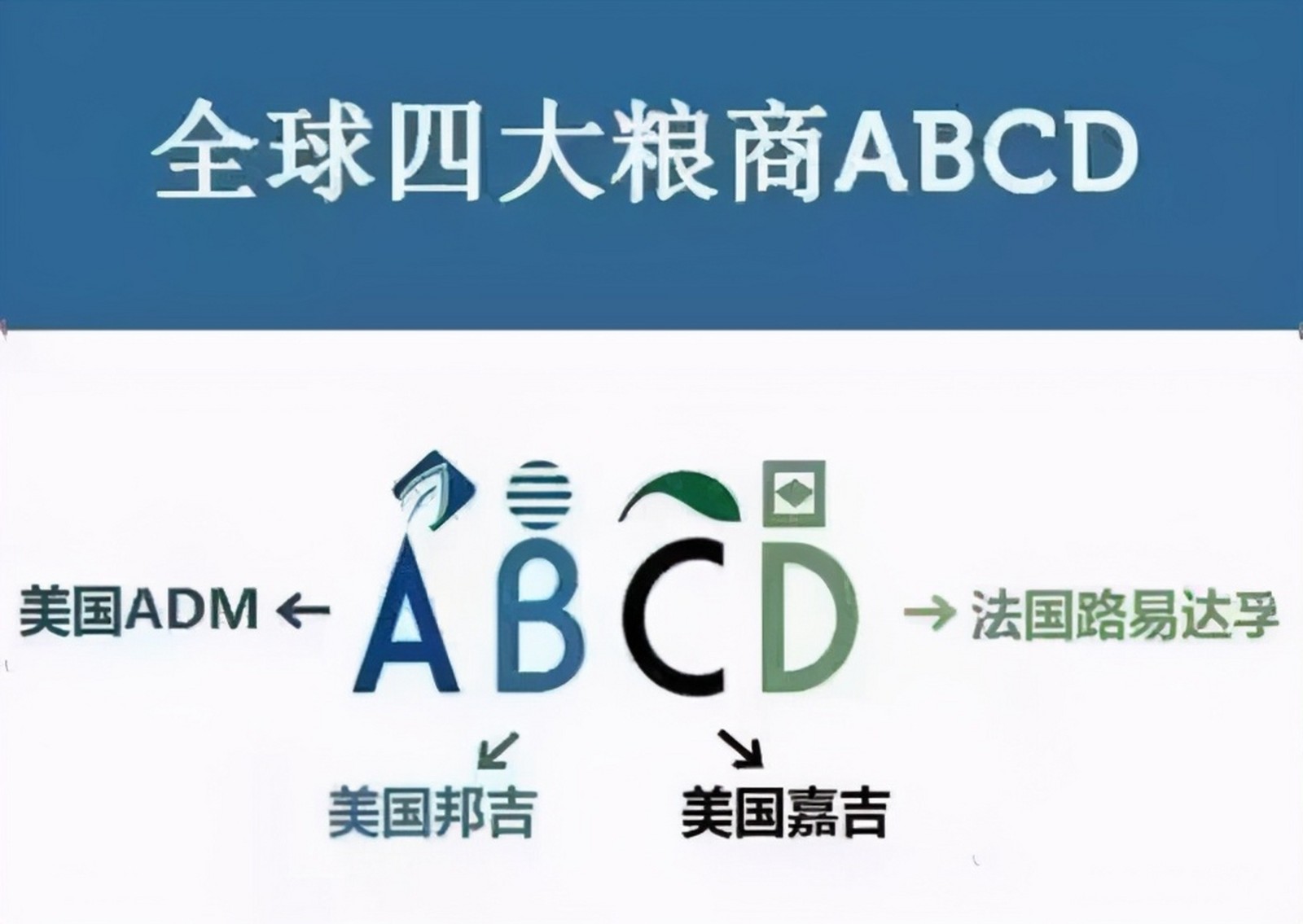
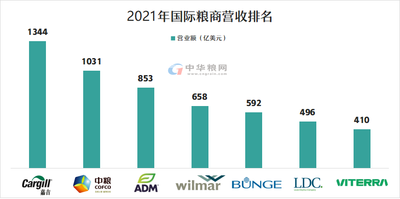
China joinsBefore and after China's entry into the WTO, the four major international grain traders entered the domestic market, and local oilseed companies mainly played the role of "processors"—importing raw materials such as soybeans and rapeseed, and exporting crude oil or virgin oil. At that time, multinational corporations required upstream suppliers to have Halal or Kosher certifications, and domestic companies "passively obtained certifications for the sake of orders," unaware of the market bargaining power behind the certifications. However, this history enabled large coastal oil mills to initially establish the hardware foundation that met international religious food standards.
2010Year——2020YearCapacity upgrade and brand awakening
China's domestic refining technology has advanced by leaps and bounds, transforming it from a raw material importer into a major exporter of refined oil products. Sunflower oil exports to Europe have surged, while corn oil and rice bran oil are expanding into the high-end markets of Japan and South Korea. More and more companies are proactively seeking to understand...Halal and Kosher certifications are widely accepted, but most companies view them as a bonus rather than a necessity. However, escalating international trade frictions and rising consumer demands for supply chain transparency are forcing companies to re-evaluate the strategic importance of certifications.
2021 to present: Standards equal discourse power
The global supply chain has been restructured following the pandemic, with Middle Eastern and Southeast Asian countries raising import barriers for food and the EU implementing stricter traceability regulations. Chinese companies seeking to break free from these barriers face significant challenges.The label of "low-cost raw material supplier" must rely on authoritative third-party certification to establish a trust barrier. Halal and Kosher certifications are no longer simply about religious compliance, but rather international passports for high quality, clean production, and complete supply chain control. ChinaGrains and oilsThe station has been reachedA new juncture of "proactive leadership".
two, Halal certification: A "passport of faith" to tap into the 2 billion Muslim market.
Many vegetable oil companies have a misunderstanding, believing that"Vegetable oils come from plants, so they are natural."“Halal”.butyes,internationalityHalal certification bodies (such as MUI, JAKIM, IFANCA, etc.) have extremely strict auditing standards, focusing on the following three core areas:
Raw material traceability: Is the leaching solvent non-standard?The source of Halal, whether it contains any animal-derived ingredients;
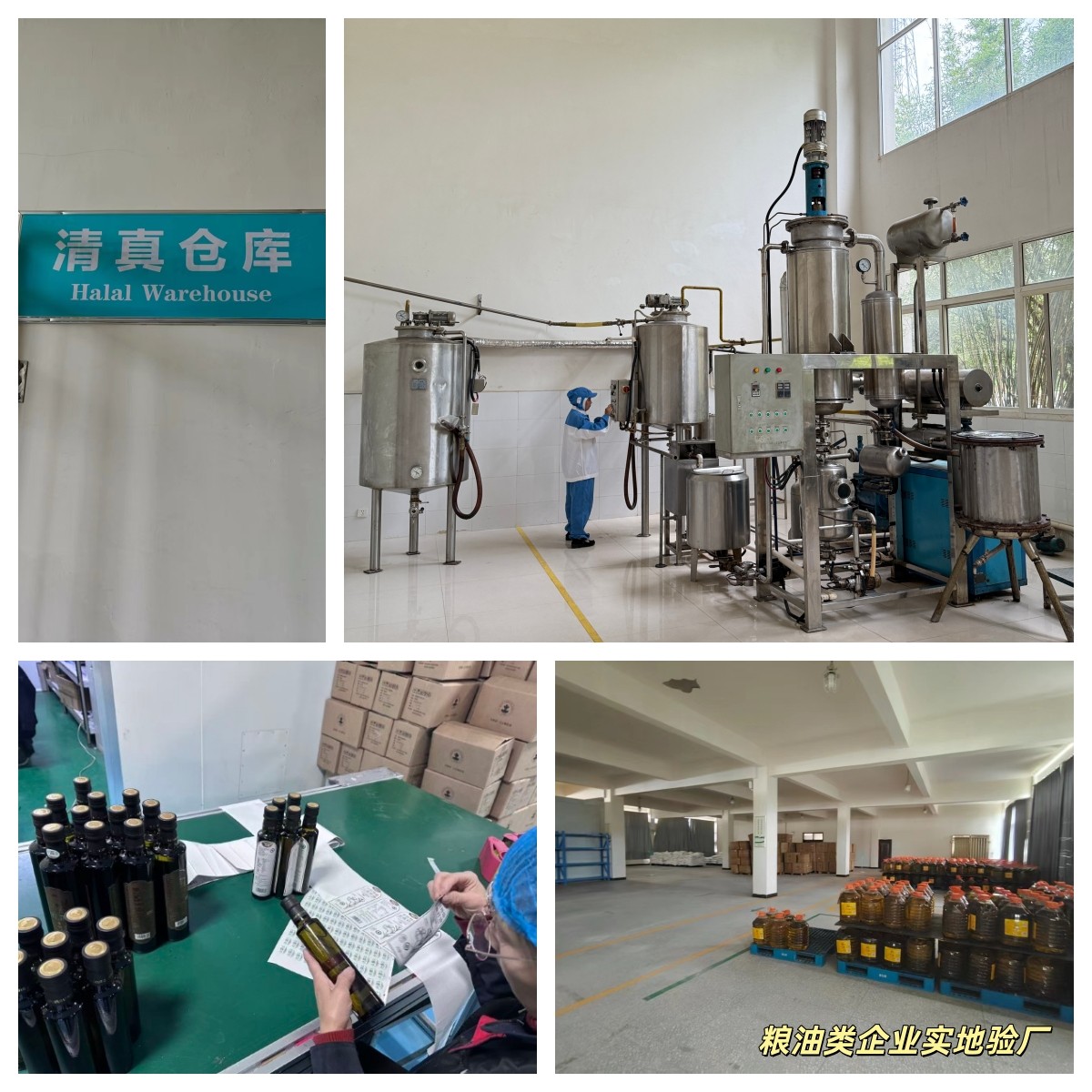
Production process isolation: If the refining workshop has processed non-Halal oils (such as blended oils containing animal fats produced using the same equipment) must be thoroughly cleaned and purified, and isolation procedures must be established.
Additives and Packaging Materials: Bleaching clay, filter aids, and even packaging lubricants must comply with regulations.Halal specification.
Market demand datashow,Global Muslim populationaboutThe halal food market is estimated to reach $9 trillion by 2030, with an initial investment of $2 billion. The Middle East (Saudi Arabia, UAE, Kuwait) imports over [amount missing] of vegetable oil annually.HundredTens of thousands of tons, and Southeast Asian Muslim countries (Indonesia and Malaysia) are not only major palm oil producers, but also huge re-export and consumer markets for sunflower oil and soybean oil. None.Halal-certified Chinese vegetable oils are unable to enter mainstream supermarkets, airline catering, and government procurement lists in the local market.
With the help ofAs cooperation under the Belt and Road Initiative deepens, trade facilitation between China and Islamic countries continues to improve. However, Halal certification is both a basic requirement and a stepping stone to higher profits. Companies with authoritative Halal certificates have a higher order acquisition rate, given the same price.Greatly improvedAnd can avoid customs targetingStrict inspections of "suspected non-halal" items shorten customs clearance time.
three, Kosher Certification: A "Quality Passport" to the High-End Markets of Europe and America
Kosher certification originates from Jewish dietary guidelines, but its influence has long transcended the religious realm, becoming synonymous with "purity, rigor, and safety" in the global food industry. For vegetable oils, the value of Kosher certification is reflected in three dimensions:
High-end retail andB2B Entry Tickets: Large European and American supermarket chains (such as Whole Foods and Costco) and food giants (Nestlé, Kraft Heinz, and Unilever) will be KosherCertificationThese are listed as mandatory requirements for suppliers. If Chinese sunflower seed oil and organic soybean oil want to enter these channels,The Kosher logo is an essential identifier.
Eliminating cross-contamination forces us to pursue excellent quality control:In the Kosher system, if a production line has processed animal fats or non-Kosher oils, it must undergo a strict "Kashering" (cleaning) procedure. This implicitly prompts companies to establish a high standard of clean management, with trans fatty acid control and equipment cleanliness surpassing that of ordinary factories.
Consumer trust premium: Market research in Europe and the United States shows that more than40% of consumers believe that Kosher certification represents "cleaner and higher quality," and even non-Jewish consumers prefer food products bearing the Kosher label. Certified companies can command a premium of 8% to 15% over similar products, completely eliminating the need for price competition.
Special note:The Kosher mark is an essential qualification for accessing the Michelin restaurant supply chain and high-end baking ingredient warehouses.
Four, A convergence of historical opportunities: Why is now the best window of opportunity for vegetable oil companies to obtain licenses?
Looking back, China's vegetable oil exports were once due to...The "low-price, homogenized" product strategy has faced anti-dumping investigations in multiple countries and has also failed overseas due to quality issues of individual companies. Currently, global inflation is high.riseEuropean and Middle Eastern buyers are urgently seeking partners who offer both cost-effectiveness and a stable supply, while Chinese edible oil companies possess a complete industrial chain and ample production capacity. This situation, coupled with...Halal/Kosher dual certification will enable a qualitative shift from a "price war" to a "value war".
✅ Three major historical driving forces
• Increased non-tariff barriers: Some importing countries have increased the sampling rate of common vegetable oils, while Halal/Kosher certification can achieve fast customs clearance by virtue of its international credibility;
• Localization of supply chains for major international brands: When purchasing raw oils in China, multinational food companies require suppliers to hold continuously valid halal/kosher certifications;
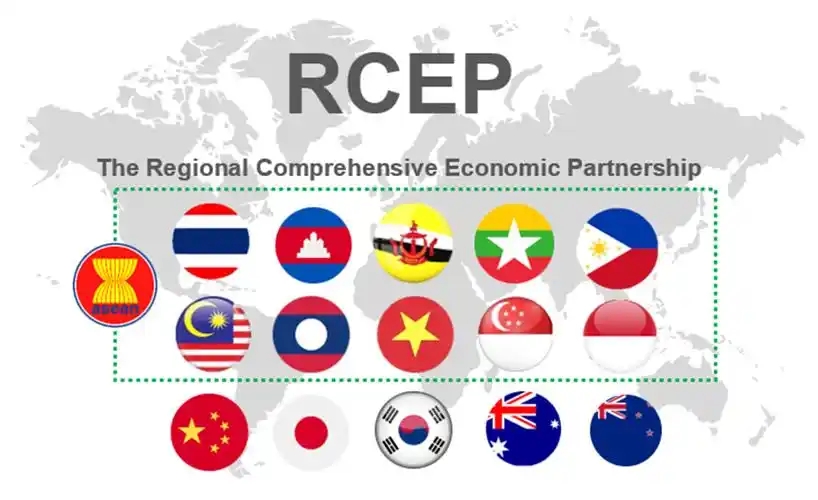
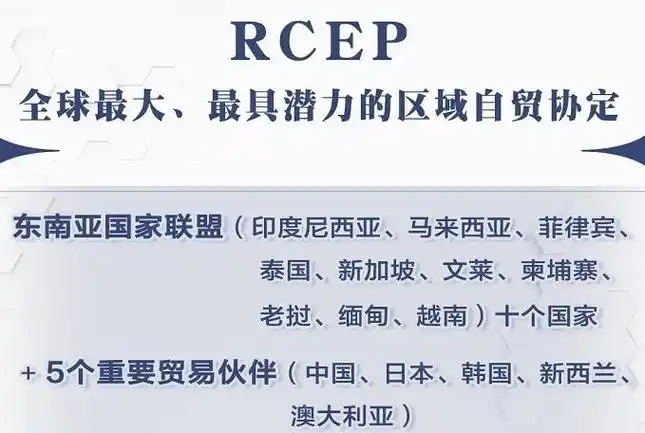
• RCEP (Regional Comprehensive Economic Partnership Agreement))And the benefits of the Middle East Free Trade Agreement: With tariff reductions, certification has become a key variable in determining success at the end consumer level. Companies that complete dual certification first will gain a first-mover advantage in emerging markets.
five, Professional empowerment: Let the fragrance of fine Chinese oils spread throughout the world.
As a professional consulting firm with deep expertise in international religious food certification, we are well aware of the challenges in auditing vegetable oil refining processes.—From solvent residue control in the leaching workshop and the impact of deodorization temperature on "cleanliness" attributes, to cross-contamination prevention measures, every detail determines the success or failure of the audit. We not only help companies "obtain the certificate," but also provide end-to-end system optimization:
Preliminary assessment: Benchmarking against international standardsMainstream Halal/Kosher standards (MUI, JAKIM, OU, OK, etc.),Issue a rectification list;
Process modification guidance: Propose low-cost modification solutions that meet cleanliness requirements for decolorization, dewaxing, and deodorization processes;
Establishing a traceability system: creating a halal traceability system from raw materials to finished products./A kosher food traceability system to address on-site factory inspections;
International Market Connections: Helping companies establish mutual trust and certification with major importers in the Middle East and North America, and accurately match buyer needs.
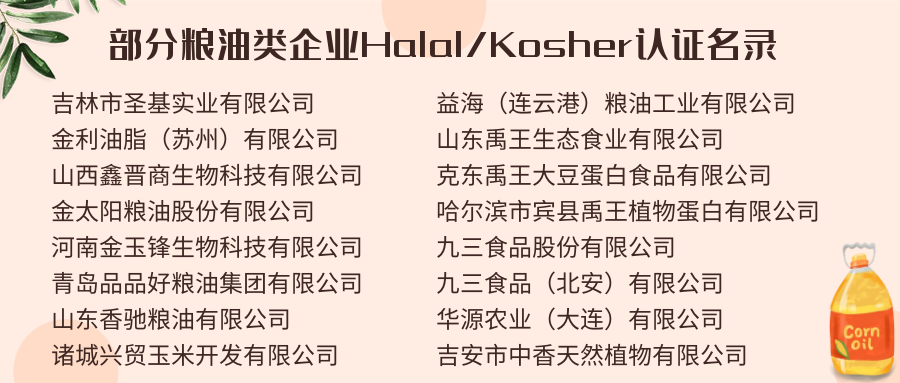
Our vegetable oil clients cover soybean oil, sunflower oil, corn oil, rapeseed oil, peanut oil, and other fields, assisting...manyThe company has obtained international authoritative certifications and expanded its export footprint to markets such as the UAE, Saudi Arabia, the United States, Germany, Israel, and Indonesia.
Seize the global market opportunity, starting with an authoritative certificate.
If you are planning to expand into overseas markets or wish to overcome existing export bottlenecks, please contact us immediately. We will tailor a solution for you.Halal & Kosher dual certification solutions help companies gain international recognition at the lowest cost and in the fastest time, making "Chinese oils" a synonym for high quality and trustworthiness.