
Despite the landmark passage of the 1938 Federal Food, Drug, and Cosmetic Act...
Seize the blue ocean opportunity: Now is the perfect time for Chinese canned fruit to obtain Kosher certification!
2026-04-10
As of In 2025, the global Kosher food market was estimated to be between $35.5 billion and $47.7 billion, with the latest estimates from mainstream authoritative institutions ranging from $40 billion to $45 billion, representing a compound annual growth rate (CAGR) of approximately 6.1% to 9.3%, making it a rapidly growing food segment. More importantly, an increasing number of non-Jewish consumers are viewing Kosher certification as a symbol of high quality and food safety. Just recently, several companies in Suzhou, Anhui Province, contacted our company again to discuss their annual Kosher certification. Their 24/7 production lines extend the "one fruit" into a "chain," bringing Chinese canned fruit to tables worldwide. In 2025, China's total exports of canned fruit reached 645,100 tons, exported to 153 countries and regions, including the United States, Japan, and Germany. This promising situation confirms that Kosher certification is indeed a "key" to helping Chinese canned fruit further expand into the international high-end market.

1. Canned Fruit: NaturalKosher Friendly Products
Canned fruit is particularly suitable for applicationKosher certification stems from its inherent category advantages.
Most fruits (including pineapple) belong to"High-acid foods" (pH below 4.6) require heat during processing only to kill microorganisms, unlike meat products which undergo complex "Jewish cooking" methods. Canned fruit itself contains no meat or dairy products, classifying it as a neutral food (Pareve/Parve) that can be eaten with any type of food, giving it a natural advantage in the Kosher classification system.
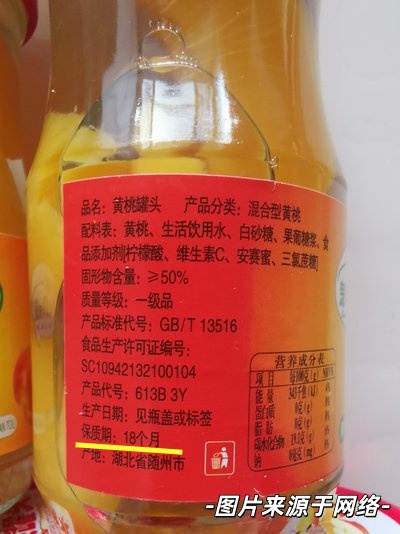
Even more noteworthy is that canned fruit perfectly caters to global consumer demand.The demand for "long-term food reserves" is growing. Sealed packaging and high-temperature sterilization give canned fruit a shelf life far exceeding that of fresh food—when properly packaged, canned fruit can last 12 to 18 months compared to traditional fruit, and under optimal storage conditions, it can remain safe for consumption for even longer. In some parts of Europe, canned foods are listed as recommended emergency stockpiles, their ready-to-eat nature being especially valuable in extreme conditions. This is a highly attractive selling point for overseas consumers who prioritize food safety and long-term storage.
two,Kosher Certification: A New Engine for Chinese Canned Fruit Exports
GetKosher certification is more than just adding a logo to product packaging. For my country's canned fruit exporters, it's a key to unlocking multiple layers of commercial value.
Opening up high-end channels in Europe and America:The United States is the world's largestKosher food markets are ubiquitous, with many mainstream supermarkets such as Walmart and Costco having dedicated Kosher sections. Kosher certification is widely regarded by overseas consumers as a third-party endorsement of product quality and safety, and companies that obtain certification often gain more bargaining power and a stronger sense of trust in export negotiations.
Expanding the boundaries of consumption:More and more non-Jewish consumersThis includes consumers who prioritize health, food safety, and ethical consumption—actively choosing products bearing the Kosher logo. This means that once fruit canning companies obtain Kosher certification, they will reach not only Jewish consumers but also the entire international market that values a high-quality lifestyle.
The return on investment is considerable:The application process for Kosher certification typically takes between one and a half to two months, which is not a significant hurdle for most companies. Certification fees vary depending on factory size and product complexity, but the returns from market growth far outweigh the certification costs.
III. Canned FruitKosher Certification: These Important Notes Must Be Read
Additives are the biggest hurdle in the review process.
Although water, salt, and sugar usually do not causeWhile Kosher certification is an issue, canned fruit containing sensitive additives such as fruit juice (especially grape juice, which is ineligible for certification), colorings, and flavorings must have their compliance reviewed item by item. Any additive that does not meet Kosher standards may result in certification failure. Certification bodies will review all source documentation for raw materials and Kosher certificates for additives.
Equipment purification must comply with regulations.
NoBefore initial use, Kosher equipment requires a kosher purification process under the supervision of a rabbi, commonly using methods such as high-temperature scorching and boiling water rinsing. During production, the equipment must be cleaned regularly to prevent contamination from residues, paying particular attention to concealed areas such as pipes and valves. Meat and dairy products cannot be produced simultaneously on the same production line and must be strictly separated from neutral foods; they cannot be mixed during production.
On-site verification is a mandatory step.
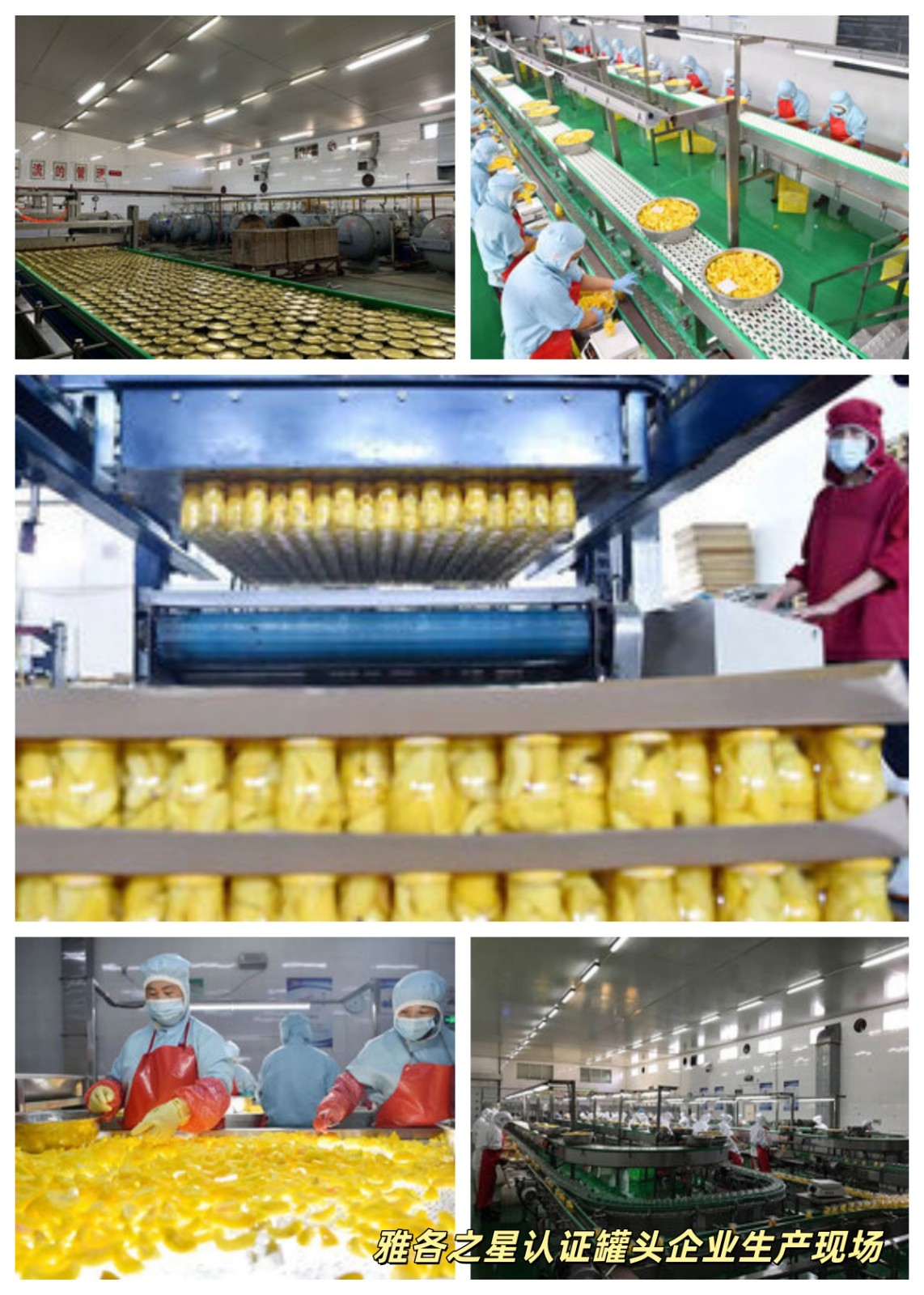
The certification body will assign experienced kosher rabbis or inspectors to conduct on-site factory inspections, verifying all raw materials, reviewing the entire production process, checking the cleanliness of equipment, and assessing whether the entire production environment meets kosher requirements. For fruit canning companies, whether the factory layout and cleaning processes meet kosher requirements is a key focus of the audit.
Continuous compliance is a long-term task.
Certification is not a one-time event; certification bodies conduct random audits from time to time, and a comprehensive review is required annually. Any changes to raw materials, formulas, or processes must be reported to and approved by the certification body in advance.
Packaging label usage must be standardized
Once certified, a company is authorized to use the certification body's proprietary logo on its product packaging.The Kosher logo can be used, but it must be used strictly in accordance with the certification agreement—it can only be used on specific certified products, and the printing position, size, and color of the logo must meet the requirements and cannot be modified without authorization.
We are taking action to support fruit canning companies.
As a professionalAs a Kosher certification consulting service provider, we have in-depth knowledge of the characteristics and certification requirements of canned fruit. Leveraging our comprehensive "certification + consulting + coaching" service system, we help companies significantly shorten the certification cycle and greatly improve the certification success rate through standardized and professional process management. We have helped numerous food companies successfully obtain Kosher certification and expand into overseas markets.
China's canned fruit exports are booming globally.The Kosher food market is booming. With increasing awareness of food safety, the trust premium brought by Kosher certification will translate into tangible market returns. Let's take action now and let Chinese canned fruit, carrying the "quality passport" of Kosher certification, reach a wider world stage!
Contact us now to get your personalized...Kosher certification program and pricing. Let Chinese canned fruit shine even brighter on the world stage!