
Despite the landmark passage of the 1938 Federal Food, Drug, and Cosmetic Act...
Common Misuses of the HALAL Certification Mark
2026-04-10
Many companies believe that as long as there is oneA HALAL certificate and a sticker are all you need to do.
In fact, incorrect marking = invalid certification = goods seized./Removed from shelves/Fined.
Today I've compiled the most common and easiest ways to fall for these tricks.Six common usage mistakes, all based on real-world business experiences. Read these examples to avoid 90% of the risks!
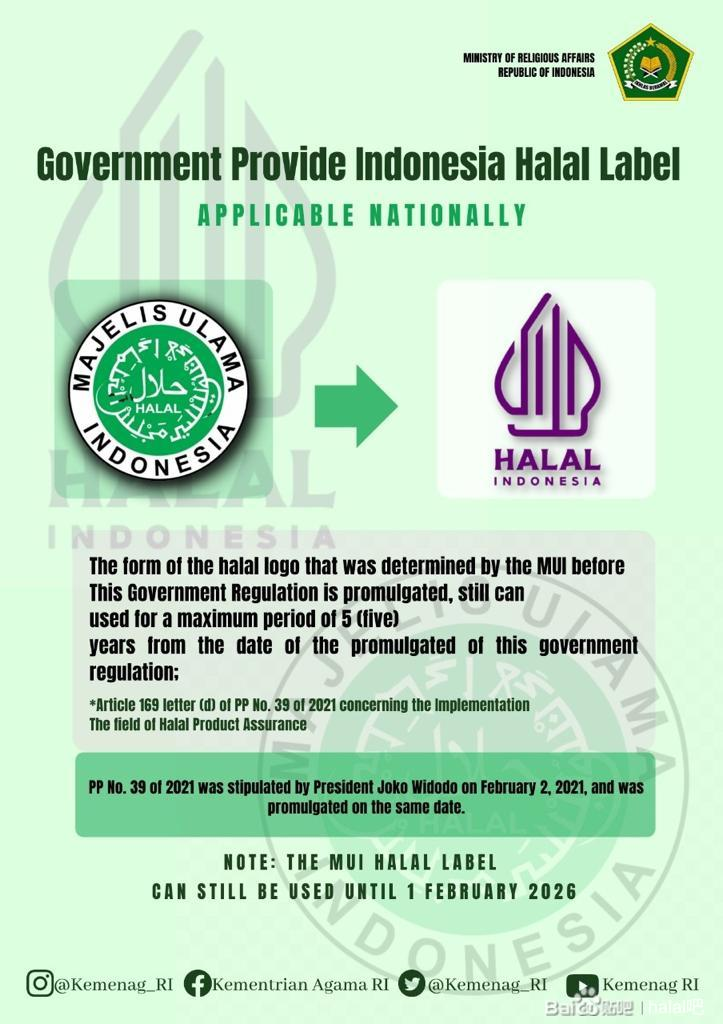
Case1. The Indonesian market still uses the old MUI green logo.
×Incorrect behavior: Exporting to Indonesia, still using the old packaging. MUI green HALAL logo.
as a result of:
Starting in October 2026, mandatory certification will be implemented for food, beverages, pharmaceuticals, health products, genetically engineered products, cosmetics, and chemical products. The old logos will no longer be officially recognized, and these products will fail customs inspections and be unable to be sold on shelves.
√ Correct approach:
Indonesia must be used BPJPH's new purple national HALAL logo.
Case2: Non-JAKIM system markings are used in the Malaysian market.
×Incorrect behavior: Randomly choosing any organization to do it HALAL, bearing a label not approved by JAKIM, is exported to Malaysia.
as a result of:
Malaysia only recognizes certain products JAKIM system certificates may become invalid if not confirmed in advance.
√ Correct approach:
Export to Malaysia → Use the JAKIM accreditation mark authorized by the client, as required by the client (be sure to confirm the certificate and mark with the client repeatedly).
Case3. Under domestic policies, the halal label is widely used.
×Error: Downloading unknown software from the internetUnauthorized or excessive use of the word "halal" in the logo
Consequences: The market supervision administration inspected the products, removed them from the shelves, and even destroyed them.
√ Correct approach:Domestically, only specific markets allow specific products (Products in categories three ("meat, dairy products, and oil") must bear the words "Halal," and no organization's logo or use of the term "Halal" beyond its permitted scope is allowed (please be sure to verify with the certification body).
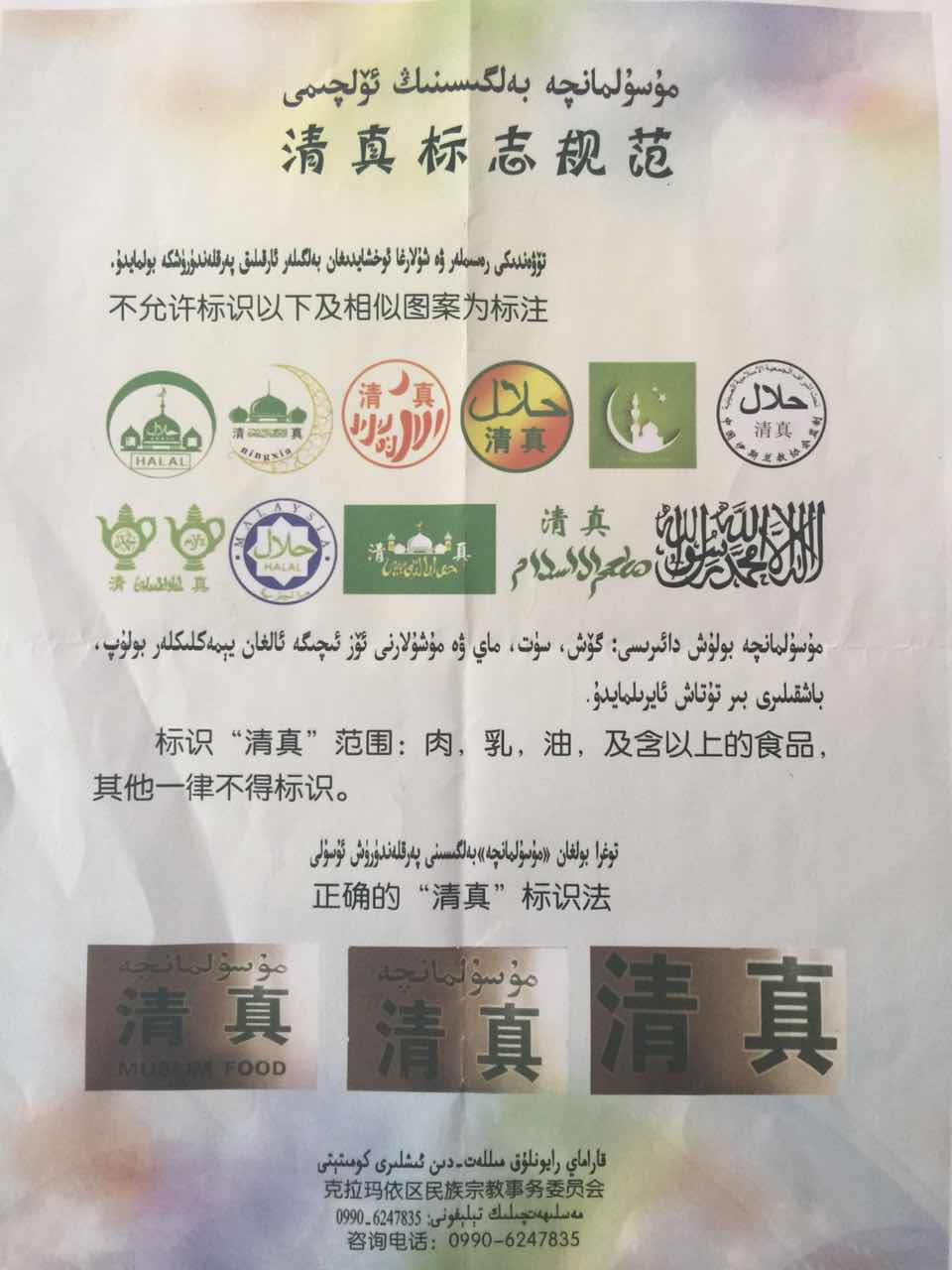
Case4. Handling Party AmechanismCertificate,butsetUse Bmechanismlogo
× Wrongdoing: The certificate is issued by organization A, but the packaging bears the logo of organization B, or the logo of a well-known organization is stolen online.
Consequence: Inconsistent information between the markings and certificate will lead to customs inspection.100% of the goods were seized, suspected of being falsely certified, posing an extremely high risk.
√ Correct practice: Use the logo of the issuing authority for each certificate, ensuring a one-to-one correspondence.
Case 5The certificate has expired, but the old logo is still being used.
× Wrongdoing: Certificates expired but not renewed, labels on packaging not changed or removed, and sales continued.
Consequences: It will be considered an invalid certification or false labeling, and will be ordered to be removed from the market and fined if it is inspected by market regulators.
√ Correct practice: Before the certificate expires 3 -4Renewal of the certificate is required within one month; the certificate will cease to be used immediately upon expiration.
Case 6Only some products are certified; the entire series is labeled.HALAL logo
×Incorrect behavior: Only giveThey get certification for one product, but then put the same logo on all their other products.
Consequence: This constitutes use beyond the permitted scope.The HALAL logo will fail the review and face severe penalties.
√ Correct practice: Only certified products can be labeled; new products must be certified separately.。
Summary: Businesses must remember 3 Ironclad Rules!!!
1. Use the official logo of the country you export to; they are not interchangeable or substitutes.
2. The markings must be consistent with the certificate: the organization, number, and validity period must be verifiable.
3. Expired or out of scope → Stop using immediately.