
Despite the landmark passage of the 1938 Federal Food, Drug, and Cosmetic Act...
Deconstructing the Blind Box Certification Dilemma: Solving the Compliance Challenges of Trendy Toys and Empowering Brands for Long-Term Expansion.
2026-04-24
In recent years, blind boxes have consistently led the trendy toy market due to their randomness, fun, and collectability, growing from a niche fashion item into a core category in a multi-billion dollar consumer market. Indonesia, as the world's fourth most populous country, has a total population exceeding [number missing].With 280 million consumers, over 50% of whom are under 30, the market has become a natural breeding ground for trendy toy consumption. Blind boxes are appealing for their randomness and unpredictability, while halal certification requires precise traceability as the entry standard. How can these seemingly contradictory elements be balanced?
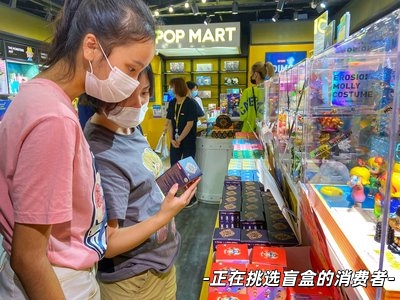
I. Indonesia's Blue Ocean Under a Trillion-Dollar Opportunity: Market Dividends in the Data
Blind boxes, as a landmark of modern trendy consumption, have a business model that can be traced back to...In late 19th-century Japan, during the Meiji era, department store lucky bags combined the circulation of goods with consumer enjoyment through unknown combinations. In 2016, trendy toy IP-based blind boxes were launched, and the industry entered a stage of standardized and large-scale development, sweeping the global consumer market in just a few years.
According to industry data calculationsThe global blind box market is projected to reach $38.6 billion (approximately RMB 270 billion) by 2026, with a stable compound annual growth rate of 5%-10%, demonstrating both market resilience and growth potential. Indonesia, as the core growth engine of the Southeast Asian blind box market, holds numerous advantages.
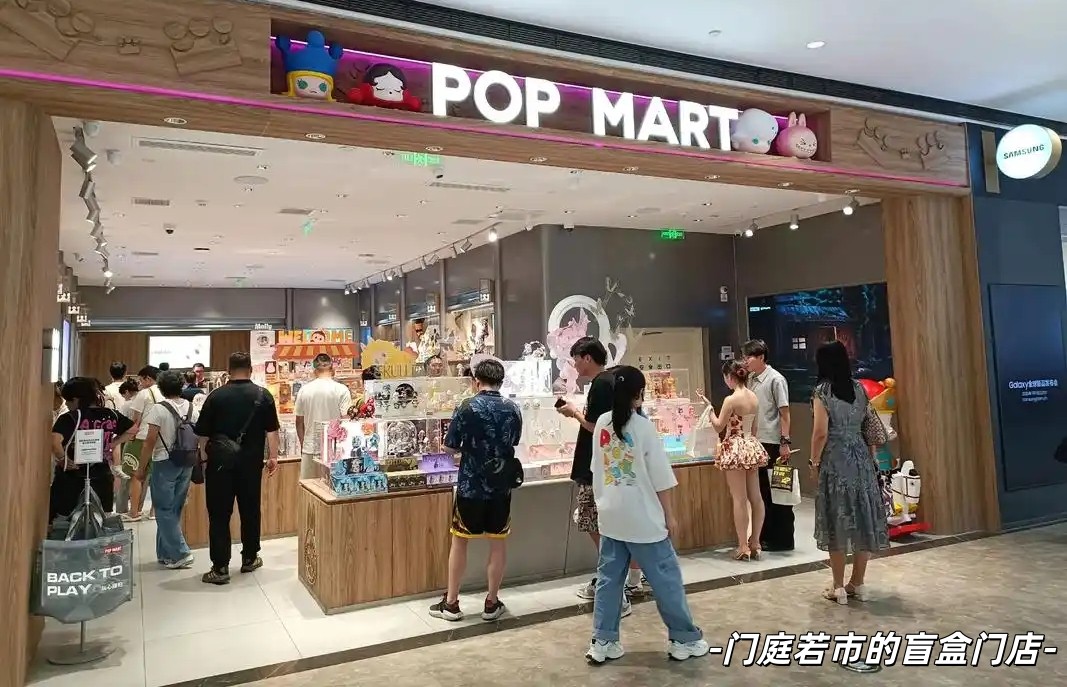
Market size:The Indonesian toy market reached a total size of US$1.37 billion in 2024 and is projected to grow to US$2.44 billion in 2025, with a compound annual growth rate of 8% to 13% from 2024 to 2030.
Growth rate of trendy toys:Southeast Asian trendy toy market annual growth rateIndonesia accounts for 20% of the market, serving as the core engine of the region, with consumer enthusiasm comparable to that of China during the blind box boom in 2018.
Consumer base:The core consumer group aged 15-34 exceeds 112 million people, and the adult trendy toy enthusiast group is rapidly emerging, with the consumption range of a single box covering 50,000 to 500,000 Indonesian Rupiah (approximately 23-230 RMB).
Import dependence:China is Indonesia's largest source of toy imports.In 2024, China's exports to India reached US$524 million, accounting for 95.4% of total imports, giving domestically produced blind boxes a natural channel advantage.
The huge market potential has attracted domestic companies to compete for a foothold in the market, andBPJPH Halal certification is the key entry credential for entering this market.
II. The contradiction and dilemma between core selling points and halal certification rules
The commercial value of blind boxes lies in emotional consumption and the experience of the unknown. What consumers pursue is not the product itself, but the anticipation before opening the box, the surprise upon unveiling it, and the yearning for rare hidden items."Randomness, the unknown, and unpredictability" are the essence of blind boxes and their core competitive advantage that distinguishes them from regular products. Once the mystery is lost, blind boxes lose the foundation of their business model.
However, according to IndonesiaAccording to BPJPH's halal certification regulations, halal certification for retail products must be applied to specific individual items; applications based on vague concepts such as "series" or "combinations" are not accepted. The certification system requires clear product information, well-defined categories, and traceability to ensure the rigor and standardization of halal certification.
On one hand, the sense of excitement that sustains the market's vitality must not be diminished; on the other hand, the compliance red line for entering the target market must not be crossed.“Labeling means leakage, and not labeling makes authentication difficult” has become a major obstacle for many blind box companies on their journey to go global.
III. Compliance Solutions for Internal and External Subcontracting: Balancing Business Logic and Certification Requirements
For two decades, Jacob's Star has been deeply involved in overseas certification services. Focusing on the market rules of various countries and combining numerous practical cases with policy interpretations, they have developed a mature solution that balances commercial appeal with halal compliance, specifically tailored to the unique characteristics of blind box products."Surprises without discounts, compliance without omissions."
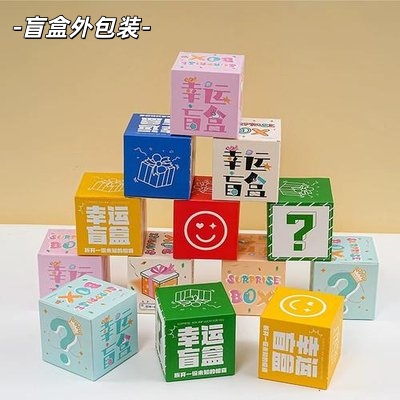
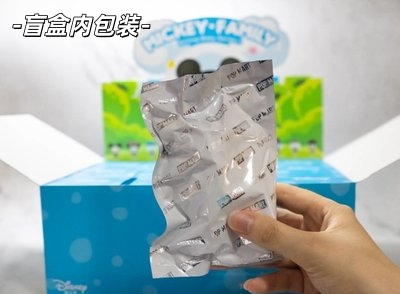
The core of the solution lies in differentiated management of inner and outer packaging:At the outer packaging level, the original design logic of blind boxes is continued, with a unified labeling of the series name and no display of specific styles inside, fully preserving the random and unknown product characteristics without compromising the consumer's shopping experience and core selling points. At the inner packaging level, each individually sealed product is accurately registered, named, registered, and individually configured with certification information and entered into the system, achieving traceability and verification at the individual product level. This fully complies with the Indonesian Halal certification requirements for detailed and standardized products.
By dividing the functions of internal and external scenarios, the business model of blind boxes is protected, while the regulatory rules of the target market are strictly followed. This ensures that the products have market appeal while possessing complete and compliant access qualifications, truly achieving a two-way unity between marketing value and compliance requirements.
IV. Solution Extension: Applicable to various types of random products
This compliance logic applies not only to blind boxes, but also to lucky bags, surprise bags, random combination packs, and mixed packs of various styles.For products with "unknown attributes," when applying for halal certification in overseas markets, the approach of "ensuring a pleasant experience with outer packaging and adhering to compliance with regulations with inner packaging" can be adopted to avoid rule conflicts, reduce certification difficulties, and improve efficiency in going global.
In conclusion
Star of JacobThe BPJPH project team's certifiers analyzed this case, stating that business innovation and market rules are not contradictory. Professional solution design and policy interpretation can enable good products to maintain their unique competitiveness while successfully overcoming the barriers of overseas markets. The compliance challenges of blind box exports are never unsolvable; rather, the problem lies in the lack of precise and efficient solutions.
If you have any questions about halal certification or overseas market access for blind boxes and similar products, please feel free to contact us. We will use our professional experience to support your company's overseas expansion and help your high-quality products successfully enter the global market.