
SINOQUAL Assists Synthetic Fiber Enterprise Xinweishi in Obtaining HFC Halal Certification
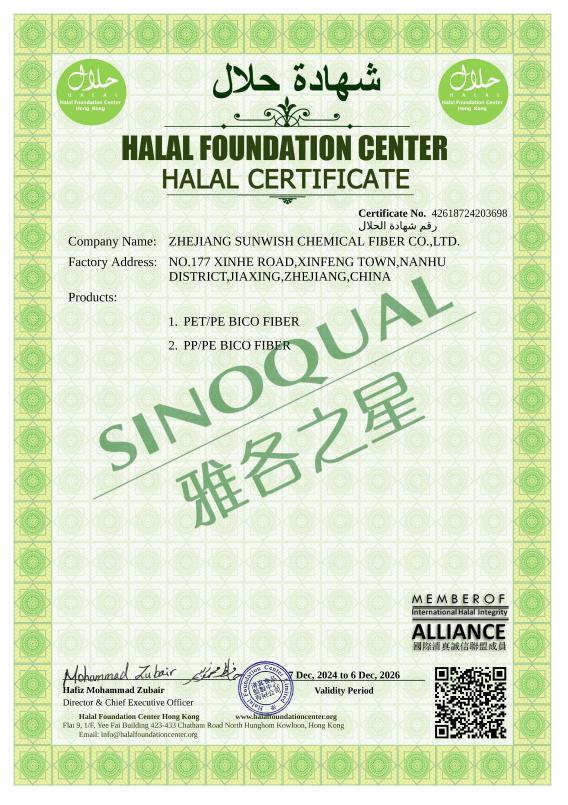
As important raw materials in the nonwoven fabric industry, ES (ethylene-propylene side-by-side) fiber and polyester staple fiber are widely used in hygiene products, filtration materials, and packaging. With the growing emphasis on Halal compliance across the supply chain, upstream fiber materials also increasingly require Halal certification.
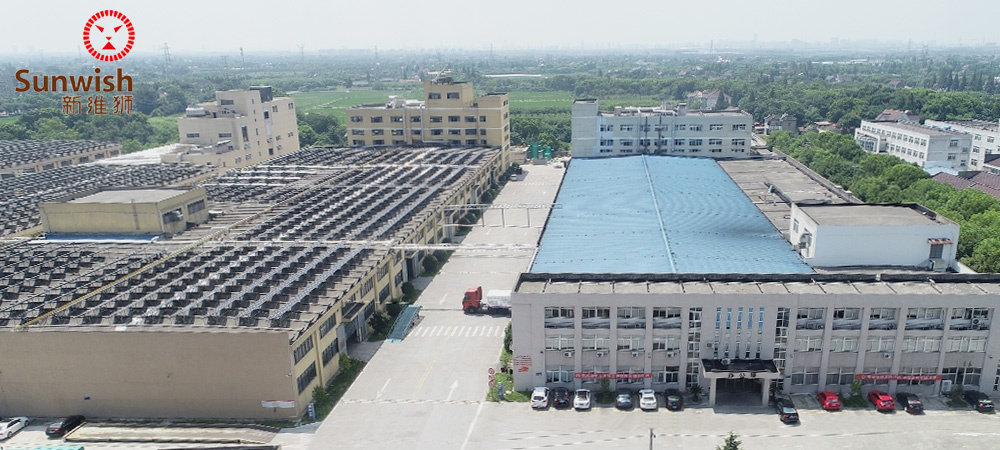
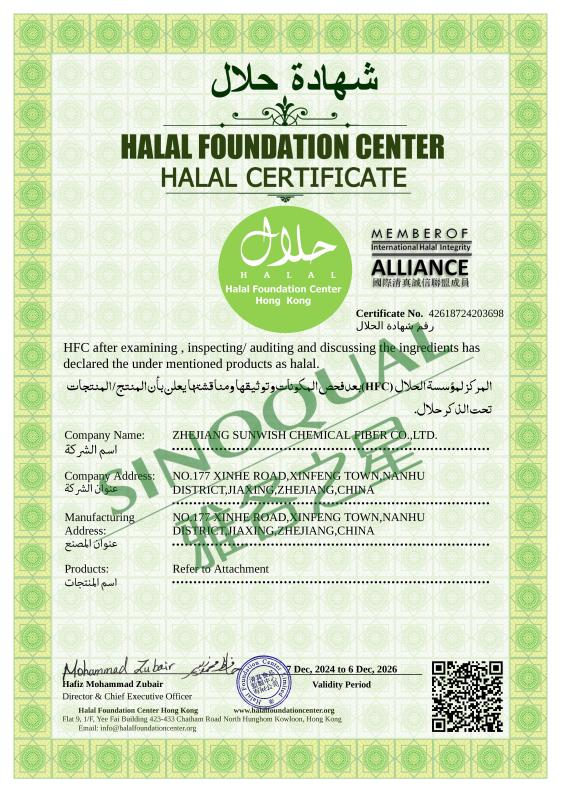
Xinweishi, a professional synthetic fiber manufacturer, chose SINOQUAL to obtain HFC Halal certification for its ES fiber and polyester staple fiber products. These synthetic fiber products are inherently free of animal-derived components, giving them a natural advantage in meeting Halal requirements.
The certification enables Xinweishi to serve downstream nonwoven fabric manufacturers who need Halal-certified raw material supply chains, particularly those targeting Middle Eastern and Southeast Asian markets where Halal compliance extends to packaging and hygiene product materials.
FAQ
- What products did Xinweishi certify and why?
- Xinweishi obtained HFC Halal certification for its ES (ethylene-propylene side-by-side) fiber and polyester staple fiber products with SINOQUAL assistance. These are key raw materials for the nonwoven fabric industry, used in hygiene products, filtration, and packaging.
- Why do synthetic fiber products need Halal certification?
- As Halal compliance requirements extend across the entire supply chain, upstream fiber materials also need certification. The certification enables Xinweishi to serve downstream nonwoven manufacturers targeting Middle Eastern and Southeast Asian markets where Halal compliance covers packaging and hygiene product materials.