
The requirements of the halal industry are not static. New halal standards in Asia and the Middle East cover cosmetics, pharmaceuticals and medical devices, as well as services (such as logistics, retail, hotels and hospitals) beyond products, allowing key supply-chain partners such as suppliers, manufacturers, logistics service providers, distributors and retailers to obtain halal certification. Halal is shifting from a product approach to a supply-chain approach. Similar to food safety, halal has always involved the journey from source to the consumer's point of purchase. The point of purchase can be a supermarket, restaurant, pharmacy, or—in the case of e-commerce—the consumer's doorstep.
As Muslim consumers' halal awareness rises, halal logistics is becoming increasingly important in advanced halal markets such as Malaysia, Indonesia, Brunei, Turkey, the United Arab Emirates and Saudi Arabia, providing Muslim consumers with a higher level of halal assurance and brand owners with a better way to organize the halal supply chain.
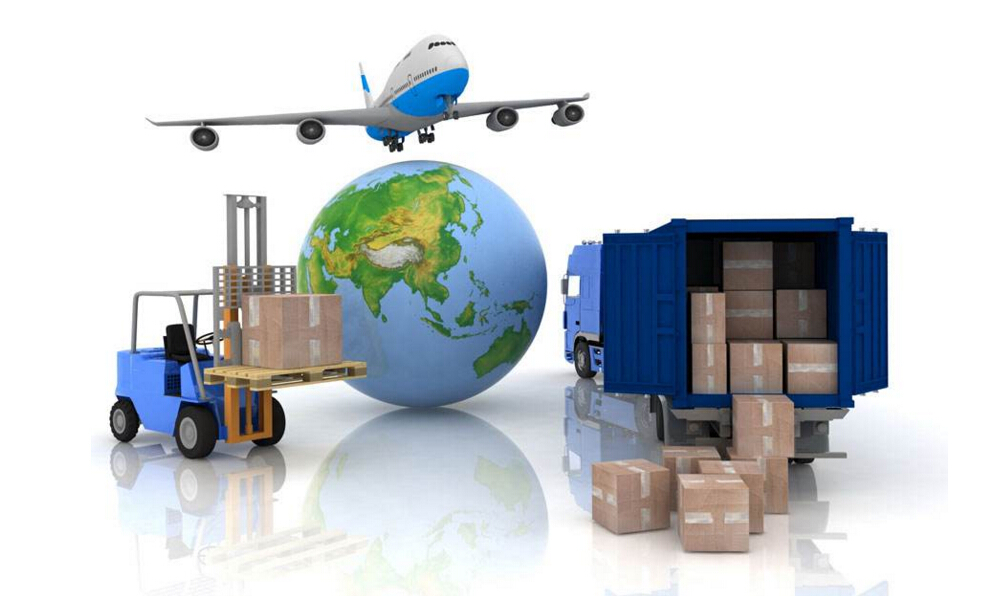
Existing halal production standards in Muslim-majority countries already require distinguishing between halal and non-halal in brand owners' procurement and distribution. Failure to address halal across the entire brand-owner supply chain may result in the loss of the halal certificate. Therefore, from a pure risk-management perspective, addressing halal in logistics is crucial. Appointing a halal-certified logistics service provider makes commercial sense, better protecting the halal integrity of the brand owner's supply chain by design—a design based on actual halal control points and control measures in transport and storage, audited and certified by an independent halal certification body.
Logistics service providers play a key role in the halal supply chain, offering synergistic advantages in protecting the halal integrity of goods, standardizing halal assets, sharing halal information, pooling resources, bundling halal volumes and optimizing the halal supply chain. Halal manufacturers and retailers can leverage their expertise, global networks and ability to consolidate halal goods flows.
Halal logistics is a system of physical segregation from non-halal products in transport, storage and sea/air terminal operations, with correct identification and communication of halal status, to avoid mixing halal and non-halal goods at any stage of the supply chain. Today there are dedicated halal logistics standards for reference. For example, Malaysia introduced the halal supply chain management system standard MS 2400 for transport, warehousing and retail in 2010. Indonesia introduced the HAS 23000-5 halal certification requirements for the logistics industry in 2021. In 2020, the international halal supply chain management system standard, OIC/SMIIC 17:2020, was also introduced, covering transport, warehousing and retail similar to Malaysia.
Over the past decade, we have seen local and multinational logistics service providers in both Muslim and non-Muslim countries obtain halal certification to local and international halal standards. Halal-certified logistics service providers have become indispensable partners in a first-class halal supply chain. Port terminal operators, shipping companies, airport terminals and airlines are expected to present the next wave of halal logistics certification.