
Recently, blockchain technology has quietly gained popularity in overseas halal markets. Currently, consumers in Malaysia can now track halal food supply-chain information through the Halal Blockchain Network (HBN). HBN is a network technology developed by Malaysia's home-grown Marakat Ecosystem. HBN founder and Marakat Group CEO Mohd Fadzil Hashim says that with HBN's QR-code facility, consumers only need to scan the QR code on the food packaging to learn the details of the food's origin and trace food supply-chain data—including halal food certified by Malaysia's Department of Islamic Development (JAKIM).
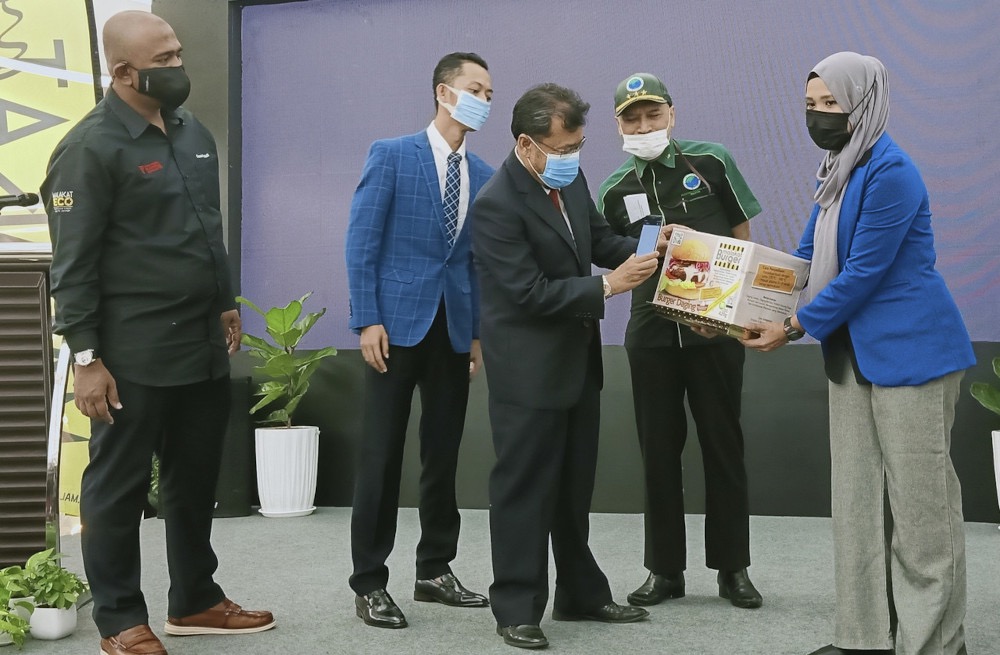
On 5 March, Deputy Minister of Agriculture and Food Industries Datuk Che Abdullah Mat Nawi officially launched HBN
'HBN cannot replace JAKIM's halal certification, but it adds value in ensuring that the food sold is truly halal,' he told the media, after Deputy Minister of Agriculture and Food Industries Datuk Che Abdullah Mat Nawi officially launched HBN here today.
He said that with this blockchain technology, food supply data, from the producer level to the seller level, is stored in the form of linked blocks and distributed via the internet to millions of computers around the world for storage and certification purposes.
He said that adopting the latest blockchain technology can ensure that the halal food supply chain is protected from being mixed with non-halal food, and that consumers will not be deceived by counterfeit halal marks.
Mohd Fadzil said that to ensure the authenticity of the data and information stored in HBN, all relevant data is not entered by importers, but entered by the staff of the Marakat Ecosystem themselves. 'If the importer is from Pakistan, our staff will go there to collect all the necessary data. This will provide assurance to consumers.'
Meanwhile, Che Abdullah said that the Marakat Ecosystem's efforts to develop HBN have also received support from the Ministry of Agriculture and Food Industries, after issues and reports about the manipulation of halal meat-product certificates were raised.
'In this case, HBN will help ensure that food supply meets religious needs, because the food production process can be traced directly to the slaughterhouse, thereby eliminating consumers' doubts about the halal authenticity of products, especially imported meat,' he said.
Coincidentally, the world's first 'QR-code full-traceability system,' jointly developed by SINOQUAL and the Halal Foundation Center (HFC), can provide enterprises and their customers with 24-hour self-service mobile inquiry. By scanning the dedicated QR code on the certificate, users can view the enterprise's certified product information, basic enterprise information, and image information of key links in the halal production system such as the raw-material warehouse, production workshop, finished-product warehouse, halal internal-auditor training and factory-audit reports.
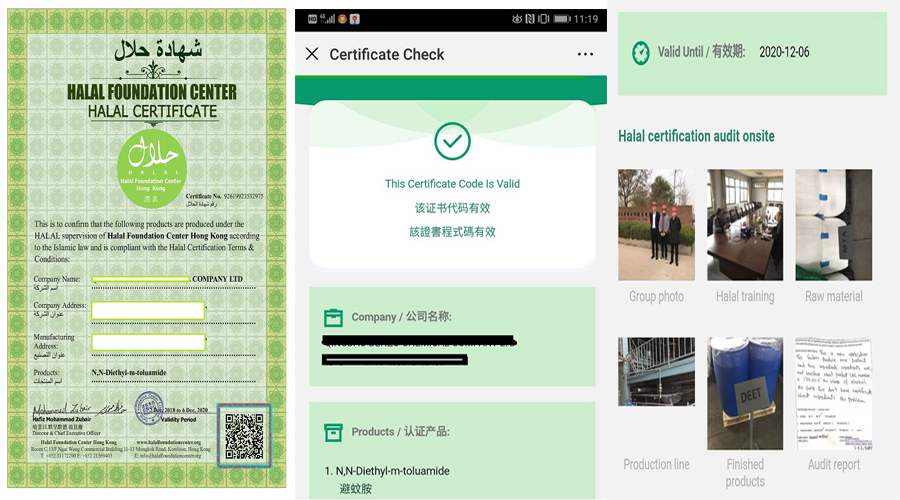
SINOQUAL firmly believes that only transparency and openness can help consumers better identify halal authenticity, eliminating economic losses caused by pre-audit assessment errors due to subjective human judgment and ambiguous rules. At the same time, it greatly reduces the cost of trust between enterprises and the market, eliminates at the source the wishful thinking of individual enterprises forging certificates, improves enterprises' integrity and reputation in the eyes of consumers, and builds a healthy, sustainable, mutually trusting and win-win market ecosystem for the halal industry.