
The rapidly growing halal industry offers countries investment opportunities, export potential and economic development.
Driven by the growing demand for halal products and services, the halal industry is experiencing significant growth globally. According to Datuk Amer Bukvic, Director General of Global Practices and Partnerships at the Islamic Development Bank (IsDB), the halal food sector alone was worth US$2.7 trillion in 2021 and is expected to reach US$6.7 trillion by 2025. This expanding market offers many opportunities for investment, exports and intra-trade among member states and Halal consumer communities. To harness this potential, stakeholders must focus on developing an enabling ecosystem, addressing financing challenges, and effectively managing the halal supply chain.
The rise of the halal economy
Countries such as Malaysia, the UAE, Saudi Arabia and Turkey have become active players in developing the halal economy. They have established a clear vision of becoming global hubs for halal trade, focusing on attracting investment and promoting industry growth.
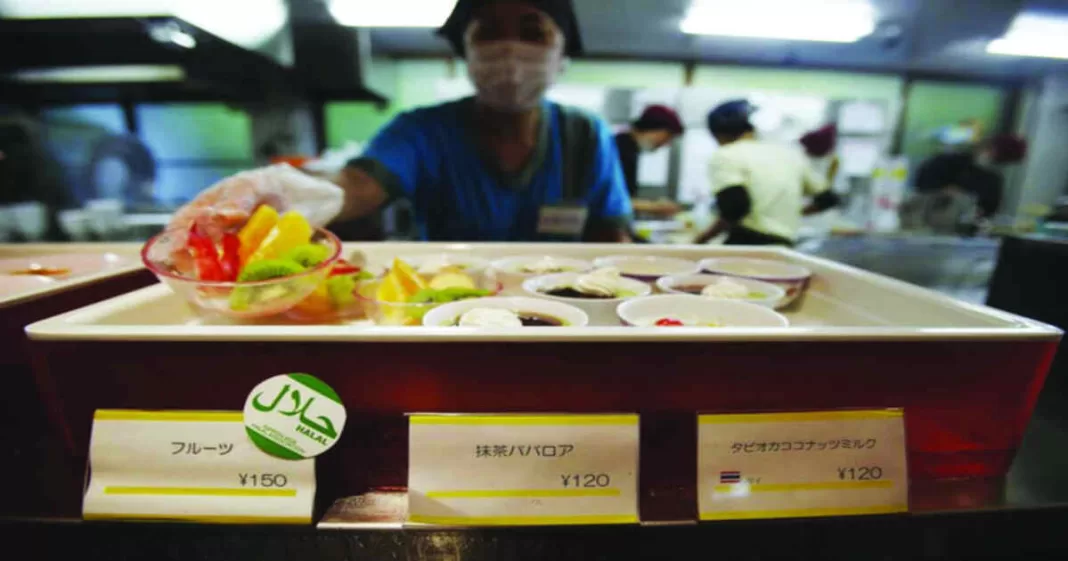
Even non-Muslim-majority countries such as Thailand, Japan and South Korea recognize the potential of the halal market and are positioning themselves as key players. These countries aim to leverage the growing demand for halal products and services to expand their economic opportunities.
Australia and Brazil, despite not being Muslim-majority countries, have become major suppliers of halal meat and poultry to the Middle East. Their participation in the halal industry highlights the global reach and collaborative potential of meeting demand for halal products.
Overcoming challenges and building a sustainable halal industry
To create a sustainable halal industry, IsDB member states and other stakeholders must adopt long-term strategies that support qualified human capital policies. In addition, establishing institutional frameworks for standardization, certification, accreditation and awareness programs is crucial for building consumer trust and ensuring product quality.
The adoption of new technologies plays a vital role in improving the efficiency of halal manufacturing and distribution processes. Implementing technology-driven solutions can improve visibility across the supply chain, enabling better traceability and ensuring compliance with halal standards.
Two key challenges facing the halal economy are halal industry financing and the effective management of the halal supply chain. To overcome these challenges, innovative financial models and investment mechanisms need to be developed, while supply chain processes should be optimized for transparency, traceability and timely delivery.
Collaboration and partnerships drive growth
The rapid growth of the halal industry offers significant opportunities for investment, exports and intra-trade among member states and Halal consumer communities. To harness this potential, stakeholders must focus on building an enabling ecosystem, addressing financing challenges, and optimizing supply chain management. Collaborative efforts and partnerships at the national and international levels will play a key role in developing a sustainable halal industry and promoting global halal economic growth. By seizing these opportunities, countries can position themselves as key players in the halal market, promoting social and economic development.
Amer Bukvic, Acting Chief Product and Partnerships Officer at the Islamic Development Bank, said the growing demand for halal products and services will create more opportunities for halal industry investment and create avenues for the export and intra-trade of halal products among member states and Halal consumer communities.
Ahmed Osilan, Executive Board Member and Managing Director of Tanmiah, said in the first discussion, 'Eighty percent of halal market products are not necessarily produced in halal countries, which gives us an opportunity to work together as halal market players to provide quality products for the Islamic bloc—and not just the Islamic bloc, because halal products are also beneficial for non-Muslims.'