
Malaysia is a Muslim-majority country, and Halal certification has always been important for businesses.
Halal certification is the process of certifying food and other products permitted by Islamic law. This certification is crucial for businesses operating in Muslim-majority countries/regions, where Muslim consumers make up a large part of the population.

The importance of Halal certification goes beyond religious belief and has significant economic, social and cultural impacts. In recent years, Halal certification has become an important consideration for businesses operating in Malaysia, because it has a significant impact on consumer behavior.
Now, obtaining Halal certification for products is crucial in order to access a vast customer database and enter not only the local market but also international markets such as Indonesia or the Middle East.
According to the statistics portal Statista, the global Halal market is worth more than US$2 trillion (RM8.97 trillion) and is estimated to grow to US$2.8 trillion per year.
The largest component of Malaysia's Halal economy is the food service industry, with business revenue estimated at US$31 billion in 2021 and expected to reach US$47.6 billion by 2025.
With the authority of the Department of Islamic Development Malaysia (JAKIM), Malaysia's Halal certificate is recognized worldwide, ensuring products are safe and clean and easy to use in marketing activities.
Halal certification is crucial for companies operating in the food and beverage (F&B) industry, because Muslim consumers will only buy Halal-certified products. By obtaining Halal certification, businesses can access a larger Muslim consumer market, thereby increasing sales.
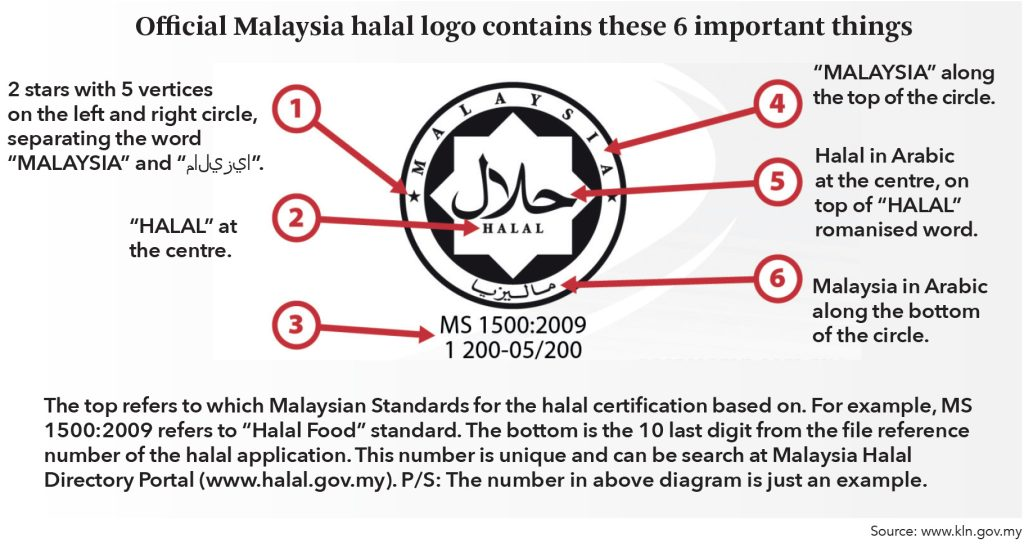
In Malaysia, Halal certification is becoming a necessity, and certified businesses gain a competitive advantage and differentiate themselves from competitors. Not only that, Halal certification can also increase brand awareness, because businesses can promote their products as Halal-certified. The Halal mark is seen as a mark of quality, and Halal-certified businesses can use it to build trust with consumers and promote their brand.
Comprehensive Halal management system
The Malaysia Halal Management System (MHMS 2020), launched by the government in 2020, is a comprehensive system and framework that ensures quality control and strengthens efforts in the Halal industry by bringing Malaysia to the forefront of global Halal hubs.
It provides guidelines and standards for Halal certification bodies, Halal auditors and Halal assessors to ensure they comply with international Halal standards and best practices.
One of the main features of MHMS 2020 is the use of technology to improve the efficiency and transparency of the Halal certification process. The system includes an online platform for Halal certification applications and a Halal certificate verification system that allows consumers to verify the authenticity of certificates.
MHMS 2020 also emphasizes the importance of training and capacity building for Halal certification bodies (including auditors and assessors), as well as the certification itself.
It provides guidelines for training programs and requires all Halal auditors and assessors to receive regular training to keep up with the latest Halal standards and best practices.
MHMS 2020 is expected to have a significant impact on the Halal industry in Malaysia and the region. It is expected to improve the quality and credibility of Halal certification, which will increase consumer confidence and attract more businesses into the Halal market.
The system is also expected to enhance Malaysia's reputation as a global Halal hub and help the country meet the growing global demand for Halal products and services.
A cosmetics owner gave a positive review of the process of getting her products Halal-certified. The owner explained that she had submitted a Halal certification application to the relevant authorities and is currently awaiting approval.
Despite the wait, she praised the certification process and said it was easy and straightforward.
'They explained that the application process involves providing detailed information about the ingredients used in the cosmetics and ensuring they are all Halal-certified,' she said.
According to the owner, the application form was easy to fill out, and the Halal certification body provided clear guidelines on the certification requirements.
She also noted that the Halal certification body responded to her inquiries and provided timely feedback on any questions or concerns she had.
'I believe Halal certification is important for my business, because it will help build trust with Muslim customers and provide a competitive advantage in the market. I believe the application will be approved, and I look forward to obtaining Halal certification soon.
This cosmetics owner's experience highlights the importance of Halal certification for businesses that want to cater to the Muslim market.
As demand for Halal products and services continues to grow, Halal certification is becoming a basic requirement for businesses.
In summary, Halal certification is an important consideration for businesses operating in the Malaysian market. Halal certification offers many benefits, including increased sales, competitive advantage, brand awareness, international market access, compliance with Islamic law and improved quality control.
As demand for Halal products continues to grow, obtaining Halal certification is becoming increasingly important for businesses operating in Malaysia.