
Over the past two years, plant-based food consumption across the EU grew by 49%, achieving total sales of 3.6 billion euros. As the variety of plant-based dairy and plant-based meat expands, food manufacturers are seeking to gain a larger market share. Plant-based foods are on the rise, but manufacturers are far from holding the majority market share. So, how should plant-based food companies attract more consumers to buy plant-based foods?
Taste
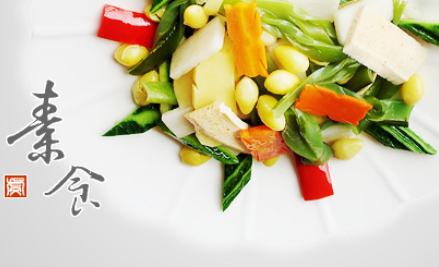
Among the factors influencing consumers' enjoyment of a product, taste has always been considered the primary factor. A recent survey by the International Food Information Council Foundation supports this view, with 88% of respondents saying that taste is the main reason they buy a product.
In addition, other factors from environmental sustainability to concerns about animal welfare and nutrition are also encouraging consumers to make changes. But some industry insiders say that consumers' final choices still rely on 'taste cues'; research shows that if the taste of a plant-based product can meet consumer needs, nearly 70% of people will buy it repeatedly.
Food manufacturers need to find products with the same taste and texture as animal products; these are all issues that industry players must address.
Color
But in today's world of social media and digital content, consumers increasingly view food images through social, advertising and online platforms. Color is also a factor influencing consumers to buy plant-based foods.
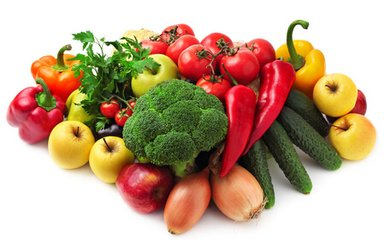
In addition to taste, consumers are also attracted by the appearance of food. Consumers want food that has a beautiful appearance and is delicious. When the taste is good, people will buy it repeatedly, but it should be noted that the first impulse to buy comes from the product's visual appeal. Today, people even buy food just to take photos and share them. Outstanding visual appeal helps a lot, and color is crucial to the development of the next generation of plant-based foods.
Price
According to a survey by the Yale Program on Climate Change and the EarthDay Network, nearly 60% of respondents believe plant-based foods are more expensive, and 63% said they would abandon animal-based foods in favor of a plant-based diet if plant-based foods were a bit cheaper. About half of consumers said a plant-based meal is more expensive than a meat-based meal.
If plant-based manufacturers want to make their products more popular and encourage more flexitarians and meat-eaters to consume plant-based products, then the price of plant-based foods needs to be more attractive.
In addition, professionals believe that vegetarian and vegan products should not be placed in unseen corners of supermarkets, nor listed alone at the bottom of restaurant menus. If we place them in prominent positions, if their appearance is attractive and cool, and if consumers can afford them, then people will consume them.
FAQ
- How is the plant-based food market performing?
- Over the past two years, plant-based food consumption across the EU grew by 49%, achieving total sales of 3.6 billion euros, and as the variety of plant-based dairy and plant-based meat expands, food manufacturers are seeking a larger market share. However, plant-based food manufacturers are currently still far from holding the majority market share.
- How can plant-based food companies attract more consumers?
- There are three key factors: (1) Taste - the primary factor, with 88% of consumers citing taste as the main reason for buying; when the taste satisfies them, nearly 70% will buy repeatedly, so the taste and texture must match animal products; (2) Color/appearance - the first impulse to buy comes from visual appeal, and people even buy to take photos and share; (3) Price - nearly 60% of respondents think plant-based foods are expensive, and 63% said they would switch to a plant-based diet if prices were lower. In addition, vegetarian/vegan products should be placed in prominent positions rather than in corners.