
According to the latest report, the global Halal ingredients market is expected to grow from US$320.81 billion in 2022 to US$332.62 billion in 2023, and reach US$379.06 billion by 2027, at a compound annual growth rate of 3.3%. The Halal ingredients market consists of sales of Halal-certified ingredients, mainly types of ingredients for the food and beverage industry, the pharmaceutical industry and the cosmetics industry.
New York, August 3, 2023 (GLOBE NEWSWIRE) - Reportlinker.com announces the release of the report '2023 Global Halal Ingredients Market Report.' The countries covered in this Halal ingredients market report include Australia, Brazil, China, France, Germany, India, Indonesia, Japan, Russia, South Korea, the UK and the US.
The global Halal ingredients market is expected to grow from US$320.81 billion in 2022 to US$332.62 billion in 2023, at a compound annual growth rate (CAGR) of 3.7%. The Russia-Ukraine war has, at least in the short term, disrupted the chances of the global economy recovering from the COVID-19 pandemic. The war between the two countries has led to economic sanctions on multiple countries, soaring commodity prices, and supply chain disruptions, causing inflation in goods and services and affecting many markets globally. The Halal ingredients market is expected to reach US$379.06 billion by 2027, at a compound annual growth rate of 3.3%.
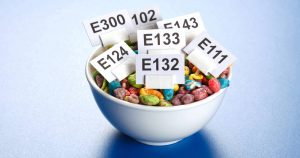
The Halal ingredients market consists of sales of Halal-certified ingredients such as starches, emulsifiers, sweeteners, hydrocolloids and acidulants. The value of this market is the 'factory gate value,' i.e., the value of goods sold by the manufacturer or creator of the product, whether shipped to other entities (including downstream manufacturers, wholesalers, distributors and retailers) or directly to the final customer. The value of goods in this market includes the related services sold by the goods' creator.
Halal ingredients refer to all ingredients that do not appear on the list of items prohibited for Muslim consumption as prescribed by Islamic law. The processing, production, manufacturing and storage of these ingredients all use utensils, equipment and/or machinery that are clean according to Islamic law.
The Middle East was the largest region in the Halal ingredients market in 2022, and the Middle East is expected to be the fastest-growing region during the forecast period.
The main types of Halal ingredients are ingredients for the food and beverage industry, the pharmaceutical industry and the cosmetics industry. The Halal ingredients used in the food and beverage industry are divided into flavors, hydrocolloids, starches, sweeteners, acidulants, emulsifiers and others.
Sugar, zein, beeswax, vegetable oils and petroleum fractions are Halal-applicable ingredients used in the food and beverage industry. Sodium ascorbate, sodium erythorbate, citric acid and propylene glycol are Halal-applicable curing agents used in this industry. These products are sold online and offline and used in the food and beverage, pharmaceutical and cosmetics industries.
Growing demand for Halal processed foods and beverages is expected to drive the growth of the Halal ingredients market. The use of Halal ingredients in the food and beverage industry ensures health benefits, cleanliness, purity and safety, thereby guaranteeing high-quality products and leading to increased demand for Halal ingredients. For example, IFANCA (the Islamic Food and Nutrition Council of America, a non-profit organization dedicated to Halal certification and the promotion of Halal) conducted a national consumer insights survey of 1,000 representative US adults in September 2022. The results showed that 44% of respondents considered Halal-certified food more humane, 42% considered it fresher than non-Halal-certified food, and 41% considered it healthier. Therefore, the growing demand for Halal processed foods and beverages is driving the growth of the Halal ingredients market.