
The appetite for kosher accredited products gets greater each year, and firms in China produce an enormous variety for client companies involved in food processing and to retailers across the globe. Here we present six such companies in China making KLBD kosher certified products.
BLG - Shanghai Brilliant Gum Co.
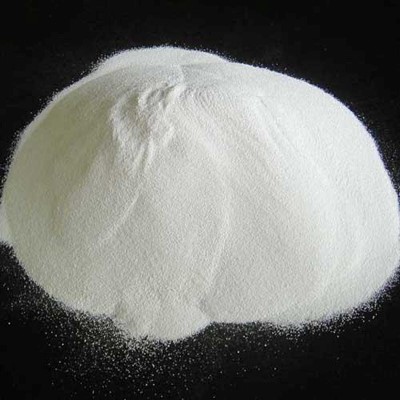
Carrageenan, konjac powder (gum), agar-agar and blending products are the main products of BLG (Shanghai Brilliant Gum Co). BLG has the biggest production facility for carrageenan in China, producing pure carrageenan and konjac powder. The firm has certifications including KLBD Kosher, Halal, ISO, and Non-GMO. BLG exports to numerous nations across the globe such as the Americas, Europe, Asia, Africa, Australia and New Zealand.
Gushen Biological Technology Group
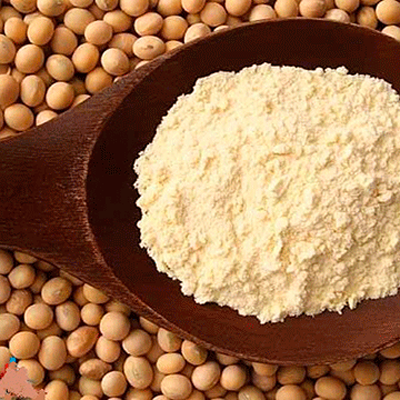
Soybean processing is the main activity of Gushen Group, which is a major international producer. The company makes a range of soy proteins and soy health-care foods. Such products include soybean protein, soy protein isolate, and soy protein concentrate. Gushen Group also makes defatted soybean meal, soybean oil, soybean polysaccharide, and dietary fibre. The group exports to more than seventy countries across the globe, including Europe, North and South America, Asia and Africa.
Shandong Crown Soya Protein Co.
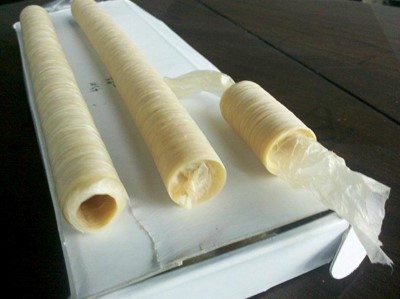
Crown Soya Protein Group is a leading manufacturer of soya protein and collagen sausage casings. The group has three production plants in China, one collagen casing plant and two trading companies. Its products are derived from natural, Non-GMO, high quality soybeans grown in China and processed in line with global standards. The Crown-Soypro series of soya protein products is popular in Europe, Asia, Australia, Africa and America. The group exports to more than 50 nations across the globe.
Innobio (Dalian Innobio Corporation)
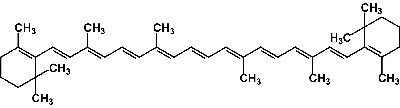
A leading manufacturer of nutritional ingredients, Innobio makes products such as specialty fatty acids, carotenoids and branched-chain amino acids. The company has an independent research and development unit plus modern large-scale production facilities, with worldwide distribution of its products to clients across the globe in the spheres of nutrition, food, cosmetics and pharmaceuticals.
Futaste Sugar Alcohols (Dingtao) - Shandong Futian Technology Group
Corn based items such as corn starch, sorbitol and edible corn oil are among the products of Futaste Sugar Alcohols. Futaste is an advanced biotechnology enterprise based in Shandong province. Its other products include modified starch, Maltitol, and Zein. In addition to following KLBD guidelines, the company complies with those laid down by Investors in People and ISO. Its products are widely used in processing foods, pharmaceuticals, textiles, papers, and chemicals.
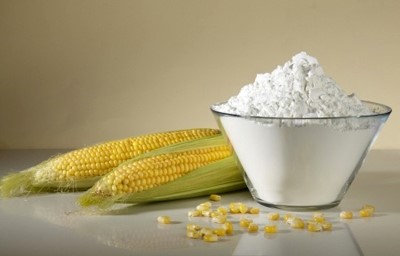
Zhucheng Xingmao Corn Developing Company
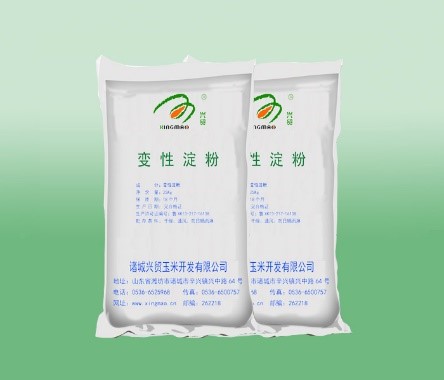
With a large production base for corn starch, modified starch and inositol, Zhucheng Xingmao Corn Developing Co has more than 10,000 company employees and produces five million metric tonnes of corn each year. Products can hardly meet the demand of the domestic market, and are also exported to more than 60 countries and districts such as the USA, Japan, South Korea, Poland, South-East Asia, Africa and the Middle East.
FAQ
- What does "kosher-certified" mean for these Chinese manufacturers?
- Kosher certification confirms a product meets kosher dietary standards, verified by a recognized kosher authority. The companies here carry KLBD Kosher certification, which supports their exports to buyers who require kosher-compliant ingredients.
- Which Chinese companies are featured, and what do they make?
- The article profiles six KLBD kosher-certified producers in China: Shanghai Brilliant Gum (carrageenan, konjac powder, agar-agar), Gushen Group (soy proteins and soy health foods), Shandong Crown Soya Protein (soya protein and collagen sausage casings), Innobio (specialty fatty acids, carotenoids, branched-chain amino acids), Futaste (corn-based sorbitol, corn starch, maltitol, zein) and Zhucheng Xingmao (corn starch, modified starch, inositol).
- What kinds of ingredients from China commonly carry kosher certification?
- Based on the companies profiled: hydrocolloids and gums (carrageenan, konjac, agar-agar), soy proteins and derivatives, corn-based ingredients (starch, sorbitol, maltitol, inositol), and nutritional ingredients such as specialty fatty acids and carotenoids.
- Do these companies hold certifications beyond kosher?
- Some do. The article notes, for example, that Shanghai Brilliant Gum also holds Halal, ISO and Non-GMO certifications, and that several producers use Non-GMO soybeans and follow ISO standards. Kosher is often held alongside other quality and compliance certifications.
- Where are these Chinese kosher-certified products exported?
- The article says they export widely, for example to the Americas, Europe, Asia and Africa. Gushen Group ships to more than seventy countries, and Zhucheng Xingmao to more than sixty countries and regions including the USA, Japan, South Korea and Poland.
- Why do ingredient manufacturers seek kosher certification?
- For suppliers, kosher certification helps meet the requirements of international buyers whose food, nutrition, cosmetics or pharmaceutical products need kosher-compliant inputs, broadening market access.