
Leather products have become an indispensable part of the modern lifestyle. From shoes and bags to belts and clothing, even car seats, leather is synonymous with elegance and high value. However, behind its alluring appearance, fundamental questions are becoming increasingly important: Is the leather genuine? Is it Halal?
Answering these questions requires more than just examining the leather. Leather identification technology, especially the Halal leather microscope test, is an effective solution that can provide quick and accurate answers. This test not only verifies authenticity but also plays a crucial role in the Halal leather certification process.
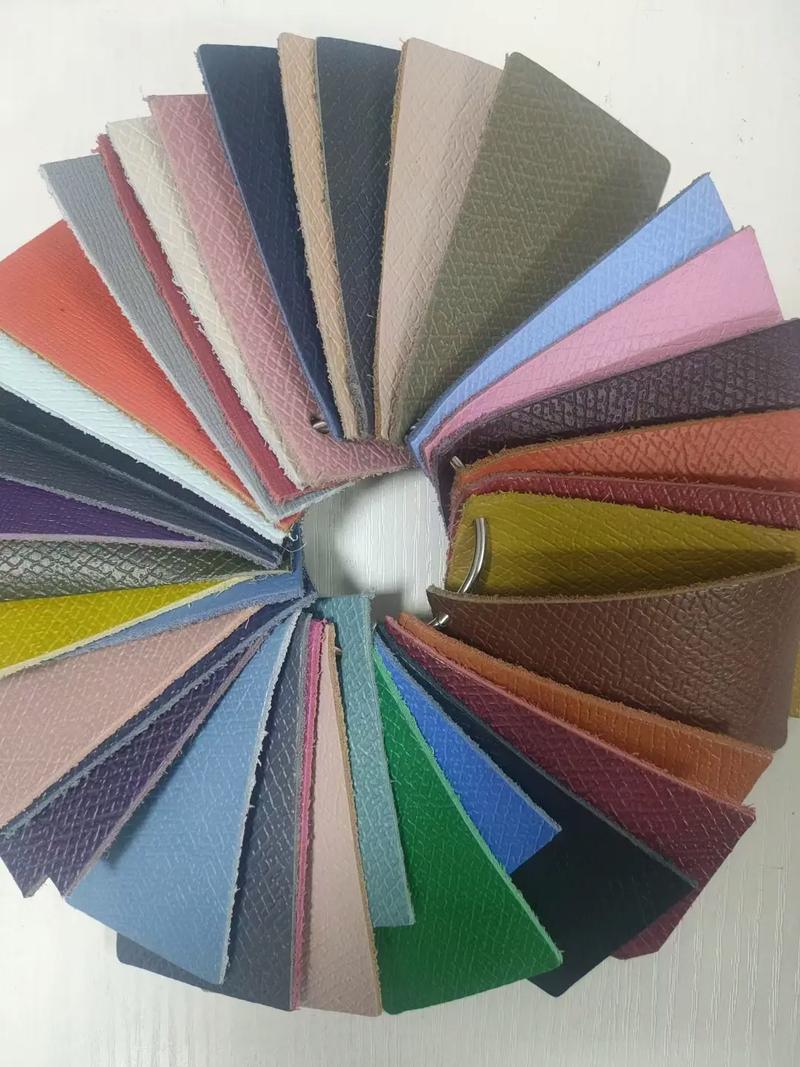
The long journey of leather becoming a product
Leather is obtained as a by-product of animal slaughter. After the meat and carcass enter the food industry, the rawhide is directed to the tanning industry and goes through four main stages: pre-tanning, tanning, post-tanning, and finishing.
The pre-tanning stage aims to clean the rawhide and prepare it for the tanning process. This process includes soaking to remove dirt, dehairing and liming to open the leather fibers. Residual tissue is then removed from the rawhide, it is separated by thickness, lime residue is neutralized, and it is degreased using ethoxylated alcohol.
The tanning stage is crucial for protecting the rawhide and preventing deterioration. This process begins by lowering the pH value, then tanning with chromium sulfate or vegetable oil. The rawhide is dehumidified, flattened, and adjusted to the desired thickness. The result is a wet blue finish - tanned but still moist.
The post-tanning stage aims to strengthen the structure, improve physical properties, add color, and soften the rawhide. This process includes pH balancing, washing, re-tanning, dyeing, softening with softeners such as triphenyl phosphate, and drying. This stage produces crust leather, also known as dry leather.
The finishing stage is the final refinement. The leather's moisture is restored, the surface is buffed, grain is formed, and then it is coated and patterned using heat and pressure. This produces finished leather, ready to use and applied to various products.
Halal standards based on MUI fatwa
According to MUI Fatwa No. 56 of 2014, animal hide may be used as long as it is not from a dog or pig. The skin of a Halal animal's carcass is indeed impure. Nevertheless, after an appropriate tanning process, it can become pure, which includes removing dirt, mucus, and fishy odor, then thoroughly rinsing.
MUI Fatwa No. 15 of 2021 emphasizes that tanning according to Islamic law must meet the following requirements: it must be made from animals other than pigs and dogs, use methods that remove mucus and odor, clean surface dirt, and thoroughly rinse to ensure purity. Tanned leather can be used for consumer goods but not for food.
The importance of the Halal leather microscope test
In the Halal leather certification process, the Halal leather microscope test is a key step to ensure the source of the leather. This technology can identify the source of leather by observing its fiber structure in detail. However, the result of the microscope test is not the sole determinant of Halal status.
The Halal status of leather products is also affected by other ingredients used in the production process. For example, in the pre-tanning stage, ethoxylated alcohol, which can be extracted from fatty acids, is used. The source of this ingredient must be ensured to be non-haram. Therefore, leather identification technology needs to be combined with a comprehensive Halal audit.
FAQ
- How can the Halal nature of leather be identified through microscopy?
- In the Halal leather certification process, the Halal leather microscope test is a key step to ensure the source of the leather, identifying the source by observing the leather's fiber structure in detail. But the microscope test result is not the sole determinant of Halal status - the Halal status of leather products is also affected by other ingredients used in production, such as the ethoxylated alcohol (extractable from fatty acids) used in the pre-tanning stage, whose source must be ensured to be non-haram. Therefore, leather identification technology needs to be combined with a comprehensive Halal audit.
- According to MUI fatwa, what are the Halal standards for leather?
- According to MUI Fatwa No. 56 of 2014, animal hide may be used as long as it is not from a dog or pig; the skin of a Halal animal's carcass is indeed impure, but after an appropriate tanning process (removing dirt, mucus, and odor, then thoroughly rinsing) it can become pure. MUI Fatwa No. 15 of 2021 emphasizes that tanning according to Islamic law must: be made from animals other than pigs and dogs, use methods that remove mucus and odor, clean surface dirt, and thoroughly rinse to ensure purity. Tanned leather can be used for consumer goods but not for food. Leather goes through four main stages: pre-tanning, tanning, post-tanning, and finishing.