
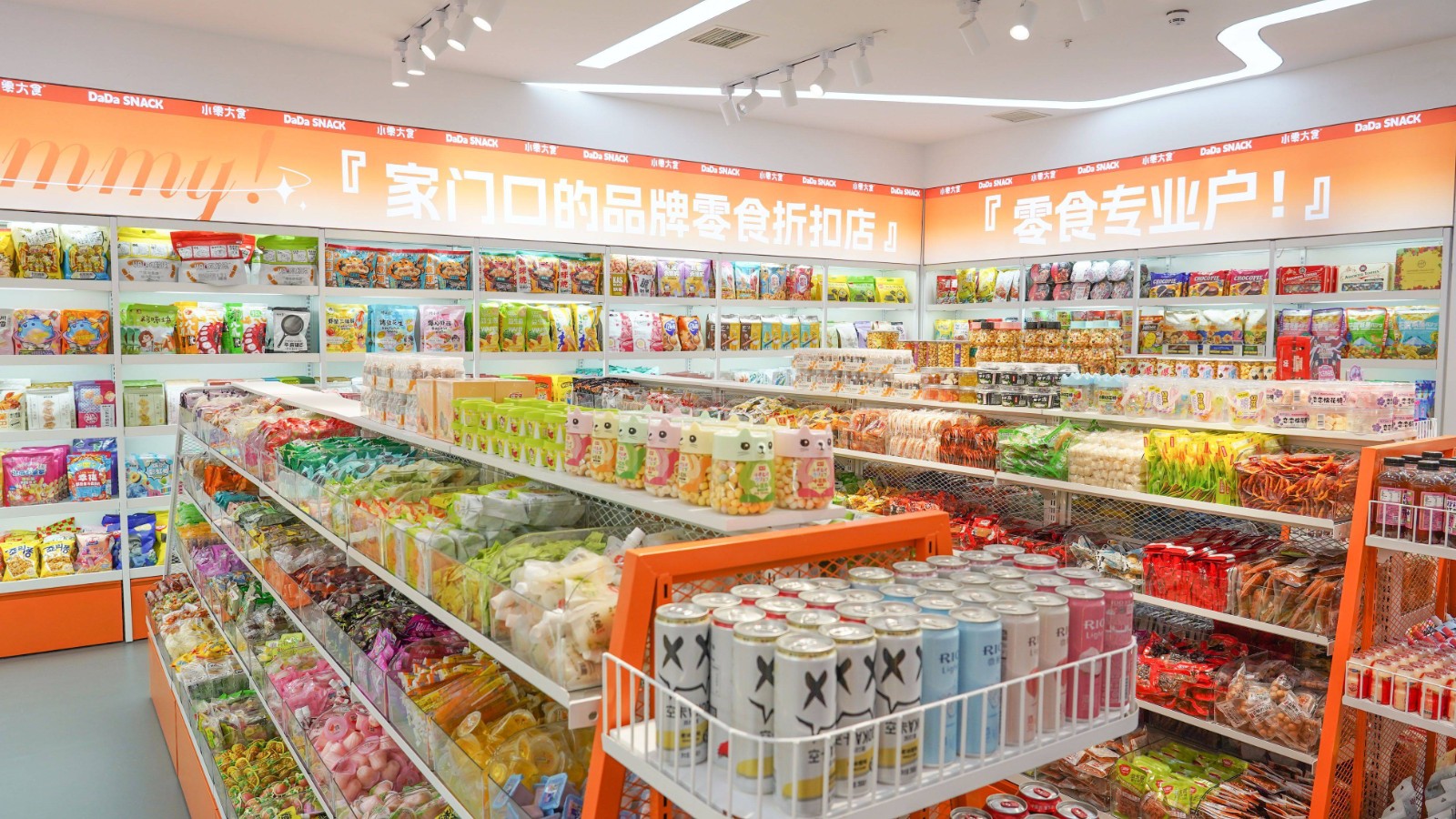
Jelly, coconut water, small cakes... these hit snacks on supermarket shelves are becoming favorites of more and more Muslim consumers. In recent years, driven by a huge population base and continuously upgrading consumption demand, the international Muslim snack market has kept expanding. Over the next five years, the global halal food market is expected to maintain a growth rate of around 6.8%, and by 2030 the market will exceed US$3.5 trillion, with snacks — an important sub-category of this field — benefiting in step. So, do you know what conditions these hit snacks must meet to be chosen by Muslim consumers?
Take jelly as an example: its rich flavors come from many flavoring ingredients. When applying for halal certification, these ingredients must be declared one by one, with no omission or false reporting. Compared with jelly, which has many flavors, the halal-certification process for coconut water is relatively simple.
Overall, casual snacks on supermarket shelves should pay particular attention to the following points during halal certification:
- Avoid pig gelatin, for example in products such as jelly and candy. If the process requires it, halal fish gelatin, beef-bone gelatin, carrageenan or pectin can be used instead.
- Avoid lard and pork floss. These are commonly used in pastries, biscuits and seaweed. Vegetable oil or halal chicken floss can be used instead.
- Watch the flavor dosage and residual alcohol. Muslims hold all directly ingested products to very high standards, and some flavors may have non-compliant residual alcohol from the extraction process.

A coconut-water factory inspected by SINOQUAL & HFC halal certification
At the same time, low-sugar, gluten-free and organic halal snacks are becoming the mainstream choice. Additive-free nut bars and cold-pressed fruit-and-vegetable crisps are rising rapidly in sales. Plant-based snacks are also gradually becoming popular, a new choice for many health-conscious consumers.
FAQ
- What key points should supermarket casual snacks watch out for in halal certification?
- Casual snacks should especially note: (1) avoid pig gelatin (as in jelly and candy) — if the process requires it, use halal fish gelatin, beef-bone gelatin, carrageenan or pectin instead; (2) avoid lard and pork floss (common in pastries, biscuits and seaweed) — use vegetable oil or halal chicken floss instead; (3) watch flavor dosage and residual alcohol — all directly ingested products face very high standards, and some flavors may have non-compliant residual alcohol from the extraction process. Taking jelly as an example, its rich flavors come from many flavoring ingredients, which must be declared one by one when applying for certification, with no omission or false reporting. The global halal food market is expected to grow at around 6.8% over the next five years, exceeding US$3.5 trillion by 2030.