
If you are looking for a high-potential market growth point, set your sights on 'kosher nuts and dried fruit.' They are not only nutritious and convenient healthy snacks, but also play a 'golden role' of culture and consumer trust on tables in Europe, the United States, Australia and Israel. Notably, this trend has evolved from a category exclusive to Jewish consumers into mainstream global healthy snacks and plant-based ingredients, with non-Jewish consumers becoming the main driver of growth.
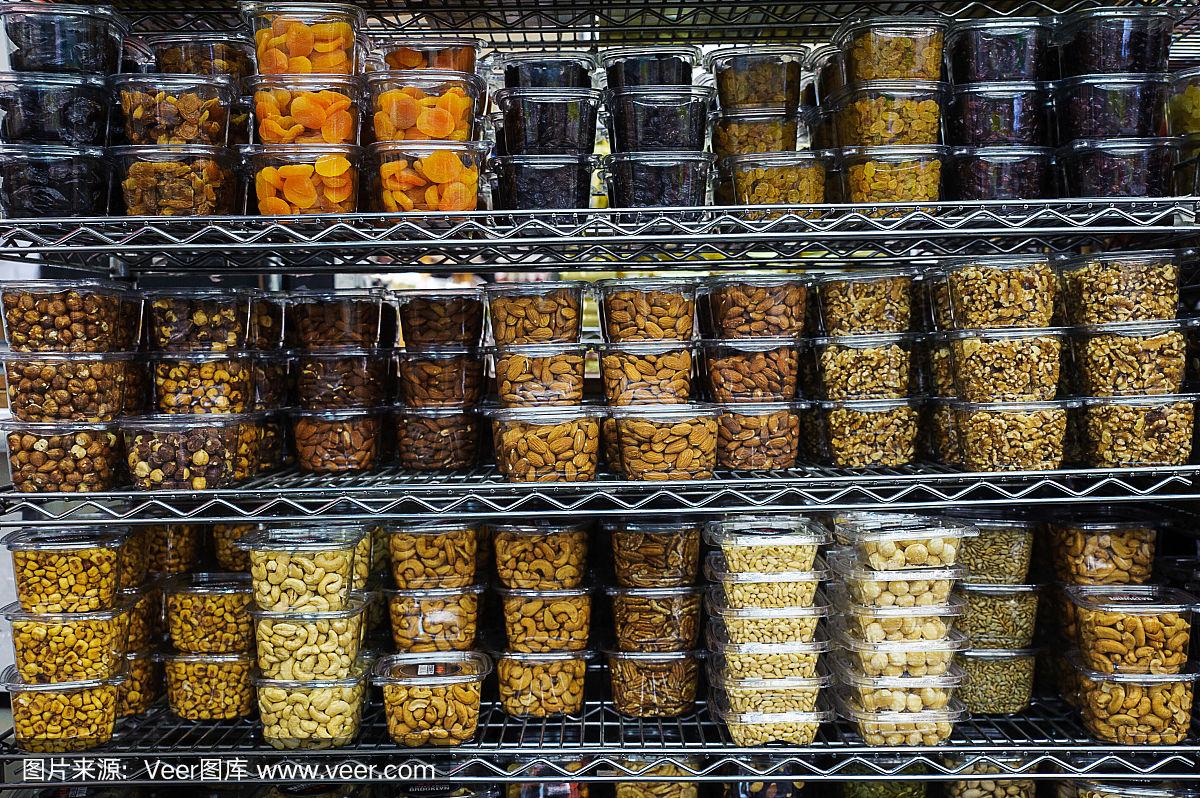
Assorted dried fruit and nuts in plastic containers packing supermarket shelves
From chestnuts and sunflower seeds to almonds, cashews and walnuts, behind every kernel lie three opportunities that cannot be ignored:
Faith-driven consumer loyalty
In Jewish dietary tradition, nuts and dried fruit are not just food but cultural symbols of festivals and daily life. From the symbolism of Passover to the desserts of the Sabbath, from the gifts of Hanukkah to the sweet blessings of the New Year, kosher-certified nuts and dried fruit — for their natural purity — become a medium connecting faith and life. Certification is not only about compliance, but also a bridge to building trust with high-repeat, high-loyalty consumers.

Natural nutrition + 'clean label,' fitting global trends
Compared with over-processed snacks such as fried or breaded products, nuts and dried fruit stand out for their clean ingredients and natural nutritional structure. Rich in quality fats, protein and antioxidants, they are not only an energy source but also a natural ally for heart health and blood-sugar management. In an era where 'ingredient transparency' has become mainstream, kosher certification represents a 'clean and trustworthy' quality promise, attracting not only Jewish consumers but all consumers who seek a clean label.
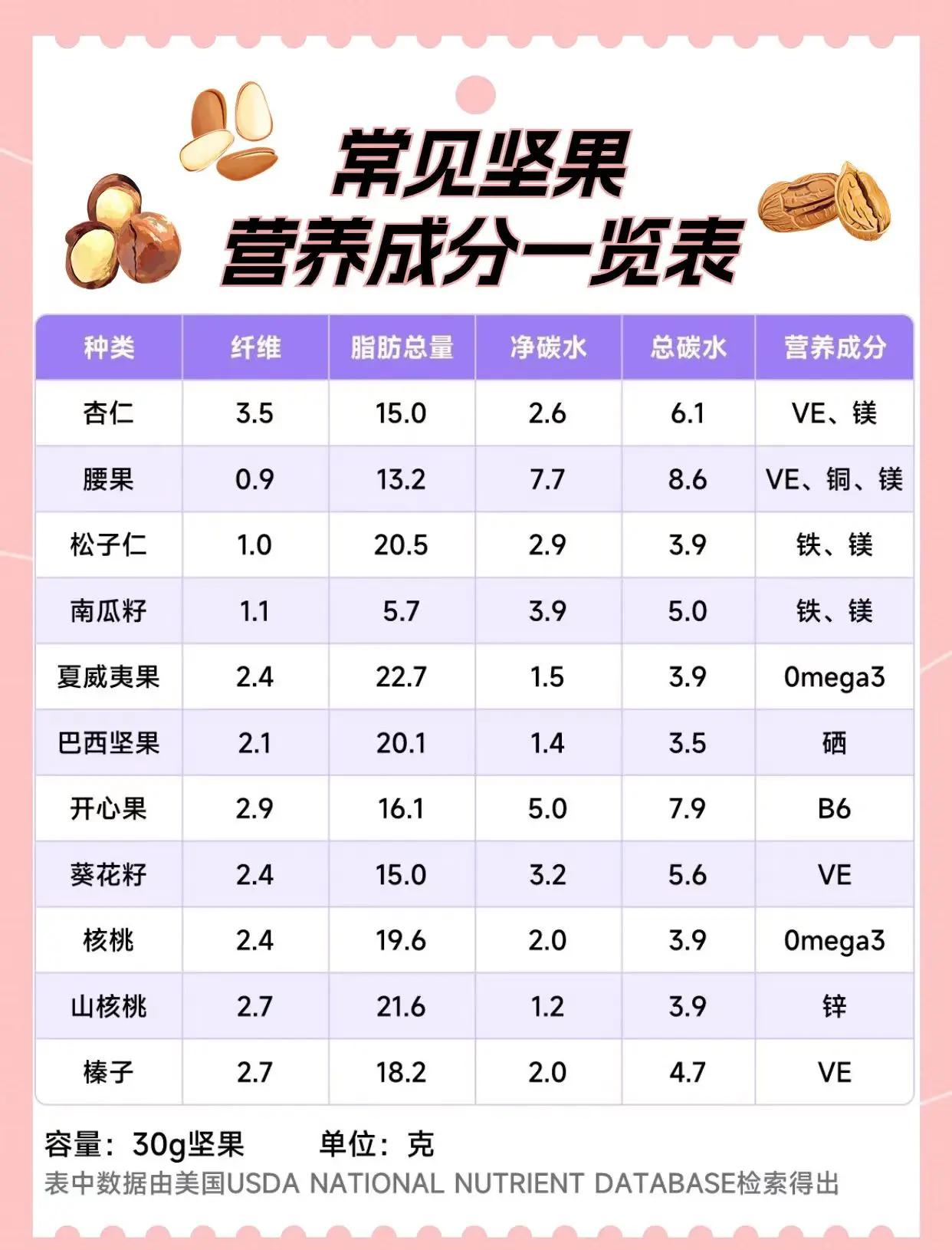
Cultural integration and expanded use cases, opening a broad market
In the United States, sunflower seeds may not be a mainstream snack, yet they set the mood in baseball culture; in Europe, almonds and walnuts are widely used in baking and festive pastries; and in Israel, dates and figs are daily and festival essentials. These scenarios show that nuts and dried fruit have long transcended the snack category and integrated into diverse food cultures. Through kosher certification, brands can naturally enter high-value tracks such as festival gifts, breakfast pairings and baking ingredients.
Now is the time to bring your products to this fast-growing, category-innovating, health-oriented and sustainable market.
SINOQUAL focuses on providing one-stop kosher certification consulting and strategic support for nut and dried-fruit enterprises, and has helped many brands successfully enter European and American supermarkets, Jewish communities and premium health-food channels. Certification is not just an entry pass, but a key step toward brand internationalization and trust upgrading.
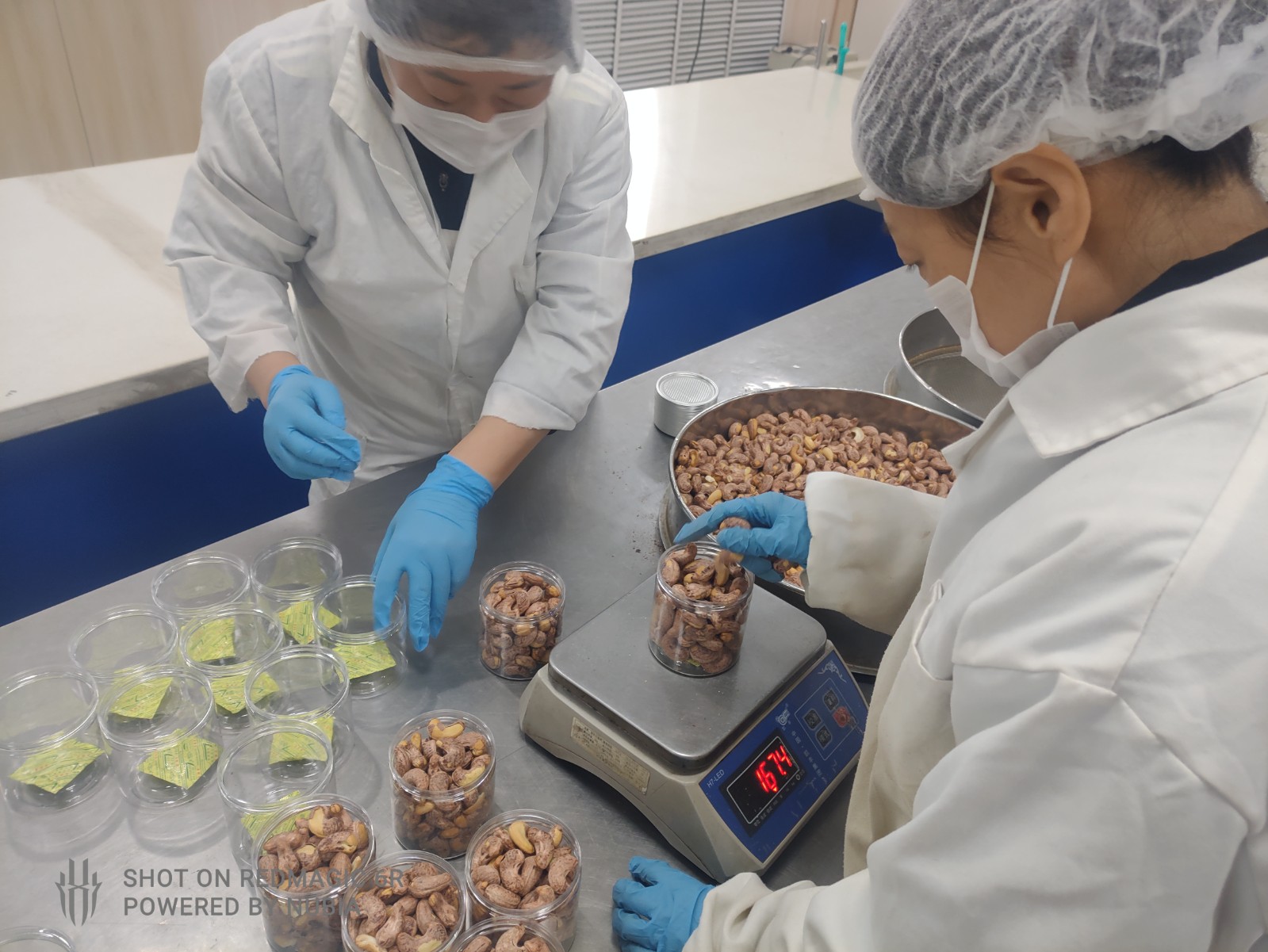
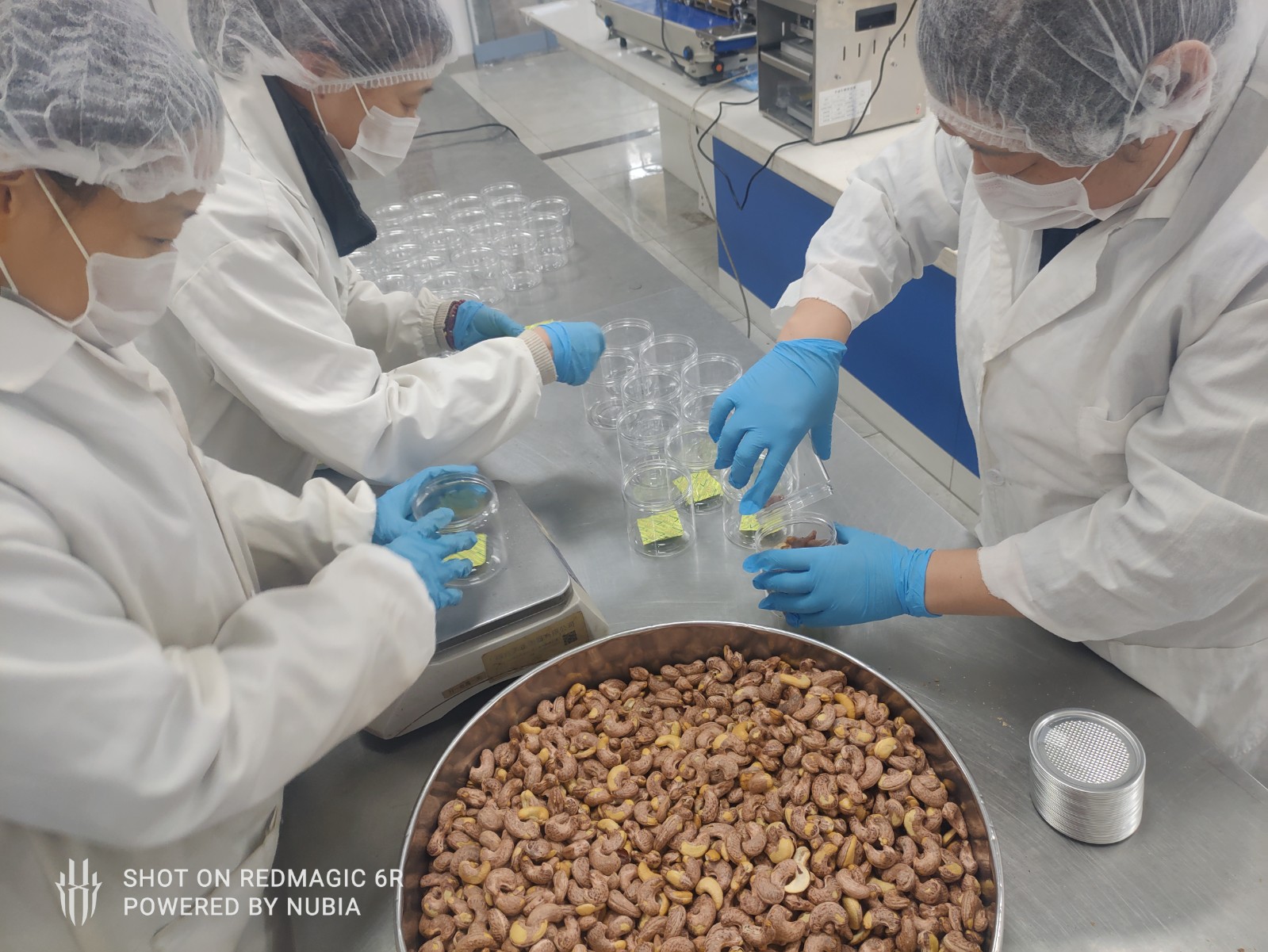
SINOQUAL on-site audit at a nut enterprise
Certification tips
1. Keep to a purity baseline and avoid flavor additives
In past certification cases, some companies added flavoring substances from non-clean sources — such as salty flavor essences and chicken powder — during the roasting or drying of nuts and dried fruit to improve taste. This can easily contaminate the production line, lengthening the certification cycle or even causing certification to fail. Keeping ingredients natural is therefore the first threshold to passing kosher certification efficiently.
2. Fat/oil auxiliary materials must be compliant at the source
If the process involves adding vegetable oil (spraying, seasoning, etc.), the oil itself must come from a supplier with valid kosher certification. The cleanliness of auxiliary materials determines the cleanliness of the finished product; certified enterprises must not let unclear sourcing of auxiliaries affect the certification eligibility of the whole batch.
FAQ
- Why have kosher nuts and dried fruit become a growth point for global healthy snacks?
- Kosher nuts and dried fruit have grown from a category exclusive to Jewish consumers into mainstream global healthy snacks and plant-based ingredients, with non-Jewish consumers now the main driver of growth. The category offers three opportunities: (1) faith-driven consumer loyalty — in Jewish dietary tradition, nuts and dried fruit are cultural symbols of festivals and daily life (Passover, the Sabbath, Hanukkah, the New Year, etc.), so kosher certification is a bridge to building trust with high-repeat, high-loyalty consumers; (2) natural nutrition plus a 'clean label' that fits global trends — rich in quality fats, protein and antioxidants, with kosher certification signaling a 'clean and trustworthy' quality promise; and (3) cultural integration and expanded use cases — allowing brands to enter high-value tracks such as festival gifts, breakfast pairings and baking ingredients.
- What should nut and dried-fruit companies watch out for when pursuing kosher certification?
- Certification tips: (1) Keep to a purity baseline and avoid flavor additives — in past certification cases, some companies added flavoring substances from non-clean sources, such as salty flavor essences and chicken powder, during roasting or drying to improve taste, which can easily contaminate the production line, lengthen the certification cycle or even cause certification to fail; keeping ingredients natural is the first threshold to passing kosher certification efficiently. (2) Fat/oil auxiliary materials must be compliant at the source — if the process involves adding vegetable oil (spraying, seasoning, etc.), the oil itself must come from a supplier with valid kosher certification; the cleanliness of auxiliary materials determines the cleanliness of the finished product, so do not let unclear sourcing of auxiliaries affect the certification eligibility of the whole batch.