
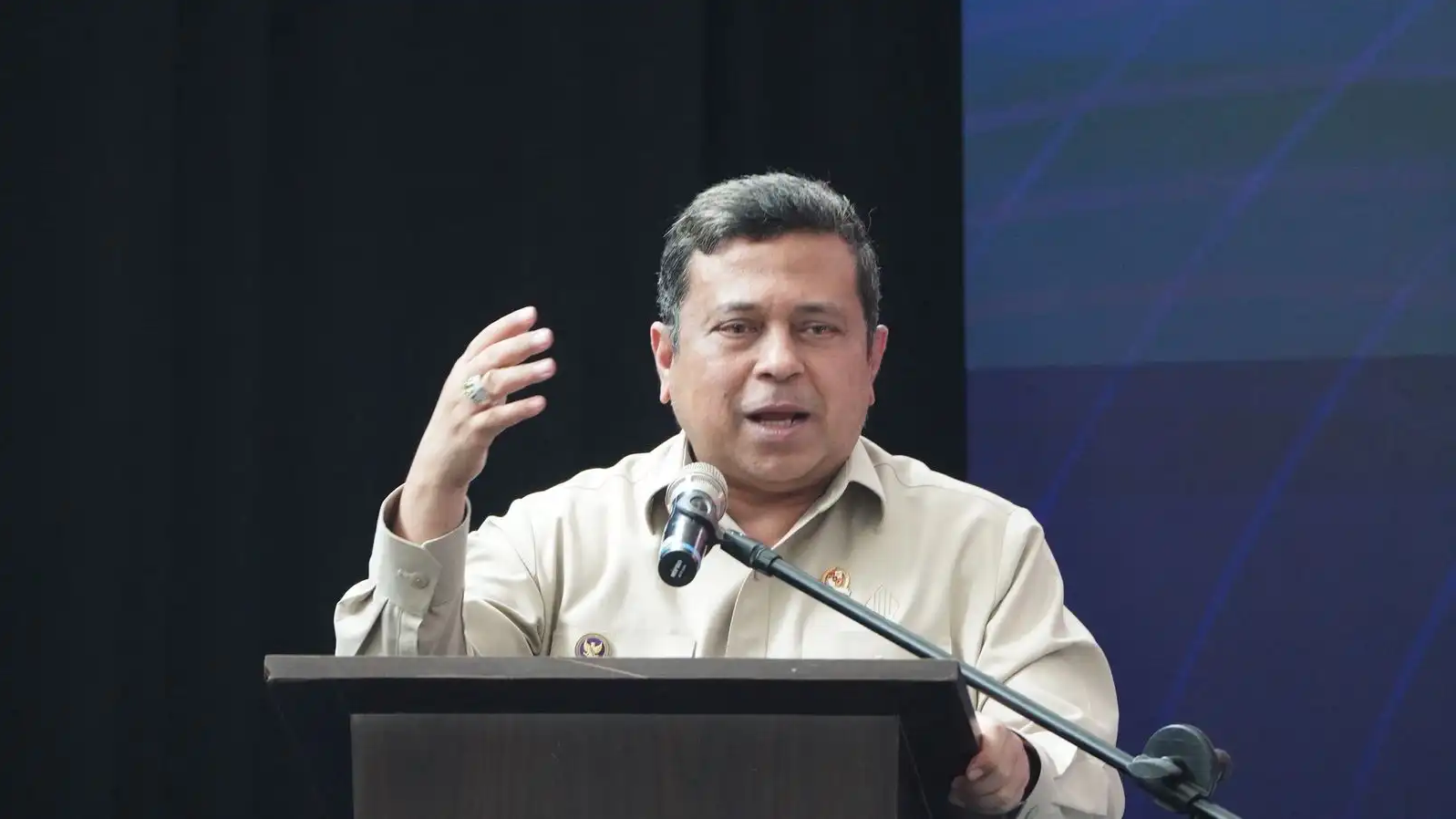
JAKARTA, 16 April 2026 – Indonesia's Halal Product Assurance Agency (BPJPH) stressed that halal certification is a key factor in boosting the global competitiveness of Indonesia's textile industry. BPJPH Head Ahmad Haikal Hasan said this at a textile-industry seminar held at JIExpo Kemayoran, Jakarta, under the theme “A Halal Strategy for the Global Textile Industry: Building Competitive Advantage through Halal,” part of the INDO INTERTEX exhibition.
He noted that halal has now developed into part of a global industry, relating not only to the religious dimension but also to product quality and trust.
“Halal has become a world industry. The textile industry must obtain halal certification, because its products come into direct contact with our bodies,” said Ahmad Haikal — affectionately known as Babe Haikal.
He argued that halal certification for textiles not only guarantees compliance with religious requirements, but also raises the added value and competitiveness of Indonesian products in the international market.
“Indonesia's textile industry, once halal-certified, will have greater opportunities in global competition,” he added.
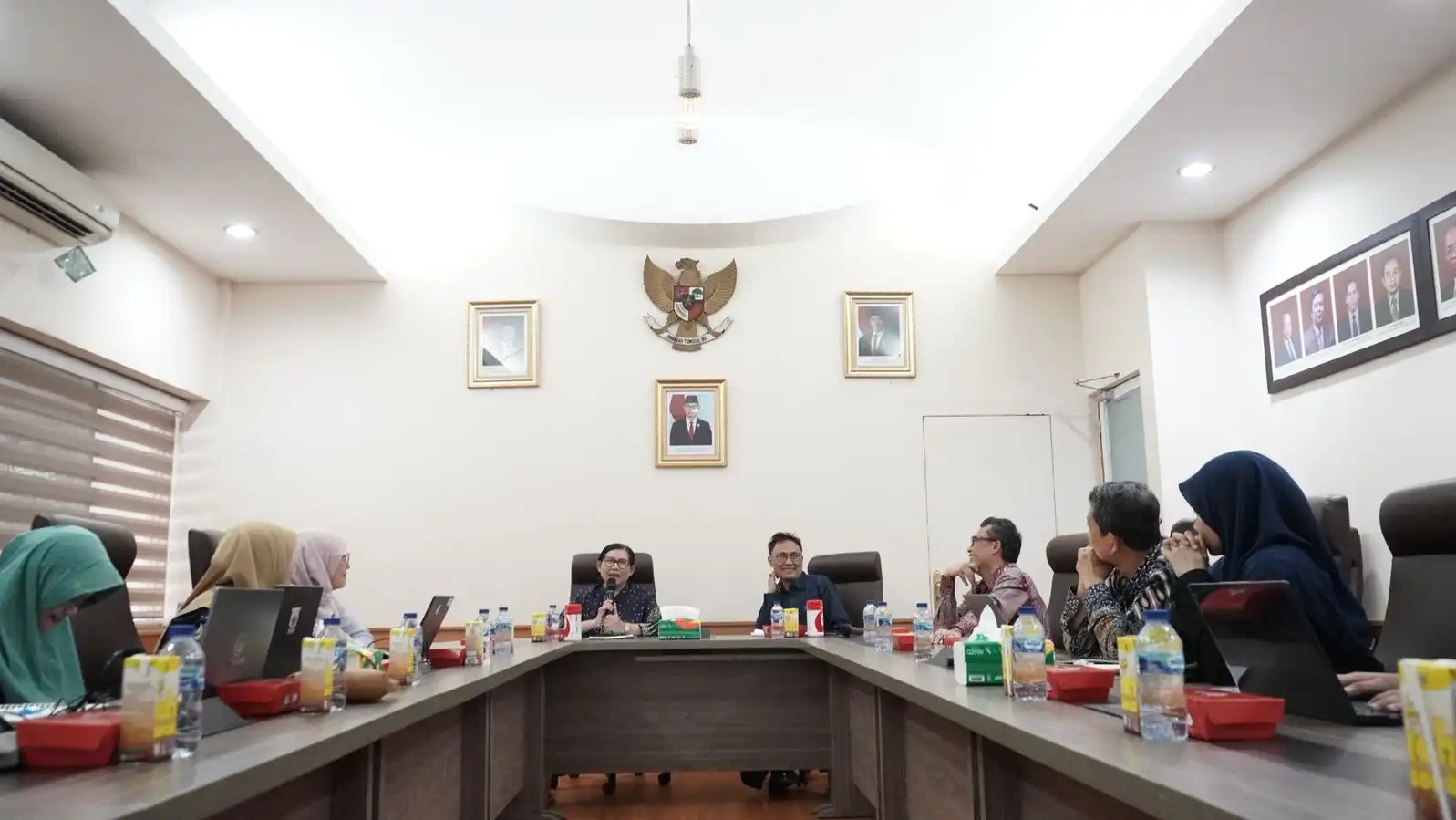
On the same occasion, Shobirin F Hamid, chair of the Indonesian Textile Experts Association (IKATSI), voiced support for applying halal certification to textiles and everyday goods circulating in Indonesia.
“We support requiring textiles or everyday goods circulating in Indonesia to be halal-certified. This is very important for enhancing business competitiveness,” Shobirin said.
Meanwhile, Sapta Nirwandar, chairman of the Indonesia Halal Lifestyle Center, stressed that the concept of halal should be seen as part of a modern lifestyle, embodying aesthetics, health, quality, creativity and innovation.
“Halal should become a lifestyle, because it encompasses aesthetics, health, quality, creativity and innovation,” he explained.
The seminar also featured Ida Nuramdhani, honorary professor of textile chemistry at STTT Bandung. It drew textile and apparel operators keen to explore the development opportunities of the halal-based industry.
Through this event, BPJPH hopes that more domestic textile players will make halal certification part of their business strategy, thereby strengthening Indonesia's position as an important player in the global halal industry.
FAQ
- How does halal certification help boost the competitiveness of Indonesia's textile industry?
- Indonesia's Halal Product Assurance Agency (BPJPH) stressed that halal certification is a key factor in boosting the global competitiveness of Indonesia's textile industry. BPJPH Head Ahmad Haikal Hasan noted that halal has developed into part of a global industry, relating not only to religion but also to product quality and trust, and that the textile industry must obtain halal certification because its products come into direct contact with the body. Halal certification for textiles not only guarantees compliance with religious requirements but also raises the added value and competitiveness of Indonesian products in the international market, giving certified textile firms greater opportunities in global competition. The Indonesian Textile Experts Association (IKATSI) supports applying halal certification to textiles and everyday goods circulating in Indonesia.