
To ensure the compliance of halal production and to regulate the products used for equipment cleaning and disinfection, this guide clarifies the halal certification and usage requirements for various cleaning agents and disinfectants. All related operations must strictly follow this guide and the company's internal standards.
I. Cleaning-Agent Requirements for Halal Production
Cleaning agents used for equipment must strictly meet halal production standards; non-halal cleaning agents are prohibited. Specific requirements and required documents:
(1) Halal requirements and required documents by type
Organic-compound cleaning agents: provide the agent's Material Safety Data Sheet (MSDS), plus a pork-free declaration confirming the agent contains and has not contacted any pork-derived ingredients.
Cleaning agents based on water or sodium hydroxide: provide only the MSDS, confirming the composition meets halal standards.
Cleaning agents based on ethanol: provide the MSDS plus a declaration that the alcohol does not originate from an alcoholic-beverage plant.
(2) Commonly compliant cleaning agents
The following commonly used cleaning agents are compliant by default and may be used directly for halal production equipment: water, nitric acid, hydrochloric acid, sulfuric acid, sodium hydroxide, sodium carbonate, potassium hydroxide, and the like.
(3) Additional requirements for special cleaning agents
Cleaning agents containing ingredients such as fragrances or enzymes are not compliant by default and require additional valid halal supporting documents (e.g., halal certificate, process flow chart, halal compliance declaration); they may be used only after confirmation.
(4) Usage notes for cleaning agents
The type, specification, usage method, and procedure of the cleaning agents used must be fully consistent with the description in your company's Cleaning Standard Operating Procedure (Cleaning SOP); unauthorized changes to agent type or non-compliant operation are prohibited.
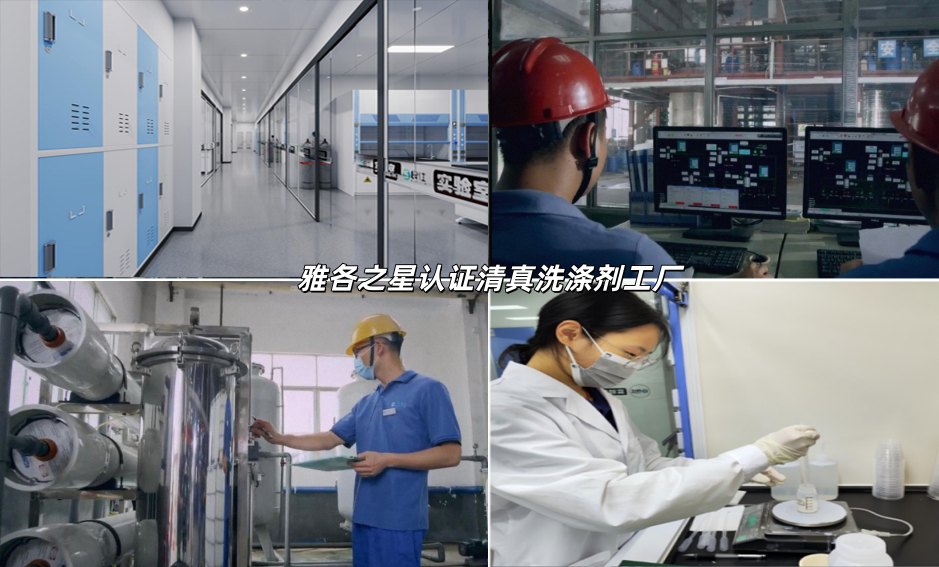
II. Disinfection Requirements for Halal Production
(1) Compliant disinfection methods and disinfectants
Most known chemical disinfectants and ultraviolet disinfection methods meet halal production requirements and may be used directly. Commonly compliant chemical disinfectants include: formaldehyde, potassium permanganate, ethanol, peracetic acid, ethylene oxide, and hydrogen peroxide.
(2) Usage notes for disinfectants
The type, concentration, and usage method of the disinfectants used, as well as the disinfection method adopted, must be fully consistent with the description in your company's Disinfection Standard Operating Procedure (Disinfection SOP).
III. Overall Requirements
Companies must establish and maintain a management ledger for cleaning agents and disinfectants, detailing all products used for equipment cleaning and disinfection, and periodically review their supporting documents (MSDS, halal supporting documents, etc.) to ensure ongoing compliance and safeguard halal-product compliance at the source.
FAQ
- What are the requirements for cleaning agents and disinfectants in halal production?
- Cleaning agents used on equipment must meet halal production standards; non-halal agents are prohibited. Organic-compound cleaning agents require an MSDS plus a pork-free declaration; water- or sodium-hydroxide-based agents require only an MSDS; ethanol-based agents require an MSDS plus a declaration that the alcohol does not originate from an alcoholic-beverage plant. Water, nitric/hydrochloric/sulfuric acid, sodium hydroxide, sodium carbonate, and potassium hydroxide are compliant by default; agents containing fragrances or enzymes need additional halal supporting documents. For disinfection, most known chemical disinfectants (formaldehyde, potassium permanganate, ethanol, peracetic acid, ethylene oxide, hydrogen peroxide) and UV methods are compliant. The type, specification, and usage of both cleaning agents and disinfectants must fully match the company's Cleaning SOP and Disinfection SOP.