
Complete Guide to Indonesia BPJPH Cosmetics Halal Certification
I. Preliminary preparation for Halal certification
1. Factory materials: You need to submit the Halal certification product application form, a declaration of no pork source in equipment and ingredients, the product process flow chart, factory qualifications (business license, production license, ISO/HACCP certificates), the factory floor plan, etc. When preparing, customers should especially note that the company, factory, and product information on the application form is the information that will appear on the final certificate, so it must be properly filled in both Chinese and English and checked for accuracy.
2. Building the Halal certification system: Establish the SJPH (Halal Assurance System), including formulating a Halal policy, a list of materials and material supporting documents, internal training records, internal audit and management review reports, and other documents. SINOQUAL provides templates and filling guidance; simply fill in and prepare according to the arranged timeline and requirements.
II. Application and pre-review
SINOQUAL submits the factory registration materials to the BPJPH official website and conducts a pre-review of the factory based on the on-site audit content. Below are common issues and solutions at this stage:
1. Regarding brands. According to Indonesian Halal regulations, retail products must register a brand name. Before filling in the materials, it is recommended to prepare an English brand name in advance (it can be an unregistered trademark).
2. Material challenges. 1) The names of cosmetic materials to be reviewed for Halal certification cover the trade name, common name, and INCI name. To effectively reduce audit difficulty, enterprises must ensure that the material names used when submitting registration are consistent with the material names recorded in internal operating records or the ERP system. 2) Cosmetics may generally involve some animal-source raw materials such as collagen and snake oil; SINOQUAL will guide on whether they can be used; if usable, it will further guide on the supplementary materials needed for BPJPH Halal certification audit for different animal-source raw materials. In addition, as one of the common cosmetic materials, fragrance must have a Halal certificate qualification recognized by the body. 3) Alcohol from non-distillery sources can be used as a solvent, but a source declaration should be provided as supporting evidence. 4) In general, cosmetic materials are numerous and complex; to avoid duplicate work, when preparing material supporting documents, ensure each material supporting document is issued by its manufacturer. When foreign manufacturers' materials are temporarily out of stock, prepare COA/MSDS to verify the manufacturer and country, and never omit raw materials.
3. Label preparation. When preparing product labels, note that they correspond one-to-one with the products to be certified. If a fully English label cannot be prepared in time, only the product name and brand portion may be translated. If the product has water-resistant properties, the body will require a water-resistance test as supporting evidence (only test reports issued by an ISO 17025 laboratory are recognized).
4. Other notes. Pay attention to the completeness of materials (plans, records, reports), consistency (matching the factory's actual situation, e.g., the raw material list must match procurement records, and the factory formula sheet must be consistent with the BOM and matrix chart), and compliance (e.g., no text or images containing Halal taboos).
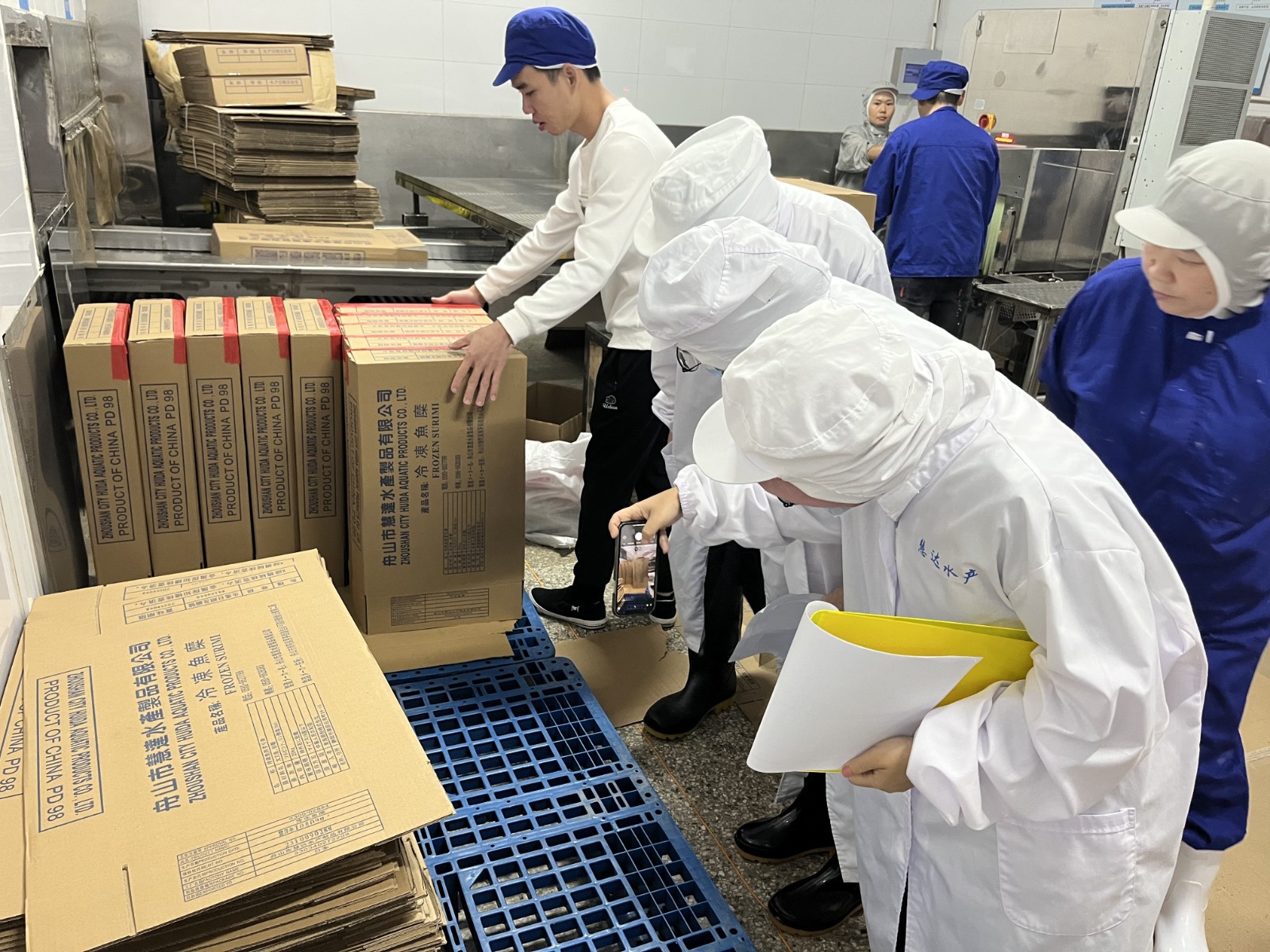
5. If a factory produces both Halal-certified products and non-Halal-certified products, it is recommended to separate the facilities for Halal-certified and non-Halal-certified products and mark "Halal-only" facilities and "non-Halal-only" facilities. If facilities can only be shared - that is, the factory produces both certified and non-certified products on the same equipment - then the shared-line non-Halal materials must not contain Halal taboo ingredients, and supporting documents must be provided as evidence.
6. Incoming material inspection record form (inspection items must include country of origin and manufacturer), storage records, material requisition records, raw material procurement contracts and invoices, production records, inbound/outbound cards, pest control records, in-process inspection records (if any), equipment cleaning records, post-cleaning equipment cleanliness verification records (if verification is required in the SOP), vehicle hygiene inspection forms (raw materials and finished products), transportation and logistics agreements, sales records, supply chain traceability documents (traceability drill cases, recall reports), etc.
III. On-site audit and rectification
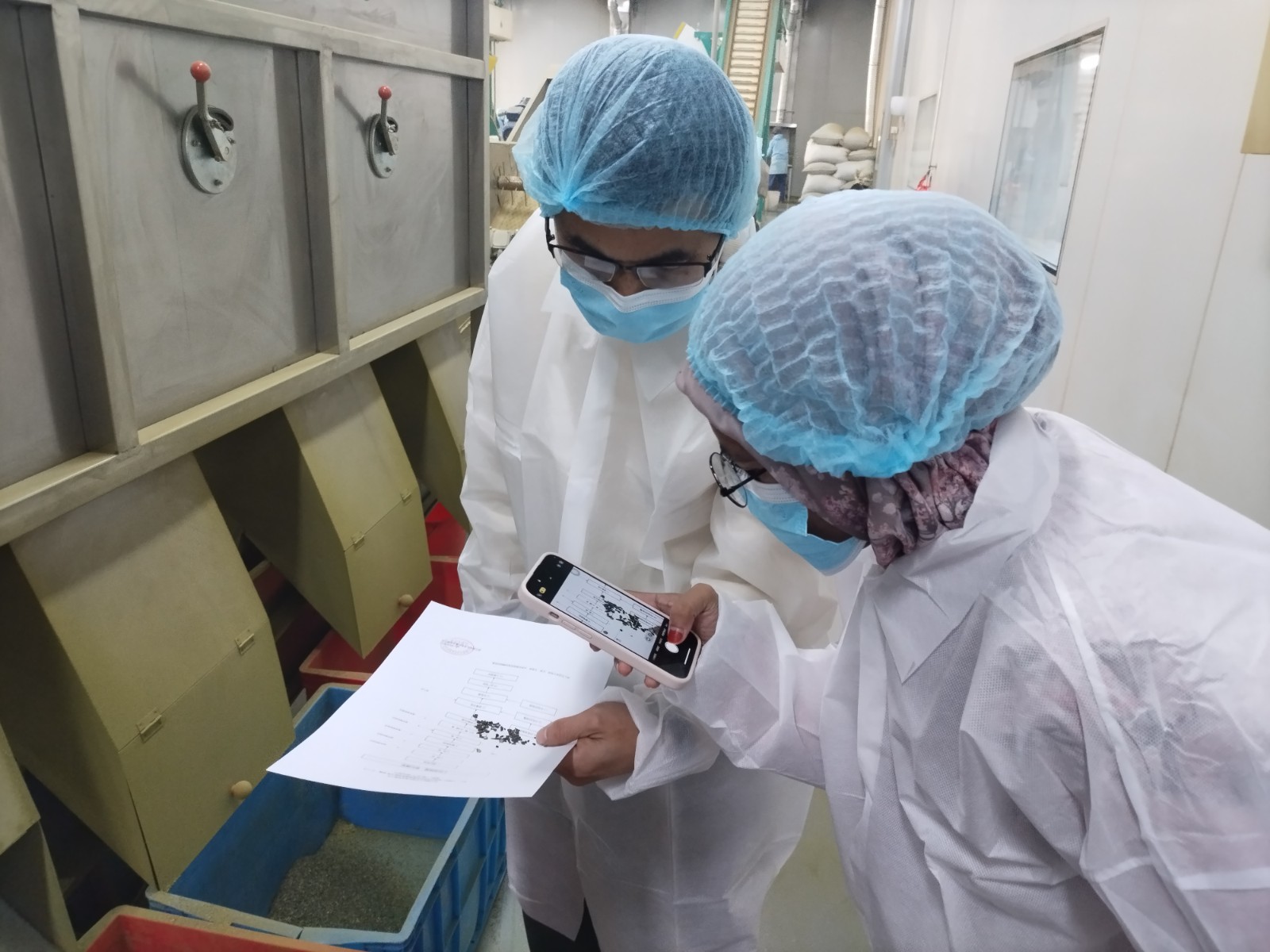
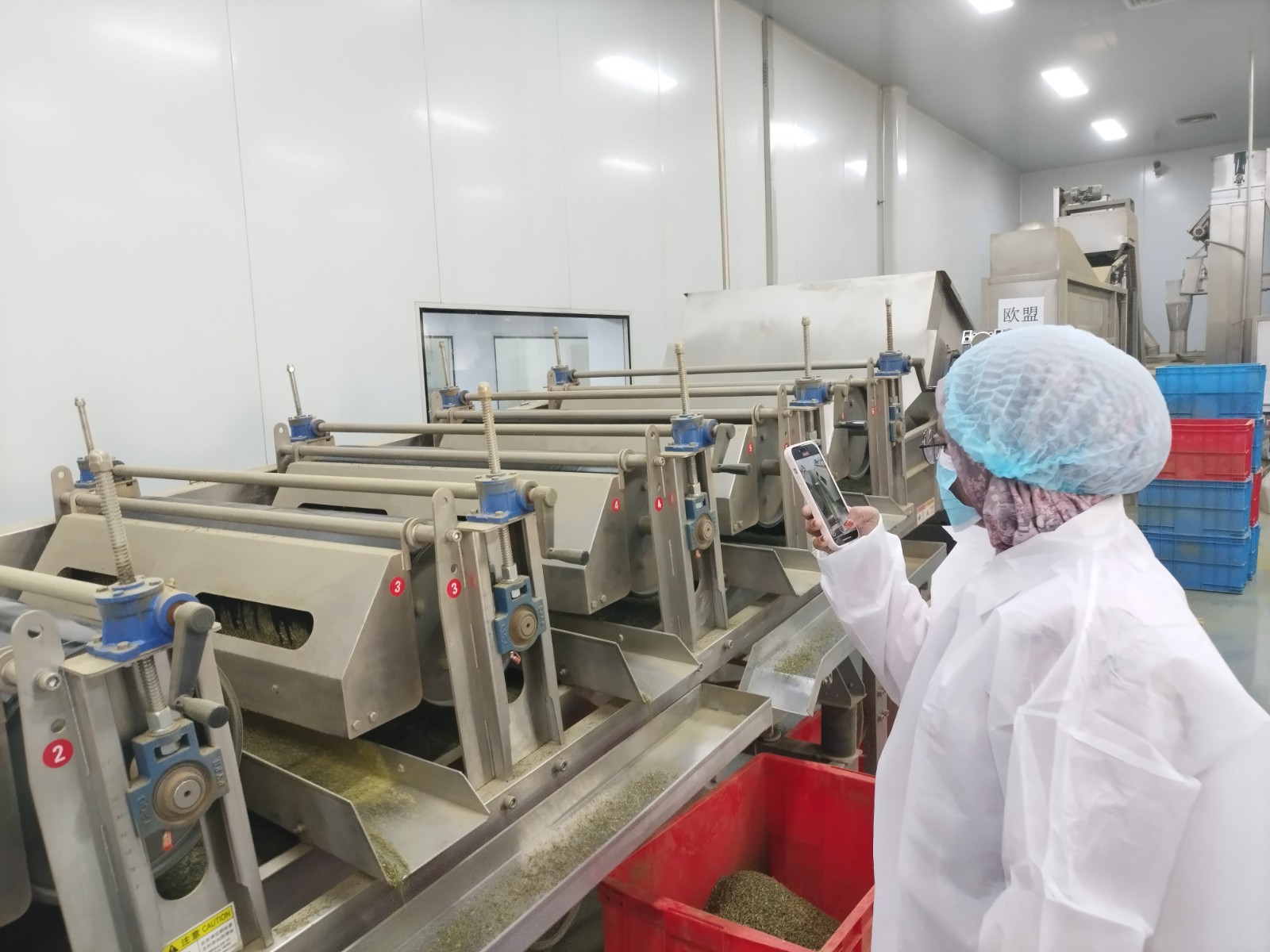
The Halal auditor conducts document inspection and on-site inspection of production facilities, raw material management, hygiene standards, etc., focusing on verifying whether Halal and non-Halal production areas are separated, equipment cleanliness, and the completeness of records. If there are non-conformities, they will be recorded in the audit report; SINOQUAL will translate the report and guide how to rectify.
IV. Granting of the Indonesian Halal certificate
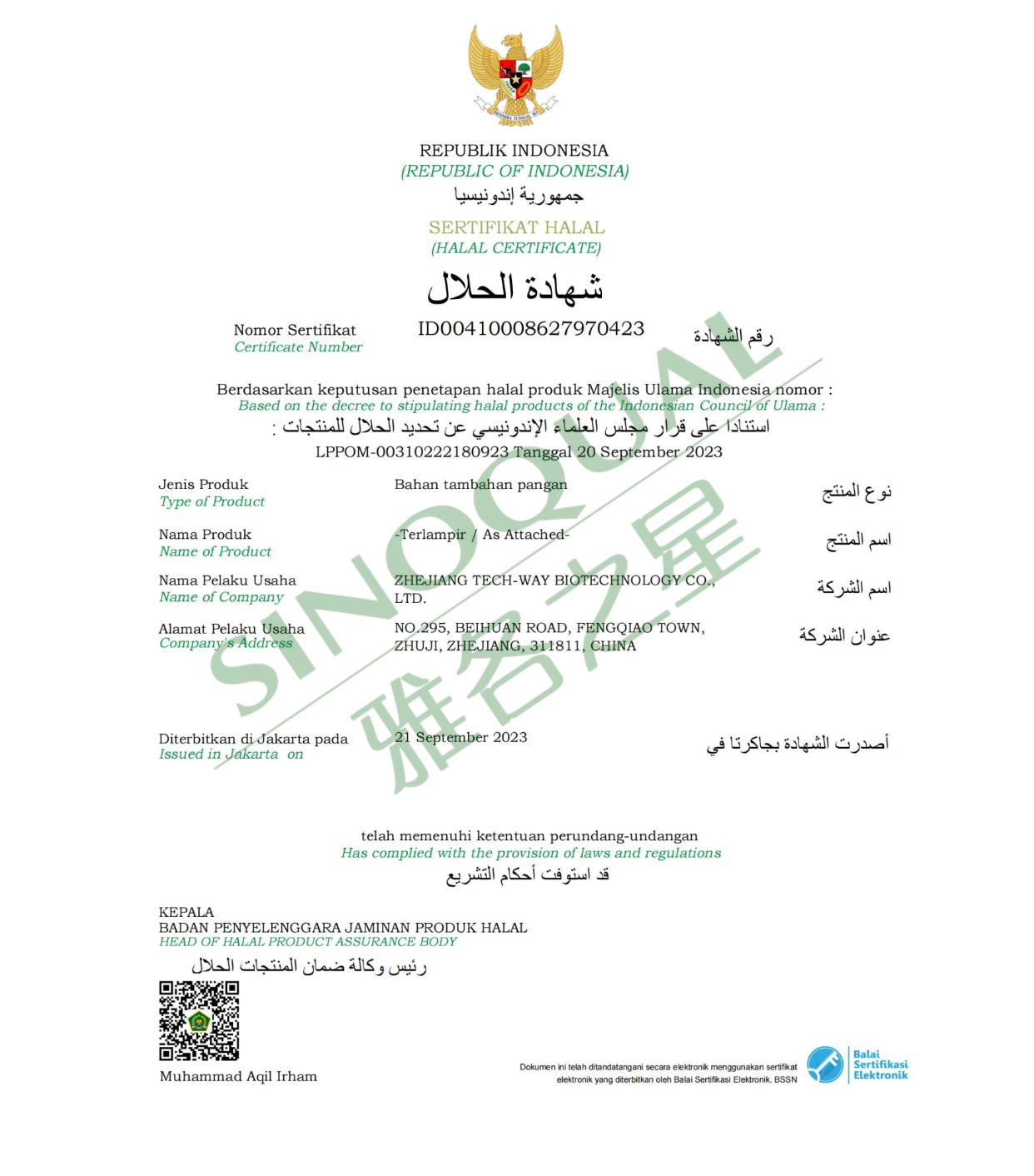
After all non-conformities are rectified, the plan enters the Fatwa meeting, a certificate evaluation committee composed of Indonesia's Islamic jurisprudence ruling body. The Fatwa committee judges, from a jurisprudential perspective, whether the product meets Halal standards. Once the Fatwa meeting passes, the certificate can be arranged.
FAQ
- What does the preliminary preparation and system building for Indonesia BPJPH cosmetics Halal certification involve?
- Preliminary preparation includes two parts: 1) Factory materials - submit the Halal certification product application form, a declaration of no pork source in equipment and ingredients, the product process flow chart, factory qualifications (business license, production license, ISO/HACCP certificates), the factory floor plan, etc. Note that the company, factory, and product information on the application form is what will appear on the final certificate, so it must be properly filled in both Chinese and English and checked for accuracy. 2) Building the Halal certification system - establish the SJPH (Halal Assurance System), including formulating a Halal policy, a material list and material supporting documents, internal training records, and internal audit and management review reports; SINOQUAL provides templates and filling guidance.
- What should be noted regarding materials when cosmetics apply for Indonesia BPJPH Halal certification?
- Material notes include: the material names used when submitting registration (covering trade name, common name, and INCI name) must be consistent with internal operating records or the ERP system; cosmetics may involve animal-source raw materials such as collagen and snake oil, and SINOQUAL will guide on whether they can be used and on supplementary materials; fragrance must have a Halal certificate qualification recognized by the body; alcohol from non-distillery sources can be used as a solvent but a source declaration should be provided; material supporting documents must be issued by the manufacturer, and when foreign manufacturers have no stock, COA/MSDS must be prepared to verify the manufacturer and country, never omitting raw materials. In addition, if the product has water-resistant properties, a water-resistance test is required (only ISO 17025 laboratory reports are recognized).