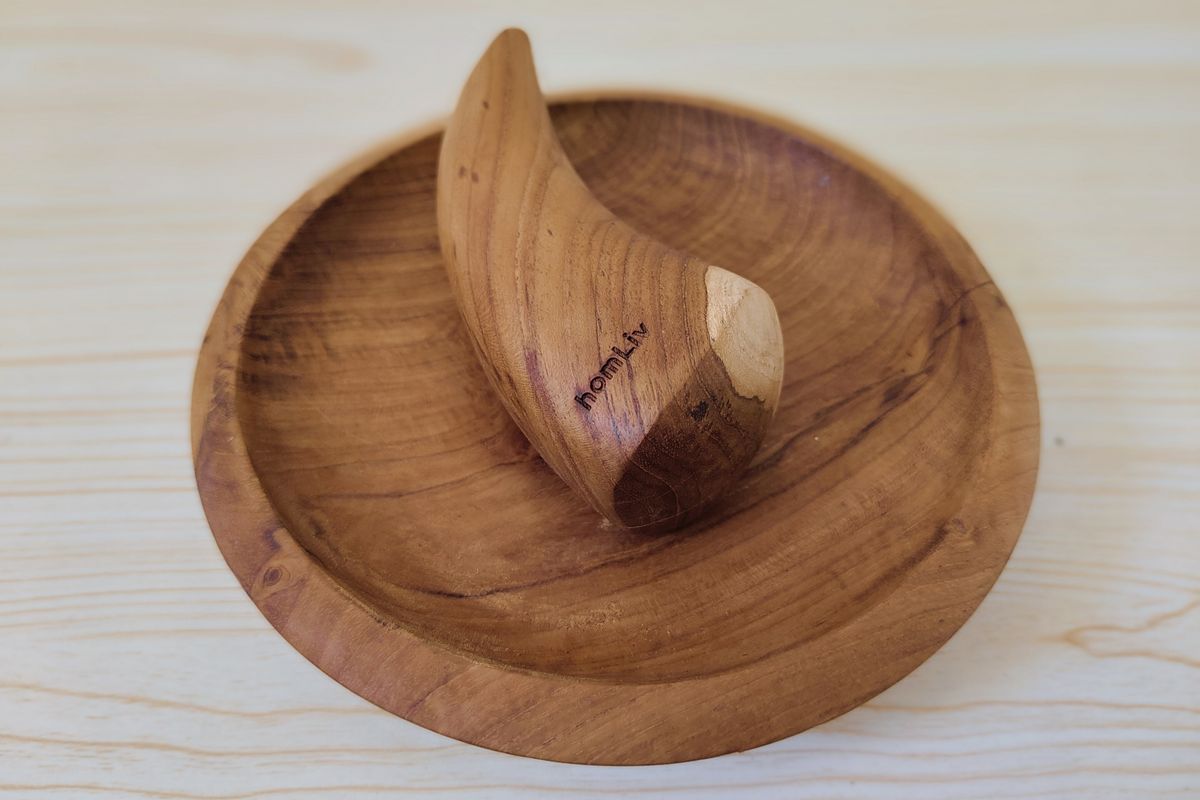
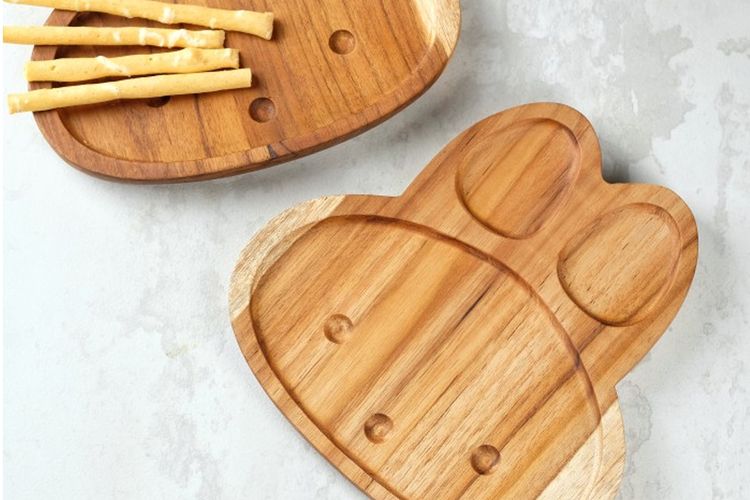
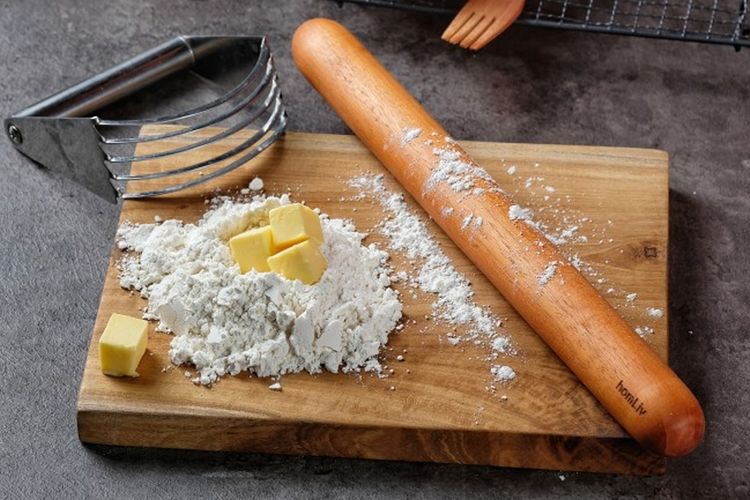
Cookware comes into direct contact with our daily food, so it bears directly on health and safety, which makes choosing safe, reliable cookware essential. Among the many materials available, wooden cookware draws attention for its natural properties. As one of the local wooden-cookware producers, homLiv uses Indonesian Halal certification to demonstrate its rigorous control over health and safety, and has become the first local wooden-cookware manufacturer in Indonesia to obtain the certification. “Consciously or unconsciously, the thing that most often comes into contact with food is the cookware itself. So we believe that obtaining Halal certification is very helpful in showing how seriously we take this,” homLiv's owner and operator, Yudiana Lyn, told Kompas.com. First in Indonesia with Halal certification, strengthening differentiation: Yudiana noted that there are many wooden-cookware options on the market today. To stand out from competitors, homLiv became the first wooden-cookware maker in Indonesia to pass Indonesian Halal certification. “Perhaps the food itself is already halal, but the cookware that touches the food should also be Halal-certified. Getting these details right really is about strengthening our positioning,” she said. She added that homLiv's Halal certification is not only used for marketing communication but is also the foundation for building consumer trust; the brand pursues affordable pricing while making safe use its top priority. Standards cover the whole process, preventing contact with non-Halal substances: On the criteria for whether a piece of cookware can be Halal-certified, Yudiana explained that the core lies in controlling raw materials and the production process. “From the selection of the wood and the shaping of the wood, through to the final finishing stage, it must be ensured that it does not come into contact with any substance that is not Halal in nature,” she said. The non-Halal substances referred to here typically include animal-derived ingredients (such as certain waxes/oils and fatty-acid salts), alcohol-containing solvents, and binders or surface-treatment aids of unknown origin. Only by controlling raw materials and processes throughout can the requirements of Halal certification be met. Product features and proof: no chemical coatings, with test reports attached: homLiv starts with transparency in materials and craftsmanship — its wooden cookware carries 100% no chemical coatings. The brand also provides laboratory test results proving that its products contain no wood-preservative components. These product characteristics align with the requirements of Indonesian Halal certification, together forming the brand's value loop in health, safety and Halal compliance.
FAQ
- What Halal certification milestone did homLiv achieve in Indonesia's wooden-cookware sector?
- homLiv became the first local wooden-cookware manufacturer in Indonesia to obtain Indonesian Halal certification. Owner Yudiana Lyn noted that cookware is the item that most often touches food, so cookware that contacts food should also be Halal-certified; homLiv uses this to strengthen its differentiated positioning and build consumer trust. The core of certification lies in whole-process control of raw materials and production: from wood selection and shaping to the finishing stage, the product must not contact any non-Halal substance (such as animal-derived ingredients, alcohol-containing solvents, or binders/surface-treatment aids of unknown origin). Its wooden cookware carries 100% no chemical coatings, and the company provides laboratory test reports proving the products contain no wood-preservative components.