
In his speech, Muhammad Aqil Irham explained that Halal certification is not only related to the religious aspect but also involves the economic aspect, providing broader business opportunities for business players producing Halal products. Halal has now become a lifestyle, and in recent years is expected to reach $2.8 trillion by 2025. The world Muslim population is also expected to reach 2.2 billion by 2030.
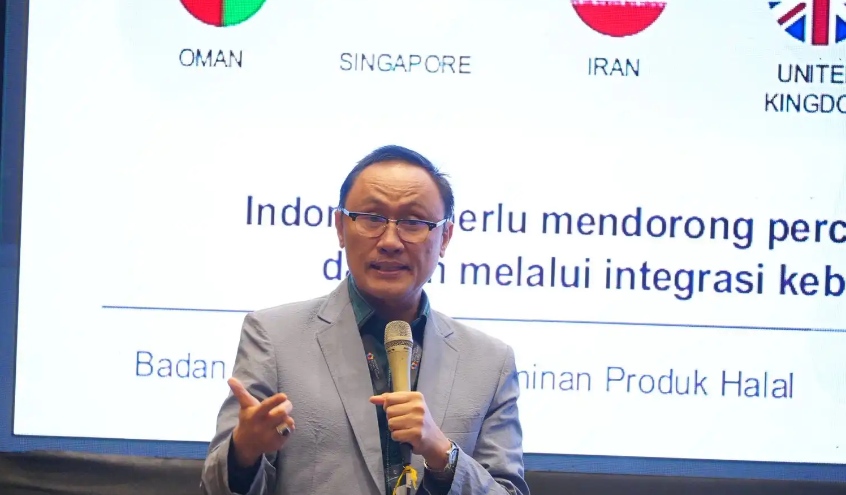
Data show that the Halal industry is expected to continue to grow rapidly each year. According to the State of the Global Islamic Economy Report 2024/2025 (SGIER), in recent years global Muslim consumer spending has involved not only the food industry (food and beverages) but also non-food industries such as cosmetics, pharmaceuticals, tourism, fashion, consumer goods, and Halal lifestyle, and this figure is expected to continue to increase.
With the projected increase in world Muslim spending, Indonesia has a strategic opportunity to strengthen Halal product trade and expand its role in the global supply chain. Indonesia currently ranks third in the Global Islamic Economy Indicator (SGIER 2024/2025).
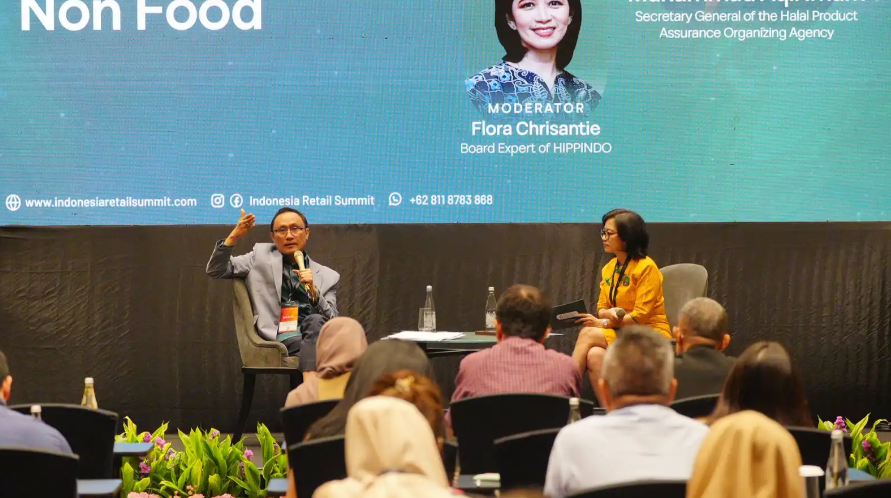
In addition to the seminar, a meeting was held after the Indonesia BPJPH conference, attended by domestic and international retail players, manufacturers, suppliers, vendors, shopping mall owners and managers, and micro, small, and medium-sized enterprises for training. Participants from academia and researchers in the retail and economic sectors also attended the meeting. The discussion was interactive, focusing on understanding the regulations, the stages of the certification process, and the implementation challenges in the non-food sector.
Through this event, BPJPH also invited all stakeholders to strengthen cooperation in Indonesia's Halal ecosystem. Halal certification is not only a regulatory obligation but also a strategic opportunity to expand markets, enhance consumer confidence, and strengthen product competitiveness in the era of global free trade.
FAQ
- Why does Indonesia's BPJPH encourage non-food industries to prepare for Halal certification?
- Indonesia's BPJPH head Muhammad Aqil Irham explained that Halal certification is not only related to the religious aspect but also involves the economic aspect, providing broader business opportunities for business players producing Halal products. Halal has become a lifestyle, with the Halal economy expected to reach $2.8 trillion by 2025 and the world Muslim population expected to reach 2.2 billion by 2030. According to the State of the Global Islamic Economy Report 2024/2025 (SGIER), global Muslim consumer spending involves not only the food industry but also non-food industries such as cosmetics, pharmaceuticals, tourism, fashion, consumer goods, and Halal lifestyle. Indonesia currently ranks third in the Global Islamic Economy Indicator and has a strategic opportunity to strengthen Halal product trade and expand its role in the global supply chain.