
In the old view of going global, most enterprises assumed halal certification applied only to products that directly contact the body or can be ingested, such as food, cosmetics and pharmaceuticals. But this outdated thinking is now thoroughly obsolete.
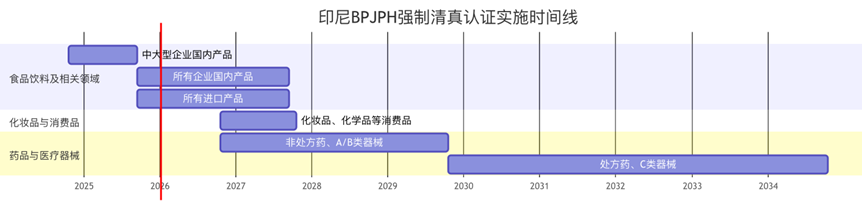
Under Indonesia's Government Regulation No. 42 of 2024 (PERATURAN PEMERINTAH REPUBLIK INDONESIA NOMOR 42 TAHUN 2024): by October 2026, mass consumer goods entering the Indonesian market — fashion apparel, leather goods, footwear and bags, handicrafts and the like — will hear the countdown alarm of mandatory halal certification. Products not certified in time must be labeled 'non-halal' when entering the Indonesian market.
This is Indonesia once again expanding its mandatory halal-certification map after food, cosmetics and pharmaceuticals, meaning halal certification has officially been upgraded from a vertical-industry qualification to a hard access threshold for consumer goods going to Indonesia.
No certification, no market. For enterprises targeting the Indonesian market and deepening their Southeast Asia presence, the time left to prepare is already very limited.
1. Why do apparel and leather consumer goods also need halal certification?
Many enterprises are puzzled: clothes, bags and handicrafts cannot be eaten, so why must they comply with halal regulations?
A common misconception needs correcting: halal compliance has never governed only 'products you ingest,' but the entire product life cycle.
Islamic law's review of consumer goods covers the whole chain — raw-material selection, production and processing, auxiliary additives, and storage and transport — with core review points including:
- whether animal-derived raw materials such as leather and fur were slaughtered and sourced compliantly;
- whether glues, dyes, oils and coating auxiliaries used in production contain banned ingredients such as pork derivatives or alcohol;
- whether production lines, storage warehouses and transport/logistics vehicles are shared with non-halal products, causing cross-contamination;
- whether upstream and downstream suppliers are fully qualified and all materials are traceable throughout.
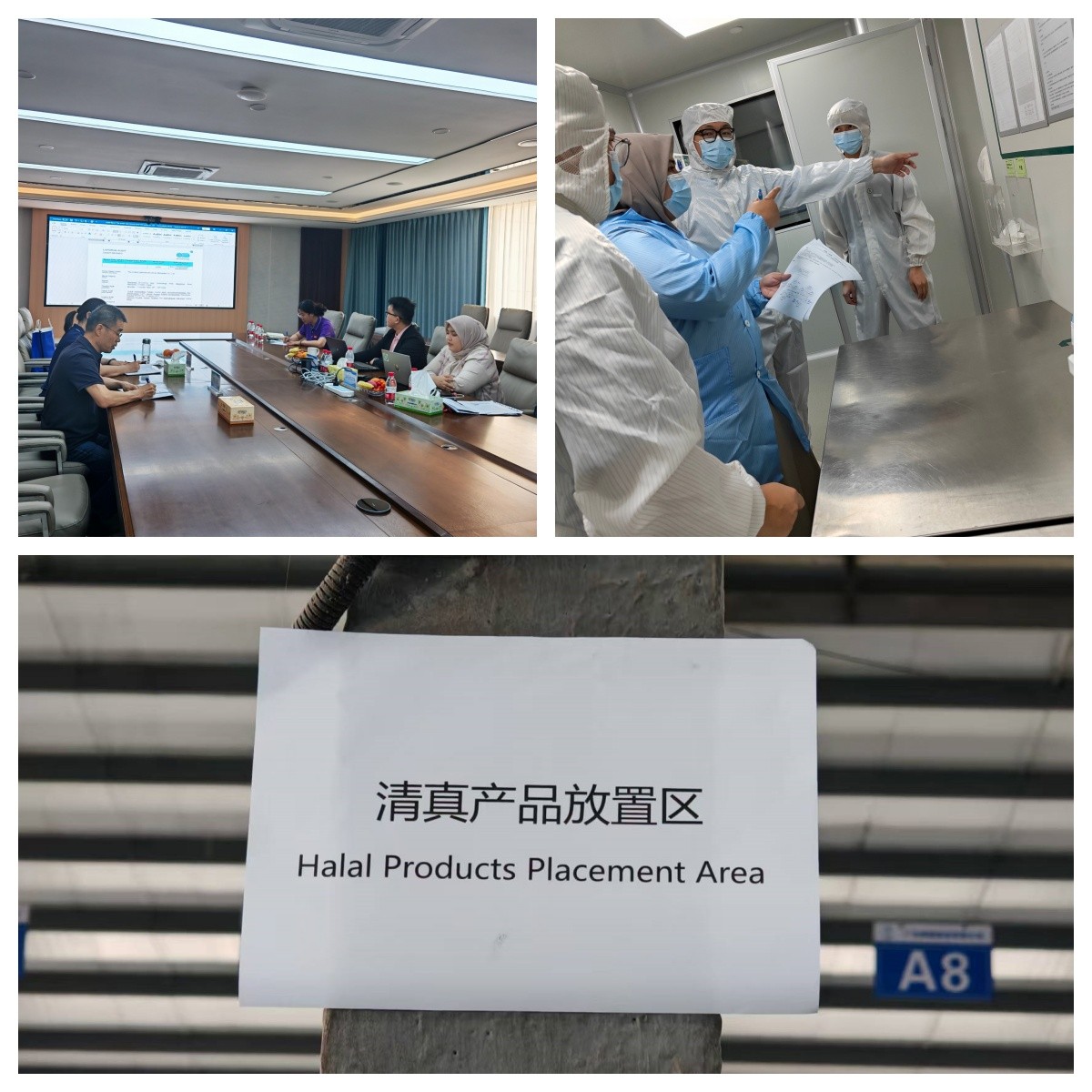
In short: as long as a product's production involves animal-derived materials or chemical auxiliaries, a halal compliance review must be completed — which is the core reason this new policy covers full-category consumer goods.
2. Which enterprises will the new policy directly affect?
The policy is very broad, running through the entire upstream-and-downstream chain. The following five types of enterprise should lay out plans early to avoid going-global risks:
1. End-consumer-goods exporters — manufacturers whose main business is women's and men's apparel, sports footwear and bags, leather goods, jewelry and accessories, homeware and various handicrafts, and who mainly export to Indonesia.
2. Brand owners and traders — brands with no production line of their own, operating on an outsourced/OEM model; brand owners bear supply-chain compliance responsibility, and all their products on sale must be certified.
3. Upstream raw and auxiliary material suppliers — upstream suppliers providing leather and fabrics, textile dyes, special glues, coating materials and special packaging to factories; a foundational link in the compliance review.
4. Indonesia cross-border e-commerce sellers — Indonesian authorities are strengthening oversight of e-commerce platforms, including but not limited to TikTok, Shopee and Tokopedia. Cross-border sellers on these platforms will see the new rules rolled out, and uncertified products will face direct delisting and sales bans.
5. OEM/ODM factories — overseas buyers have gradually incorporated halal certification into procurement criteria; factories that fail to complete compliance upgrades will lose quality overseas orders.
3. Short timeline, strict review — how should enterprises prepare now?
With less than five months until the policy takes effect in October 2026, and after allowing for document review, on-site audit, corrective action and official approval, the actual preparation time is very tight. We suggest enterprises complete their compliance layout in the following five steps:
Step 1: Inventory products and define the certification scope. Sort the full product list, identify categories affected by the new policy (apparel, footwear and bags, leather goods, etc.), and prioritize certification based on material formulas and line layout.
Step 2: Trace auxiliaries and check compliance risks. Focus on high-risk materials — animal-derived raw materials, production glues, dyeing auxiliaries, surface-treatment oils — and obtain ingredient reports and compliance proofs from upstream and downstream suppliers to eliminate risk at the source.
Step 3: Build a dedicated halal management system. Halal certification is not a single certificate but a long-term management system. Enterprises need to complete procurement controls, production isolation, storage zoning, dedicated logistics, staff training and internal audit.
Step 4: Engage a professional certification body. Review standards and document requirements differ considerably by consumer-goods category. It is advisable to consult a compliance service provider in advance to clarify the full BPJPH certification process, fee schedule and review cycle, and tailor a suitable plan.
Step 5: File off-peak and reserve time for corrections. As the policy nears, there will be a large-scale rush of enterprises filing and queuing for review. Filing early avoids congestion and reserves ample time for corrections.
4. Compliance is a baseline — and an opportunity to seize a blue ocean
Admittedly, mandatory halal certification will raise enterprises' production and operating costs in the short term, but from a long-term going-global strategy it is a highly cost-effective investment.
Indonesia has a population of over 280 million and is the world's most populous Muslim country, with a huge consumer market. At the same time, the Indonesian government is going all out to become a global halal-industry center by 2028, and local consumers' preference for and trust in halal-compliant products far exceed those for ordinary products.
Obtaining BPJPH halal certification brings enterprises dual value:
Meeting official regulatory requirements, opening the channel into the Indonesian market, and avoiding customs and delisting risks;
Creating a differentiated product label, raising brand premium, and radiating to Muslim markets such as Malaysia, the Middle East and North Africa.
5. Final thoughts: don't wait passively — laying out early is the way
Every industry policy change eliminates the wait-and-see and rewards the first movers.
The October 2026 mandatory-certification policy may seem to leave a buffer, but for halal certification — with its complex supply chain and strict review process — the countdown has already begun.
Waiting until the policy formally takes effect to start filing will only trap enterprises in passive queuing, emergency corrections and lost orders. Rather than complying passively, it is better to lay out proactively — completing product assessment, system building, factory audit and certificate filing in one stop, to steadily seize the Southeast Asia consumer-goods going-global dividend.
Indonesia's 2026 halal policy is here — are you ready?
FAQ
- Why do apparel and leather consumer goods exported to Indonesia also need halal certification?
- Under Indonesia's Government Regulation No. 42 of 2024, by October 2026 mass consumer goods entering the Indonesian market — fashion apparel, leather goods, footwear and bags, handicrafts and the like — will face mandatory halal certification, and products not certified in time must be labeled 'non-halal.' This is Indonesia expanding its mandatory halal-certification map again after food, cosmetics and pharmaceuticals. Apparel and leather also need certification because halal compliance governs not just 'products you ingest' but the entire product life cycle: Islamic law's review of consumer goods covers raw-material selection, production, auxiliary additives, and storage and transport. Core review points include whether animal-derived materials such as leather and fur were slaughtered and sourced compliantly; whether glues, dyes, oils and coating auxiliaries contain banned ingredients such as pork derivatives or alcohol; whether production lines, warehouses and transport vehicles are shared with non-halal products, causing cross-contamination; and whether upstream and downstream suppliers are fully qualified and all materials are traceable. In short, any product whose production involves animal-derived materials or chemical auxiliaries must complete a halal compliance review.
- Which types of enterprises are directly affected by Indonesia's consumer-goods halal certification policy?
- The policy is broad and runs through the whole supply chain; five types of enterprise should prepare early: (1) end-consumer-goods exporters (manufacturers of women's and men's apparel, sports footwear and bags, leather goods, jewelry and accessories, homeware and handicrafts mainly exporting to Indonesia); (2) brand owners and traders (brands operating on an outsourced/OEM model bear supply-chain compliance responsibility, and their products on sale must all be certified); (3) upstream raw and auxiliary material suppliers (providing leather, fabrics, textile dyes, special glues, coating materials and special packaging); (4) Indonesia cross-border e-commerce sellers (on platforms such as TikTok, Shopee and Tokopedia, where uncertified products will face delisting and sales bans as platforms align with the new rules); and (5) OEM/ODM factories (overseas buyers have gradually made halal certification a procurement criterion, and factories that fail to upgrade compliance will lose quality overseas orders).